I’m writing kind of early this Saturday but it’s hard to sleep in with puppies.
An hour and a half ago I was determined I would write about the emotional pain associated with the Fourth of July. Independence Day was something I celebrated with great joy as a child but the holiday lost its magic when my friend Bart Carroll was murdered on July 4, 2002. Thankfully I still have strong happy memories associated with the holiday but losing him changed the trajectory of my life. As one of the first loves of my life he left an impression on my heart that was strong enough to inspire me to serve, to finish his mission.
I’ve experienced so much in the fifteen years he’s been gone but like everyone else he touched we tend to think about what he didn’t experience. He didn’t get to marry. He didn’t get the joy of bringing children into his life. He didn’t get to serve in Iraq, as was his desire. I don’t know what dreams he had for himself that composed a bucket list that will never be complete.
After he died, I thought I would at least enjoy fireworks as a means to find peace with his loss. My heart clung to this notion the celebratory fireworks would give me solace and a tiny bit of happiness on a day that was tarnished.
Now that fireworks remind me of mortar attacks and more specifically the day Captain Brock was hit by indirect fire I hate this time of year even more. I can’t even say it’s just the Fourth that bothers me, certainly it’s not my friend, but the days surrounding the holiday get to be my demons, too.
Consumer use of fireworks is permitted from June 24th to July 6th. For someone who doesn’t suffer anxiety around fireworks the time period is awesome. I have thirteen days of wondering and worrying fireworks will disrupt my ability to fall and stay asleep. It’s that feeling of being back in Iraq the day Captain Brock was hit. I feel a sense of powerlessness I don’t like and have to work through because it’s not like I have any guarantee on what days and times my neighbors will use fireworks. I also don’t feel free to go out at night for a walk or dining out, which is a whole other matter. My daughter is getting to an age where she likes fireworks, too, and I am not ready to take her to any public display nor do I buy fireworks to use in the neighborhood so she gets this childhood experience.
This year is only the third Fourth of July fireworks season for me in Gilbert. This season I am (hopefully) a bit more prepared than years past. In 2015, there was zero preparation; I was thrown into a bit of hell only rivaled by New Year’s Eve fireworks. I didn’t realize how much people love using fireworks in the neighborhood over checking out public displays. (Public fireworks displays made life easier in Wyoming and I only experienced a small amount of fireworks with my sister-in-law and her family there.) Last year on the Fourth of July, my husband and I went out to dinner and walked over afterwards to the movie theater. I had some fireworks startle me on my walk over so I needed a few minutes to compose myself before rejoining my husband for the movie. This year will be very different for me.
The Town of Gilbert and a local fireworks company are keeping me notified of different public displays and for the first time here, I am venturing out with my husband to have an outing with friends in Phoenix. I already warned the group I tend to experience panic attacks around fireworks so they’re prepared as well! We started discussing a Fourth of July get together during Memorial Day weekend so I’ve had time to wrap my mind around the idea of how to handle the situation if I have a panic attack around new friends. Up until this point, my husband has been the only person (thankfully) to see me suffer through a panic attack and it’s hard to know other people might see me when I am that vulnerable.
As I tiptoe into social outings, I am taking baby steps (as I would encourage any other person who struggles with fireworks). I was informed I should be able to see the fireworks where we will be without the overwhelming sound/sensation of the explosions. I haven’t set up a specific amount of time I’ll stay out. I don’t know how I’ll feel until I’m out and around everyone while being exposed to fireworks. However, I’ve planned accordingly to have a safe outing as much as possible within my control.
One last thing. This time of year as well, I implore my fellow Americans to also be respectful to our refugee population knowing many of them, like a number of our veterans, have also dealt with explosions that jeopardized their safety and the safety of their loved ones. Too often these men, women, and children are not seen as also needing social support but we need to empathize with their situations. A number of them have lived through war and conflict longer than many of our nation’s war veterans and yet their needs are underrepresented in the media. Fireworks may also remind them of painful experiences in their past.
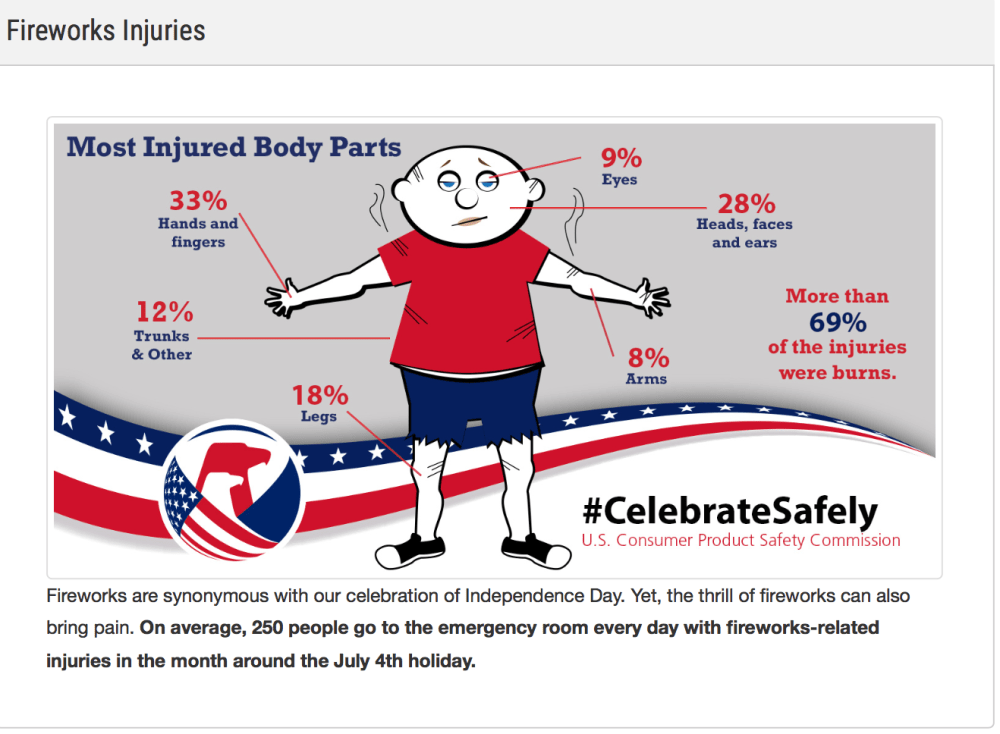
Ok…so I guess I do have one last thing. If you are going to use fireworks this time of year, please stay safe. Use fireworks responsibility to prevent injury to yourself and to others enjoying your celebration.
Image is from the US Consumer Product Safety Commission Fireworks Information Center
Relationships don’t always last, especially when you serve in the military.
I didn’t think too much of this reality when I was a kid watching my dad’s relationship with my mom. He had a failed significant partnership before with the mother of his son and my mother ended her marriage to my biological father despite having three kids to support. (Her and my dad later had a child together.) Their partnership was something I always wanted for myself. It was easy to not focus on their arguments but the playful way they supported each other.
One of my fondest memories is seeing how he wrote “D” on the envelopes of all the cards he gave her; I loved how instead of writing her full name, he left an impact with the simple ‘D’ for Dawn.
As kids we don’t always see the struggles our parents have in their partnerships and certainly, it’s hard to see how military service (and frequent separations) can place greater demands on a married couple. My mother divorced my biological father who served in the Navy and not surprisingly, she found another sailor who made her happy and became the last love of her life. I am my mother this way; I wasn’t intentionally drawn to guys in uniform but my proximity to them made them my them my preferred partner options. That sounds silly, doesn’t it? However, it’s not like any of us go to great lengths to scour this earth for a partner.
We tend to find people who naturally come across our path. When I served, I did not set out to ‘find a man’ but to find a purpose in my life following a journey started by my friend, Barton Carroll. I knew I might find someone to date over time but that was a normal life experience, and I thought I could retain some control and privacy over that area in my life. I thought anything shared with my work family would be of my choosing, not that my work family would choose what was their business as it related to my personal life.
It was easy to see early on during my short Marine Corps career dating was a tricky area. I could not date and have my partnership be a private matter. To this day, it bothers me that my privacy was not respected. I was eager to separate my dating life from my work life but others would not permit to go unnoticed; it’s funny too because people often thing women are full of drama but I found men are just as bad, sometimes worse. The transition from dating into exploring marriage was also under scrutiny.
I naively thought my command would be respectful of my decision to get married, but I was subject to stories of their marriage trouble. These tales were not woven from hearts guided by leadership to encourage me to think wisely about the promises I entered into but instead tales of insecurity spoken without any real purpose. These men were taking a moment (a really inappropriate moment) to bitch about their wives.
In my opinion, it’s ok that not everyone gets married. If the “leaders” at my second unit were a bit more mature at the point they decided to get married, I don’t think they would have shared the same stories with me years later in 2006 when I married my husband. Instead, I think they would have focused on the values to keep in mind for good and bad days because we all have them.
Not too long ago I was happy to find some important advice as it relates to partnerships in Stephen Covey’s The Seven Habits of Highly Effective People. He describes love as a verb and a feeling. I’ve never hear someone describe it as such before and his poetic explanation is something I hope to remember often.
“Proactive people make love a verb. Love is something you do…[l]ove is a value that is actualized through loving actions” (p. 80).
Looking back, I was quite frustrated trying to figure out why I was more serious about my relationships than my partners. Back then, I thought dating could be simple. I love you, you love me. I thought I could be the perfect partner by not being like the “last girl”, the woman who left and essentially “took it all.” I recognized we all bring some emotional baggage into our partnerships but I thought that we could treat the baggage as just a conversation piece, like a note you unfold and toss when no longer necessary. I did not realize how often it was more tangible, like real luggage that occupies physical space and requires energy to move around into a more convenient location in someone’s life. Like you move luggage from the hallway to the closet so you don’t trip on it all the time.
As a child, I did not see my parents’ emotional baggage. I didn’t know how hard it was for my dad to not develop a strong relationship with his son because his ex was spurned. I didn’t know how much my biological father disappointed my mother. Instead, I saw their marriage dotted with overt sentimentality. I could see the gifts and hugs but I did not see the difficult conversations, especially those brought on by the difficult landscape of a military career.
My husband and I also traversed similarly difficult landscape. Early in our marriage, I thought sharing the same branch of service and MOS tidied up the landscape for us. We could bond over the fun parts of the Corps (seriously, the Marine Corps birthday is the best!) and complain about the same things like how ridiculous it is to have your room inspected EVERY. SINGLE. WEEK. (We did not yet experience what it was like for both of us to have deployments.) Unlike many of our peers, we did not come into our relationship with children from past relationships and I also felt this ‘freedom’ provided us an opportunity to take directions in our partnership not always accessible to those who must share custody with former partners. I speak very much from personal experience when I say it’s not difficult to love someone who bore children with someone else. It’s just a giant pain in the ass to know there are restrictions when that person must share custody and be less biographically available to take new opportunities.
To people who don’t know me well it will sound strange to say early on in my partnership my husband and I decided it would be best for the longevity of our partnership for me to take the chance and switch units. Junior personnel took personal offense to our partnership, despite the fact they felt if roles were reversed it would be “no big deal.” We felt our relationship would be under less scrutiny if we did not work together. When the opportunity to work elsewhere came along we took decisive steps to guarantee a personal change of duty station and along the way got tugged between the new unit indicating I would and later would not be deploying to Iraq. (I ended up deploying anyway after we were pretty happy with the notion of not deploying. C’est la vie!).
Unlike previous relationships, I learned quickly a business-like tenacity was required and he was either onboard or wasn’t and because I had been disappointed before, I was more blunt than I’ve probably been with anyone else. I wasn’t looking for someone to fulfill me. That just wasn’t happening in my life. I would make some over-the-top effort to show someone he was appreciated and each effort ended terribly with me feeling like I wasn’t worth being loved, otherwise why would those people rebuff me the way they had? Instead, I looked for something else. I wanted to go out and have a good time. I looked for something simple. I wanted us to split the cost of the experiences we shared together. Maybe it’s weird to say I set ground rules (because I didn’t) but for probably the first time I made sure we approached decision making together.
Many of the decisions were quite mundane but I wanted to know I would be ok if he left. I would be ok if it didn’t work out. I didn’t want the situation to be too risky and then feel blindsided when/if he became risk adverse about the future. I would still have a path to follow if my ‘business partner’ left the partnership. Certainly, there is a way that I loved with complete abandon that was part of my past MO that I struggle to bring back, to offer to my husband.
I see that attitude in how I talk with certain girl and guy friends. It’s often confused for romantic interest or conveys to people a friendship longer than our true investment in each other. It’s never intentional to exclude my husband from that carefree/barriers down/adventurous spirit I possess but I know with others I don’t have the same responsibilities. For this reason, there are many times I slip into this mindset without thinking of it at all; I just jump in wherever we last left off until we have to unfortunately say goodbye again. They can love and hate me all in the same week and we won’t be stuck seeing each other late at night when either one of us is at our ugliest throwing up from the flu and someone needs to buy crackers and ginger ale. I won’t be sitting across from them waiting for support when my daughter pushes my buttons one too many times and an unfortunate swear word slips too easily off my tongue and I’ve hurt her feelings. I don’t need my friends to rescue me from those moments but I definitely need them from my spouse.
Tomorrow is my 11th wedding anniversary (Ok, like 10 minutes from right now since it’s 11:50pm) which is why I’ve felt it crucial to talk from a real perspective. No person is perfect. No marriage is perfect. Just because I don’t lay bear every mistake I’ve ever made does not mean I do not make bad decisions or have a carefree life. Society often crafts a message that marriage should be this blissful experience ALWAYS. The message gets warped further that the other person should love us and risk everything because that’s what love really is, after all. Not quite. These tainted messages make us think that a good marriage is out-of-reach or that marriage is the epitome of happiness. I know plenty of people who are happy without being married to their partners and others who, in spite of arguing all the time, truly enjoy each other’s company.
My husband’s job is to help me accomplish my goals as my responsibility is to help him accomplish his dreams; it’s not that either person has a greater right to having their needs met but that we equally work towards shared goals, particularly financial stability and personal satisfaction. We won’t equally bring in the same paycheck nor will be always be on the same success trajectory with our careers, but we can support each other during transition points. We have a lot of work probably for the duration of our lives based on the deployment stress we encountered but we talk about those things just like we also talk about fun stuff (vacations, extra money, etc.). To the people who didn’t want to jump in a long term endeavor with me, I am fairly certain they will (or have) found out the same things I did.
Compromise and sacrifice make marriage work and also make work of marriage.
Have you ever dreamt about losing teeth? I mean, really losing teeth?!
For a number of years, I frequently experienced nightmares about losing lots of teeth all at the same time. It wasn’t just teeth simply falling out but looking at my face seeing bloody gums and teeth coming out in handfuls. Most of the time, it was like I had rows of teeth like sharks do; I would freak out in the dream watching these teeth falling into my hands. Those dreams are a big part of why I am creeped out when little kids lose their teeth. I am the kind of person who is disgusted seeing kids with big gaping holes where teeth should be. Blah. (My daughter’s only lost a few teeth but I am not looking forward to when she is missing two or three teeth in a row.)
After beginning my graduate degree in 2014, my dreams shifted. I started to experience nightmares around midterms and finals. This change started my first semester in graduate school and instead of teeth falling out, my nightmares focused on military service. I am not surprised. I was working full-time with active duty personnel, veterans, and their family members while studying issues tied to military and veteran communities. The last nightmare I recall occurred after graduating last spring. When I am particularly stressed though I still dream about being back in the Marine Corps.
Last night I had one of those dreams.
It wasn’t complicated or anything. I knew I was back in Iraq and I was showing a fellow Marine how to inspect her gas mask. The only “conversation” I remember is reminding her (like you have to do with people in general) that the gas mask carrier is not to meant to store other things (extra rounds, food, etc.). It may sound silly but people will do it. In the dream I was stressed knowing my daughter was missing me; she’s never been away from me for very long and it was difficult to know my departure caused her grief.
Today has been a difficult day as I’ve had on and off again chest pains. I find when I dream about being back in the Marine Corps, chest pains often become part of the daily packaged experience. I struggle at times to stay focused when the chest pains last for a long duration. Today the pains felt like someone kneeling repeatedly on my chest, like it “normally” does for longer episodes of chest pains. When I experience the shorter pains, it tends to feel like a stabbing pain. Those types of pains were more typical the first few years after my chest pains began. (The pain today didn’t dimish significantly until after lunch today and started shortly after 8 am.)
For the most part, I tend to listen to music to keep my focus when I know the chest pains aren’t going away. I like listening to music anyways while I am working so it’s nice to be in a position where I am not frowned upon to be “distracted.” I am also not interrupted in my work the way I was in my past student facing position so it’s becoming easier to listen to multiple playlists throughout my day. (Yeah!!!)
My musical tastes are somewhat sporadic and typically I’ll listen to some country, pop, and rock throughout the day. I’ll jump from country to pop to rock depending on what I’m feeling with the songs. If I need to calm down I’ll find some good country songs. When I need some energy I’ll listen to pop songs and when I need to feel like I can accomplish anything, I definitely listen to rock. Haha.
—————————————————————————————————————————————–
Today’s songs included:
Last Call (LeAnn Womack)
The Way I Feel (12 Stones)
I Wonder (Kellie Pickler)
Room to Breathe (You Me At Six)
The Heart Won’t Lie (Reba McEntire and Vince Gill)
Angels Fall (Breaking Benjamin)
We Are Tonight (Billy Currington)
Erase My Scars (Evans Blue)
That Don’t Sound Like You (Lee Brice)
Stories (Trapt)
Beautiful Disaster (Kelly Clarkson)
—————————————————————————————————————————————–
I know the likely source of my current stress is upcoming fireworks, namely consumer use of fireworks. Starting on June 24th, my fellow neighbors are permitted to use fireworks and can use them until July 6th, and I know from past experience plenty will use the illegal mortar tubes ones. The $1,000 possible fines are not enough of a deterrent to keep people from using them.
The good news is I have another coping tool in my toolbox this year. While I cannot determine when my neighbors will use fireworks, I now know when permitted public fireworks displays will occur in my local area. I didn’t know this notification was possible until I was startled by a public display in late May and reached out to the Town of Gilbert’s Fire Department on the matter. From there, I was connected with the main fireworks company so I could get on their notification list and the Fire Department notifies me when other companies have fireworks displays around my home.
I would encourage other veterans who experience anxiety and panic attacks as a result of fireworks displays to see if their municipality also offers a similar service.
Fingers crossed I don’t have any more chest pains tonight or dreams about being back in the Corps. That’s all I need for a good Friday night.
I was quite eager to do a “2007 versus 2017” series post and I had the fun surprise of looking back into my old journal entries only to discover I didn’t write a single post in June 2007!
I will give you a comparable 2007 versus 2017 substitute.
I have a good entry from May 2007 about my feelings regarding leaving the Marine Corps. The timing works well because I started my new position in higher education. I still work serving a military affiliated student population but I made the dramatic shift from being student facing to a non student facing opportunity. Last week was my first week in my new role and I am just floored by the welcoming company culture. As a veteran, I do find I get somewhat skittish that I’ll be judged for my visible tattoo (although I frequently wear long sleeves since office environments tend to be colder than I like), my preference for ponytails versus fully done up hair, and my sporadic use of makeup.
Society judges women heavily and it hasn’t seemed to matter at what age or in what industry. The rules are written and unwritten. The looks for stepping outside those “norms” feel the same. Any time I’ve changed my working environment I question what will my peer treatment look like, what will my supervisor’s rules look like, and what infringement will the company place on my personal expression. My desire to be more myself was a key part of leaving the Marine Corps. Over the years, I’ve come to see pushing and prodding to adhere to desired female beauty standards and thankfully last week I was rewarded by the visual confirmation my new company permits a lot of personal expression. Some female peers have full sleeve tattoos, others enjoy wearing shorts and jeans (as permitted by their departments), and makeup is worn from the slight touch of lip color and mascara to a fully done face with false lashes.
I feel more at home than I expected I would as a new employee. I am quite happy and I feel once I get the hang of my work responsibilities this happiness will only magnify. I don’t feel like the lost person I felt I was in May 2007.
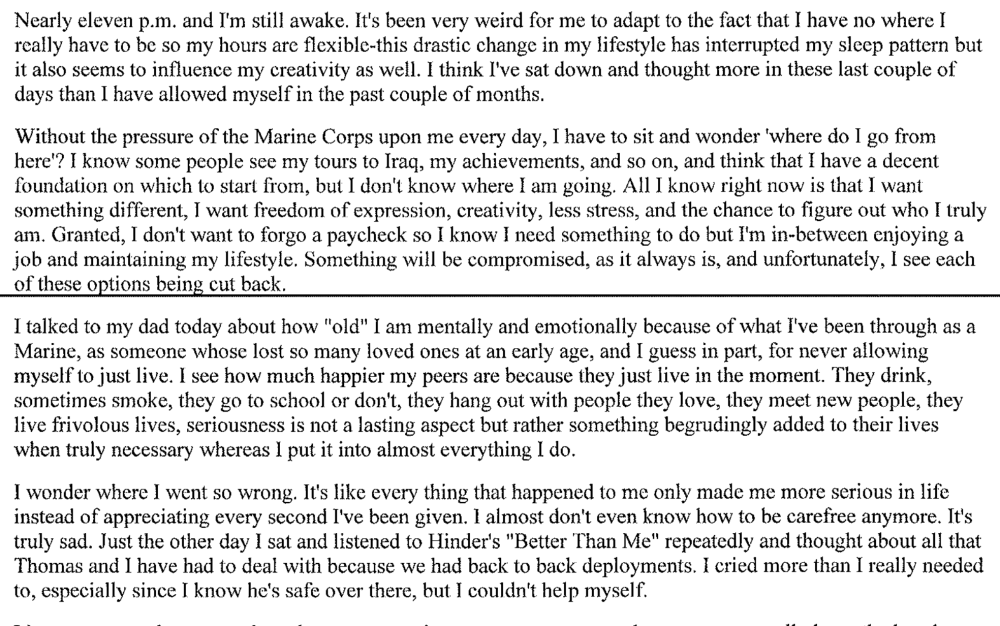
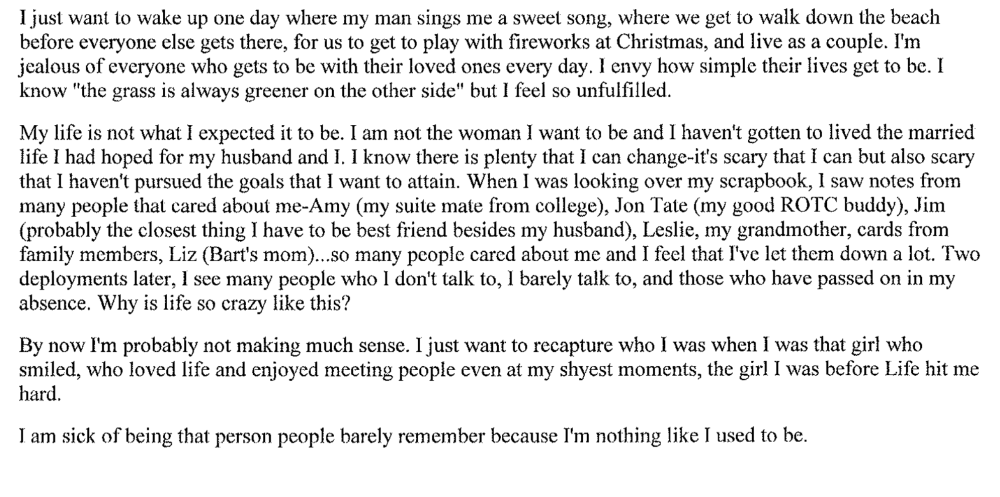
Below is one of two entries I wrote for May 23, 2007. I am not sharing the earlier one as I included some personally identifying information for family friends and I don’t want to worry about anyone having that person’s address. (By the way, anyone who knows how I feel about fireworks might laugh that back then I still thought I’d enjoy them!)
In the past couple of weeks I’ve thought repeatedly about bringing up the upcoming movie, Megan Leavey. She is a Marine veteran who served as a dog handler and completed two tours in Iraq. The Hollywood Reporter has a good article about the film and the “Got Your Six” approval. As someone who desires to see female service stories elevated, her story being shown on film makes me incredibly happy. The difficulty of her situation, being injured in Iraq, is a key factor in why I’ve debated mentioning the movie. I want to see it, but I don’t want to see it in the movie theater. I feel awkward in mentioning how much I want others to see it when it can be interpreted wrong that I am making the choice to not see it at the same time it comes out in theaters on June 9th.
June 9th already is not a good day for me. It’s the anniversary of my mother’s death. I lost her to lung cancer when I was 16 and I know all these years later I still hate this day. I hate this day because I didn’t know my mother was dying and I was surprised coming home the last day of my sophomore year to be greeted on the front steps of my home by my extended family. They told me I had to say goodbye to my mom. As I write this news to you, I am overcome with tears. I don’t like going back to that moment as a teenager knowing I am powerless to stop her leaving, knowing that now as a grown woman I cannot reach out to her for support and guidance. It’s been 17 years and yet I can still crawl back into my teenage skin, feeling the warmth of that day break as I crossed the threshold into my home knowing that was the last day we had together. I cannot bring a second burden into that day for my personal wellbeing.
War movies and shows are difficult for me. I’ve only attempted to watch Saving Private Ryan once. I couldn’t get past the beach scene in the beginning. I’ve never seen Lone Survivor or American Sniper. After much convincing from my husband that the series was balanced between combat action and Marine Corps culture and relatable experiences, I agreed to watch Generation Kill. (I am impressed with Generation Kill as an educational tool about the Iraq war although there are scenes which stress me out because I know similar incidents happened in the Al Anbar province during my first Iraq deployment.) The movie, Fort Bliss, I watched at home and watching the moment where a suicide bomber attack was bound to happen (and did happen in the film) evoked anxiety in me. I stopped the movie, and waited until I felt comfortable again to finish watching everything afterwards. In watching The Pacific and Band of Brothers I am comforted by the fact it’s not the same war I was in, but the indirect fire attacks in these bother me the same way as when I watch such attacks featured in more current shows and films.
If I watched that film in the movie theater I think I would find myself to be a mess. I don’t trust my ability to sit down in a theater and watch and feel an explosion in surround sound. I don’t want to endure a panic attack, generally speaking. I don’t want to have a panic attack next to a complete stranger and freak that person out. I don’t want to spend $10.50 for a movie ticket to find myself leaving before the film is over. I don’t care that the film is rated PG-13, versus rated R; the explosion in the film, as I’ve seen in trailer, is something I cannot imagine feeling in the movie theater without finding it upsetting.
I want to see the movie and I want to discuss the valuable elements: female representation, realistic portrayal of military service, construction of the combat theater, and the experience of coming home. I can do these things, if I watch the movie in an environment that’s comfortable to me. I will watch the movie at home when it becomes available; this way I can stop the movie when I need to but still have an opportunity to critic the film.
As always, thanks for your patience.
I like sharing what’s going on as it relates to the veteran community. Please check out the film when it comes out and I’ll join the conversation again after watching it in the privacy of my home.
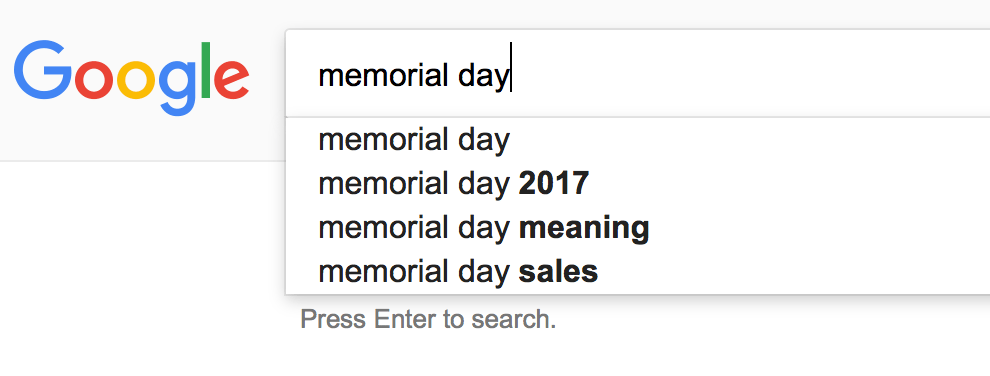
Memorial Day is a holiday I dread. The Google snapshot will probably give you a bit of a clue as to why:
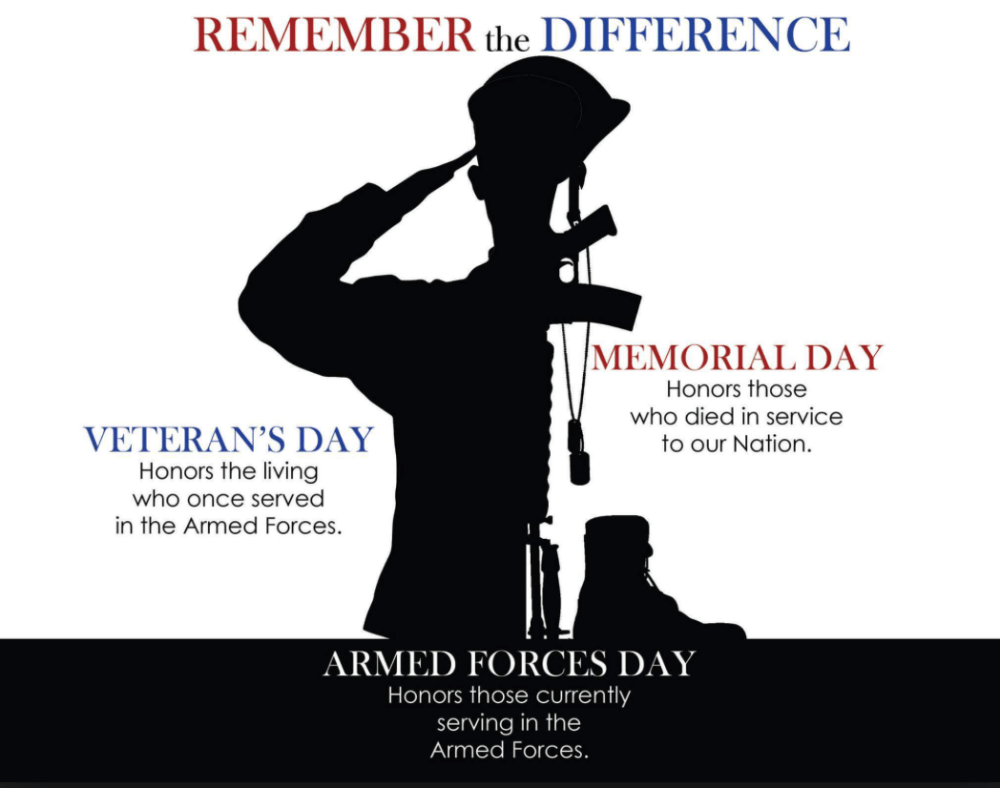
Memorial Day is a holiday that very much, in my opinion, divides this nation. We have the supporters that recognize the holiday represents a moment to honor the loss of human beings who died while serving this nation. The second group enjoys the holiday as the dividing mark that summer is here and sales are to be enjoyed. This dichotomy was captured quite well in an article I found this morning, How Memorial Day Went From Somber Occasion to Summer Celebration. Not mentioned in the article, but also of great importance, is the reality as more and more people forget this time as a means to remember the sacrifice of our nation’s deceased service members veterans and currently serving military personnel are being thanked for their service.
This image, floating around social media, gets right to the point. There IS a difference!
I definitely cringe when I see veterans being thanked for their service on Memorial Day.
It is also equally awkward for me when I’m told, “Happy Memorial Day!”
I know it’s said with the best intentions but for me, I experienced our unit losing one of our own. I have not corrected those closest to me who make this mistake but as they get a better sense of my first deployment we tiptoe into this area of what means what and why certain things are important.
My unit held an in-country memorial service for Captain Sean Brock who died as a result of his injuries on February 2, 2005.
To me, Memorial Day will never be about the start of summer. To me, Memorial Day will never be about the sales.
On this day, I wonder how his family is doing. I will go about my day doing quiet activities with my own family but I will wonder how his siblings, parents, and widow are holding up. I will (and always will) want them to know he was cared for by our command. He was respected. His sacrifice does not deserve to go unnoticed because the meaning of this holiday gets muddled by society’s focus on attributing other meanings upon this particular day.
Those of us in the camp staying true to the original purpose behind today do not ask for much. Take a moment for those we lost. That’s it. A simple moment of silence to pay respect for every person who served and died for this nation.
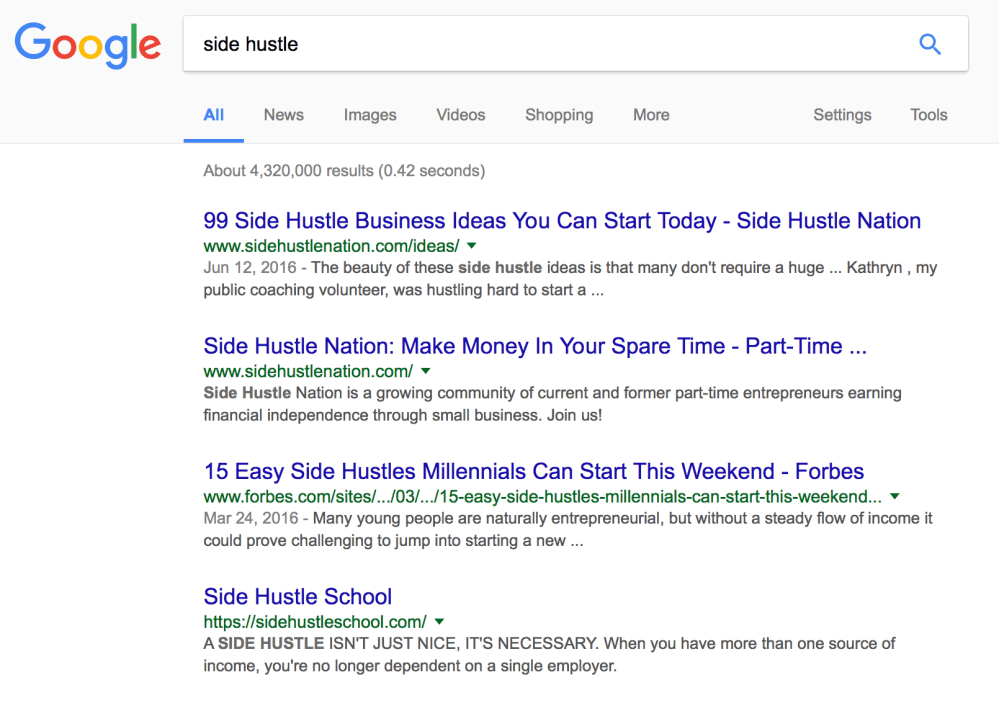
In probably the last year or two I’ve started to recognize the term “side hustle” on a number of the sites I frequent. It’s become quite popular, in fact.
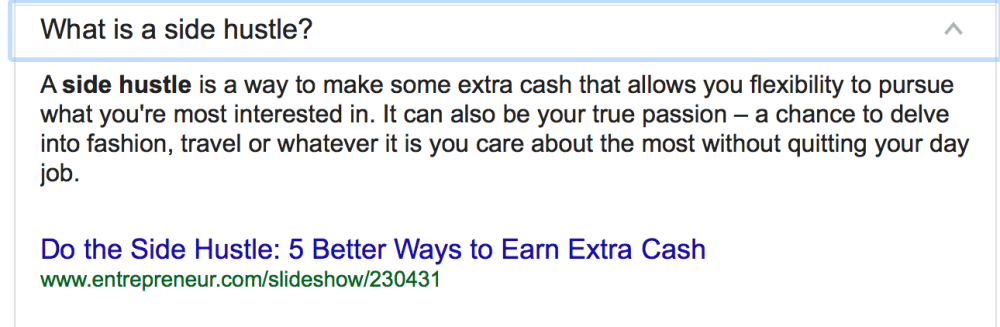
So what exactly are we talking about when we say ‘side hustle’?
A side hustle is a fancy term for a [insert whatever amount of time commitment] job. My top frustration with the talk of a ‘side hustle’ is how it’s being toted, in some places, as an easy commitment of your time to make additional money. I think this misunderstanding drives a lot of people away from the idea of taking on additional work because they think it must be boring, unskilled tasks that no one would otherwise want to take on for ‘real work.’ (Note: Again, not everyone sells a side hustle as this sort of labor, but I see it and I’m sure I’m not the only one.)
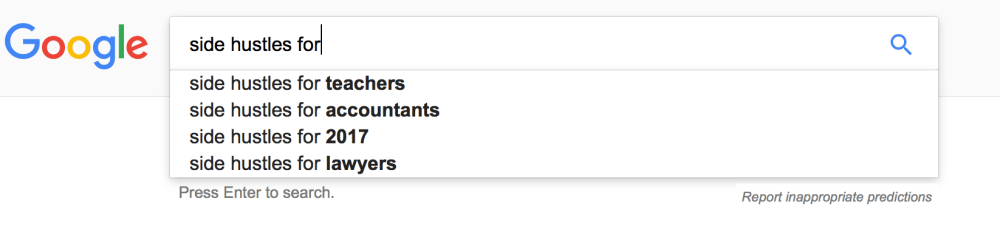
There are some stories of pretty great side hustles. The ones I notice most are when people take on a side job that interests them (writing, baking, etc.). There also doesn’t seem to be a limit on available side job opportunities. If you are lost for ideas you can do what I did and Google “Side jobs for [insert an interest, profession, or skill].”
If you need or want to make extra money, opportunities are out there but it will take a commitment of your time and energy.
Yesterday, I spoke about my relatively low income and how it’s become more of a frustration for me. Like Erin Lowry and her article How I Went From Making $23K to $100K in Just 4 YearsI, too, get sick of scrapping by. For this reason, I wanted to share the end results of my “side hustle” aka getting paid to go to school to compensate for the low pay at my current position. However, before delving into my current finances, I know it helps to share my background as well. Different areas of employment offer different incentives and pay; those occupations also require different educational backgrounds and skills. These factors cannot be overlooked in any conversation regarding money.
2003 to 2007: United States Marine Corps
I’m using numbers from the DFAS website as I cannot get Marine Online to view my historical pay and I no longer have the bank accounts I had back then. There are numerous allowances one can receive: basic allowance for subsistence, basic allowance for housing, clothing allowance, hazardous duty pay, etc. which is why I just wanted to focus on just basic pay numbers.
2003 E-1 w/less than 4 months of service= $1,064.70/month
Joined in July: Approximate basic pay for 5.5 months $5,855.85
2007 E-4 over 3 years of service=$1,883.10/month
Left the Marine Corps in July: Approximate pay for 6.5 $12,240.50
2007-2009: Kay Jewelers
$10.50 an hour/typical hours worked: 30
Annual pay $16,000
2011: Unpaid internship with the Naval Criminal Investigative Service
$0.00 (16 hour a week commitment/10 weeks)
2013: Working for Public Health
$48,942 is the listed annual salary
I worked there for 6 months so my salary was $24,471 (40 hr week commitment)
2013-2017: Working at a 4-yr Institution of Higher Learning
2013 ($15.63 hour/$32,500 annual)
Approximate 2 months worked=$5,000
1st pay increase ($15.94 hour/$33,155 annual)
2nd pay increase ($16.31 hour/$33,924 annual)
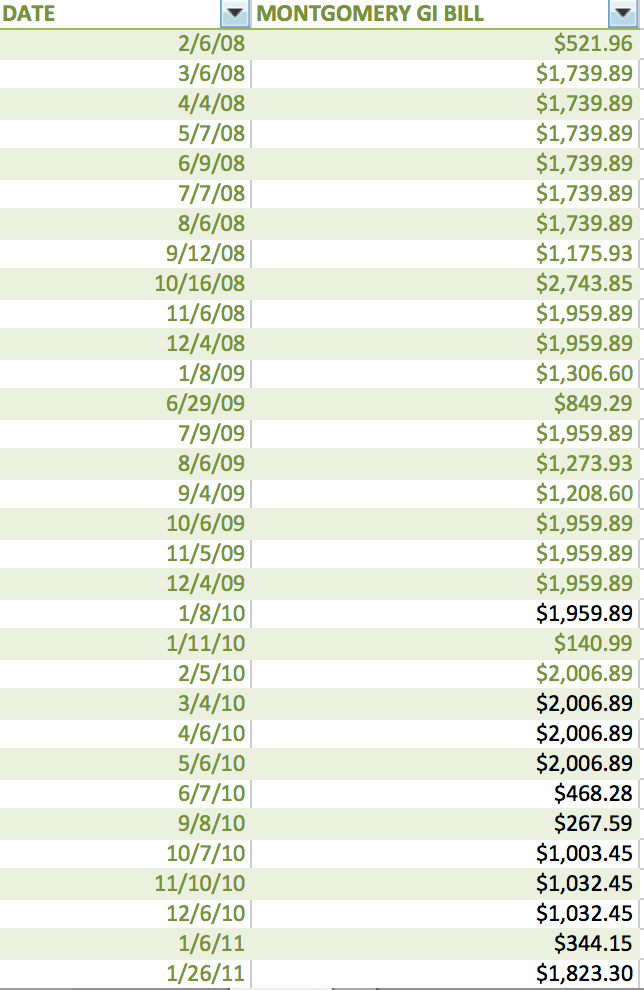
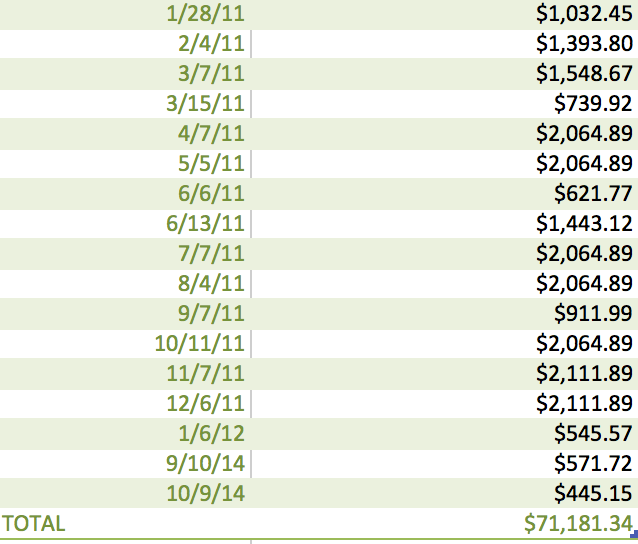
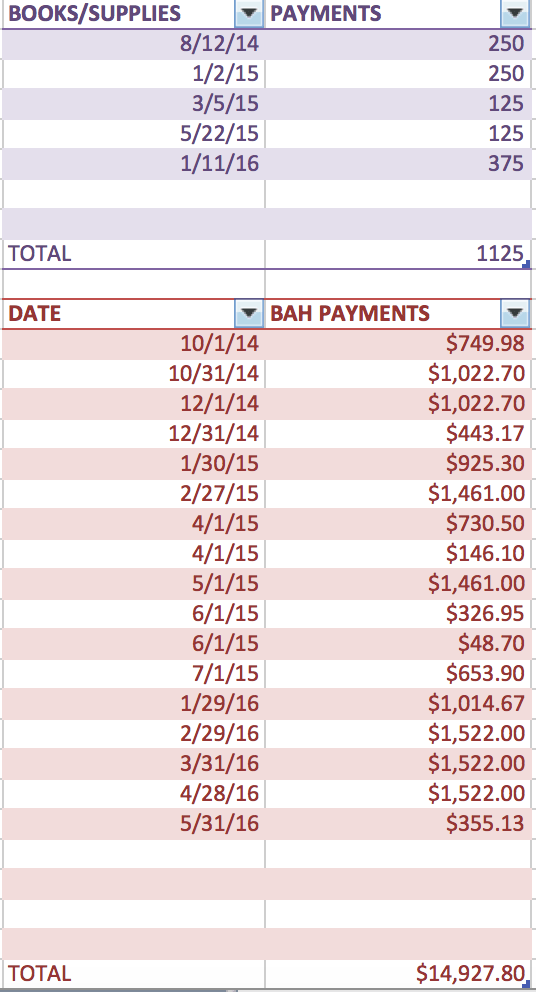
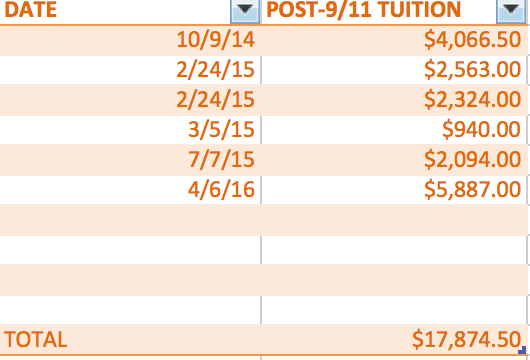
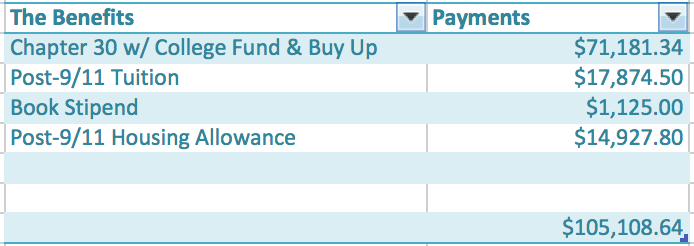
As you can see my pay has not been substantial. My side hustle of using GI Bill benefits, by comparison, has greatly provided for my family and I. Below are the numbers from my direct payments. I received 36 months of the Montgomery GI Bill that was enhanced by paying into the $600 Buy Up program and having the Marine Corps College Fund. I’ve also already received most of my 12 months of the Post-9/11 GI Bill.
It’s important to keep in mind the Montgomery GI Bill is paid to students and students still make their tuition payments to their respective institutions. The Post-9/11 GI Bill pays out tuition and fees, a book stipend, and a housing allowance for eligible persons. Percentages vary from 40% to 100%. (By the way, if I made a mistake about the two January 2011 payments my apologies. I cannot open up eBenefits to ensure I didn’t make a transcribing error when I downloaded information from the site and entered it into Excel. It’s quite a long time ago and I no longer have the same bank account my GI Bill benefits went to at that time.)
My Post-9/11 GI Bill provided greatly for me. The amount of housing I’ve received alone make a monumental difference in allowing me to stay in my current place of employment as long as I have.
The amount paid to Arizona State University is as follows:
To make it easier to consume together, here’s my significant “side hustle” from 2008 to 2012 and 2014 to 2016.
The reason I’m ok calling my education a side hustle is there are plenty of service members and veterans who end up not using their GI Bill entitlement. It’s the same thing from a payment perspective as not taking any other sort of odd job you are qualified to do but choose not to do. You are not taking advantageous of an opportunity to get paid for your time and effort. (For my veterans reading this article, you have 15 years from separating from active duty to use your Post-9/11 GI Bill. Do not let it go to waste.)
The money I’ve received from my paycheck versus my GI Bill entitlement is more important in the fact I pay into the Arizona State Retirement System. Over 11% of my income is taken out for retirement and while my employer also pays the same amount, it’s hard to have this much money taken out as the only regular income my family receives. When I worked for the Public Health and was later not offered full-time employment, I had to make the hard decision to withdraw my money and pay the penalties for early withdrawal. At the time, the state’s unemployment system was three months behind and after already coping with a yearlong deployment my savings account was not sufficient to survive the second bout of unemployment. Ironically, I gained employment again at the time I was finally eligible for unemployment benefits.
In a short while, I will find myself ending my journey in my current place of employment. At this time, I need more freedom in my take home pay which can only be offered by a company that utilizes a 401(k) and I also want a work environment that lets me be more flexible in my hours. My daughter is still young so working around her school commitment is a high priority in my life. The reality of our family situation is also why I’m being a bit more honest about my pay. I recognized the hard way your traditional job does not easily pay the bills (and for the wants that naturally we all have as people). I used a great tool available to me and was paid to attend school. Thankfully, I enjoy learning so my side hustle wasn’t a chore although completing papers late into the night after working all day wasn’t fun.
My diligence paid off. My side hustle earned me a total of three degrees and gave me extra money in the bank at the times I needed it most. The best part is my GI Bill benefits, as opposed to my income, is also non-taxable.
Down the road I know I will become better at advocating for myself and hopefully in sharing my story today, others feel inspired to assess their current situation and future goals. Money is an important part of that personal assessment.
We shouldn’t be afraid to ask for financial compensation but also be willing to take steps to accomplish our end goals when traditional routes just don’t cut it.
Don’t mind the detour but I’m talking puppies and money today!
I am quite happy to share with you all we added a second Cane Corso to the family. I stayed up with this cute fur ball last night and now it’s my husband’s turn for the night shift. My newest kiddo is not actually the focus of today’s writing but I couldn’t help but share. Month after month I make promises I’ll write more often and when I make you–my dear audience–wait, I owe you something special. Hence sharing our good news. Honestly, who doesn’t like seeing photos of puppies?! (Thanks for sticking around. If we lived closer, I might just bake you something, too. I am quite handy in the kitchen and my friends enjoy the alcohol-infused treats I make plus the non-alcoholic versions.)
Tonight’s entry is really an appetizer; tomorrow’s blog post is the entrée.
I am on Refinery 29’s email list and there was an article that spoke a lot to me recently. I graduated last year with my Master’s degree and the author Erin Lowry pointed to an area that is a bit of a weakness for me, the art of negotiating money. As a veteran, I feel I am in a position many other veterans know as well. When we served our pay was based on pay grade and time in service. If you want to check how those numbers have changed over time, please look at the military pay charts on the Defense Finance and Accounting Service website. The amounts are not inclusive of all pay, just basic pay, but this information gives you a decent starting point to understand negotiation is not a thing. If you want more money, you get yourself promoted ASAP.
For some military occupational specialities versus others, that’s a fairly easy task to accomplish. I won’t go down that road today.
Her article resonated with me quite well recently as I’ve struggled to find a comfortable wage after separating from the Marine Corps. After starting our family in 2010, I’ve become more financially focused as I realize money doesn’t stretch as far as it used to and many unexpected events–like my two bouts of unemployment–add further stress. I try not to let money be the dominant factor to express I am a successful person but there is a level of financial stability I have not yet obtained that frustrates me.
The level of financial transparency through sites like Refinery 29 where people talk about the debt they carry, the cost of their mortgages, and how much income they make becomes a motivator for me to advocate for my particular needs. In the almost four years in my current position, I never thought I needed to negotiate my pay. In a couple different ways over the past year, I learned of pay discrepancies that I felt could not be overlooked. Armed with the confidence my work prowess speaks for itself and I bring many useful lessons from my educational background directly into the work environment, I tackled one of the toughest conversations I’ve ever had. I told my supervisor I am sick of getting grossly underpaid. I don’t want to feel like I need to be one of those extremely frugal moms who gets a kick out of extreme couponing, making their own soaps and stuff, and shopping only secondhand. (Trust me, I like food sales, but not couponing. I like using a homemade vinegar cleaner and also using the heavy-duty store-bought name brand clog remover. I equally like buying new things and finding something special on Thredup for $8.)
While working on my degree, my lower pay was not as much of a setback as I had the ability to use my GI Bill entitlement to compensate financially. Without my tax-free cushion, I know I cannot yet afford certain experiences I’d truly like, such as saving for a trip to Hawaii or going on a cruise. I am leery to put the cost of three plane tickets to visit family back east on a credit card because I know my husband won’t be employed for two more years while he completes his education. I don’t want to cut back on some of my favorite gourmet ingredients, like the Trader Joe’s creamy Toscana soaked in Syrah, because I am more the woman who likes a killer home-cooked meal than a packed restaurant, even though I’m not getting the treat of being waited on and someone else cleans the dishes. I just want to earn money to support my family and provide for the fun things in life as well.
In talking more about the good life tomorrow, I’ll focus a bit more on the positive numbers that compromise my good life and those pesky numbers that put a damper on where I want to be for personal and professional satisfaction.
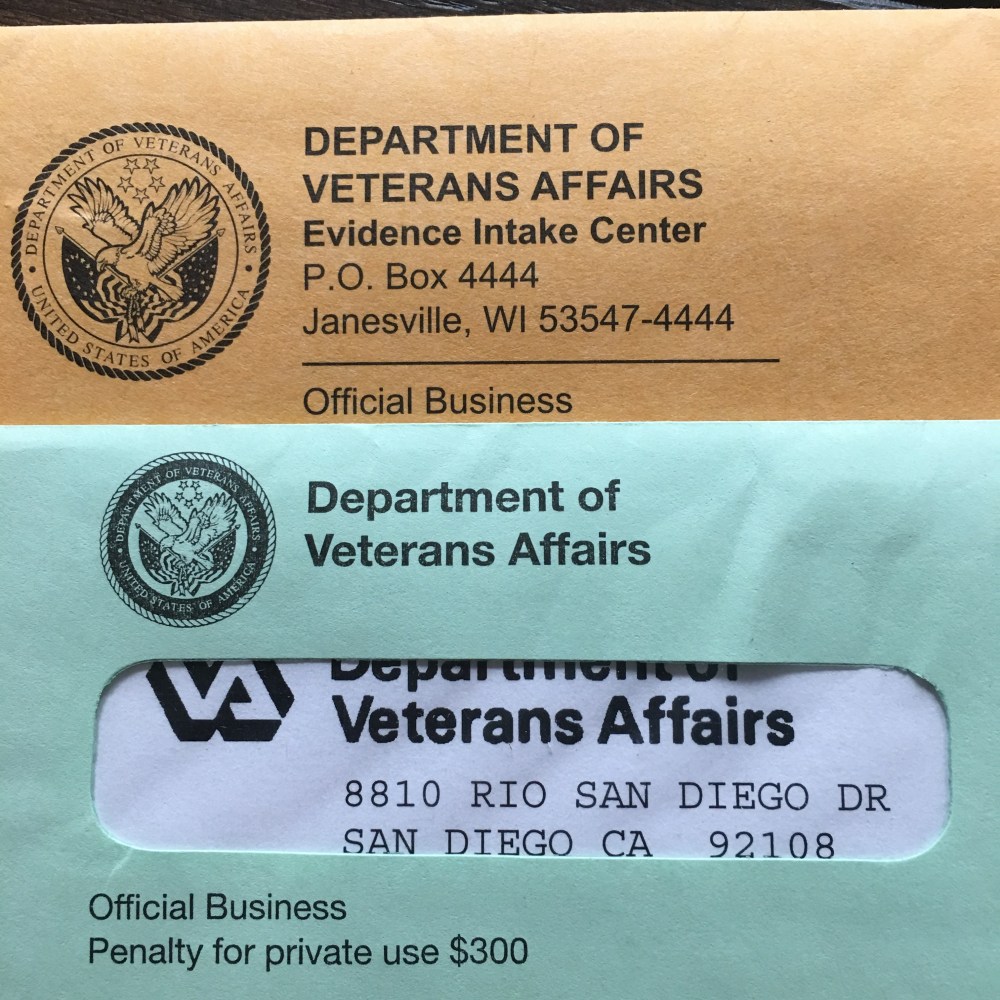
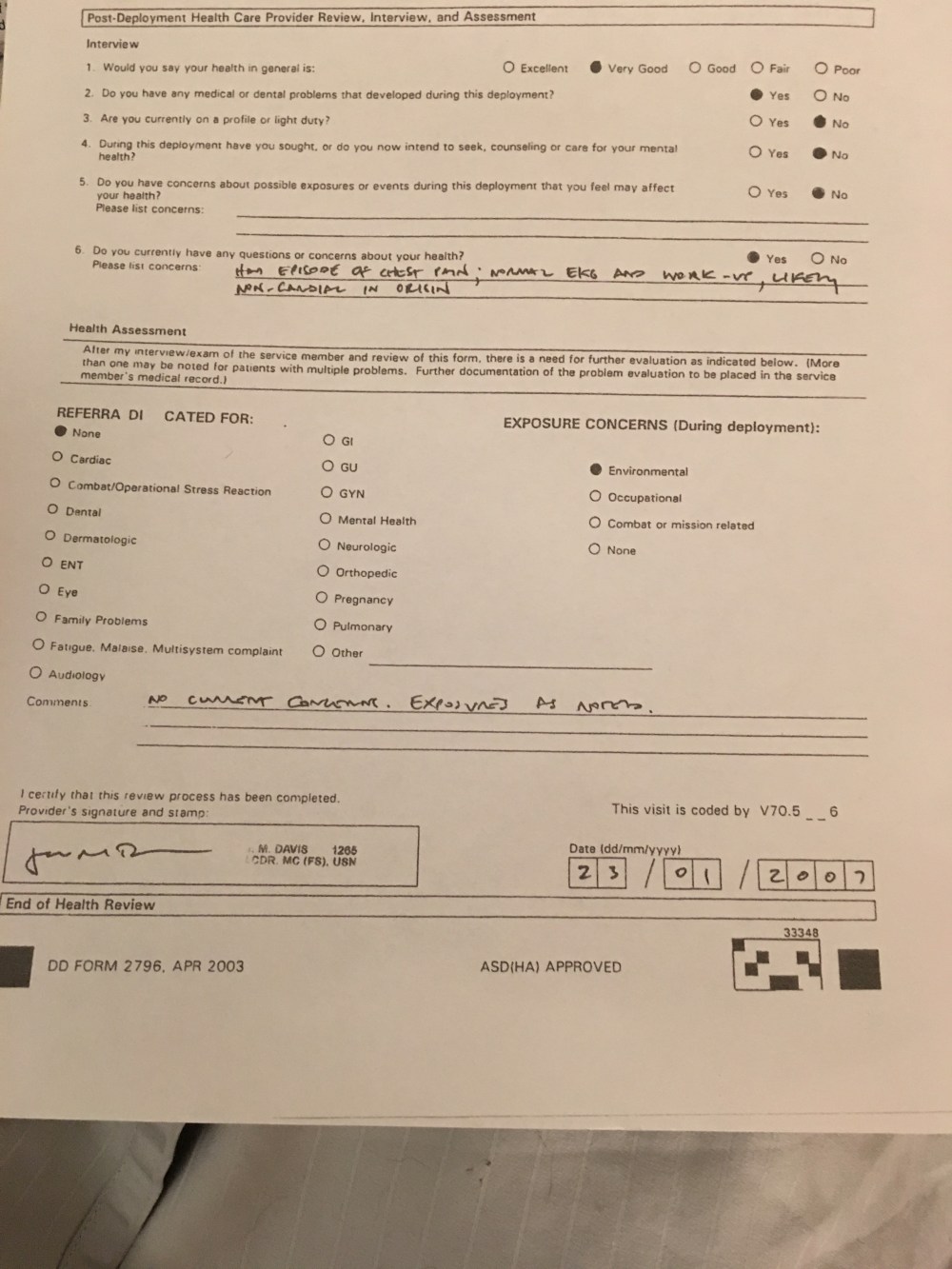
Last week, I heard back from the VA. Yet again, they don’t consider my chest pains to be service-connected. This reality kind of floored me. I actually opened up to them in my December 2016 claim and while it might sound silly to say such a thing, in 2007, I kept things simple.
I didn’t tell them about Captain Brock dying. I didn’t tell them about my kind of work. I didn’t emphasize my exposure to mortars, although that information was part of what I listed in my records about different types of exposures while in the Marine Corps. Back then, I was dealing with chest pains and I knew I didn’t have them before I served. They started at the tail end of my first deployment, continued after I returned, and remained a part of my life through separation. I just needed the VA to understand at my point of separation the chest pains were still ongoing and I felt they were related to my service in Iraq in OIF 2-2.
If I had realized what a miserable experience it is dealing with the VA on the disability compensation side of the house, I think I would have pushed harder to find the right medical support while I was in. For the few times I was willing to subject myself to medical about this condition, every person wrote ‘non cardiac origin’ for the pains but no one wrote in a diagnosis or suggested getting additional feedback on my situation. What’s more infuriating is the parts where it reads ‘exercise induced stitch.’ Seriously, in the twelve years I’ve dealt with these pains only the primary care provider I’ve dealt with most recently has delved further into this issue and offered different suggestions because the pains were getting to the point they were destroying my quality of life during waking hours and would interrupt my sleep.
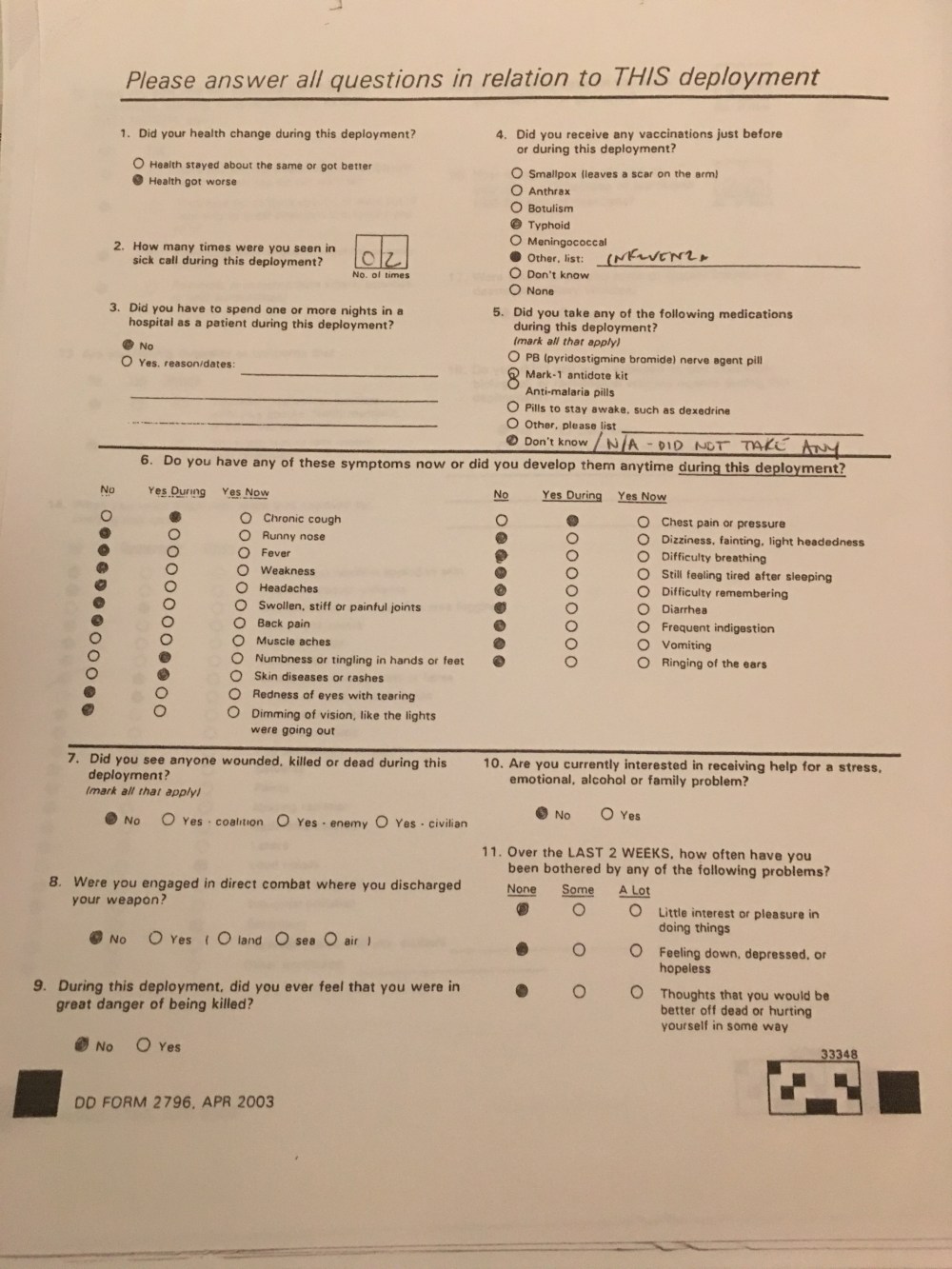
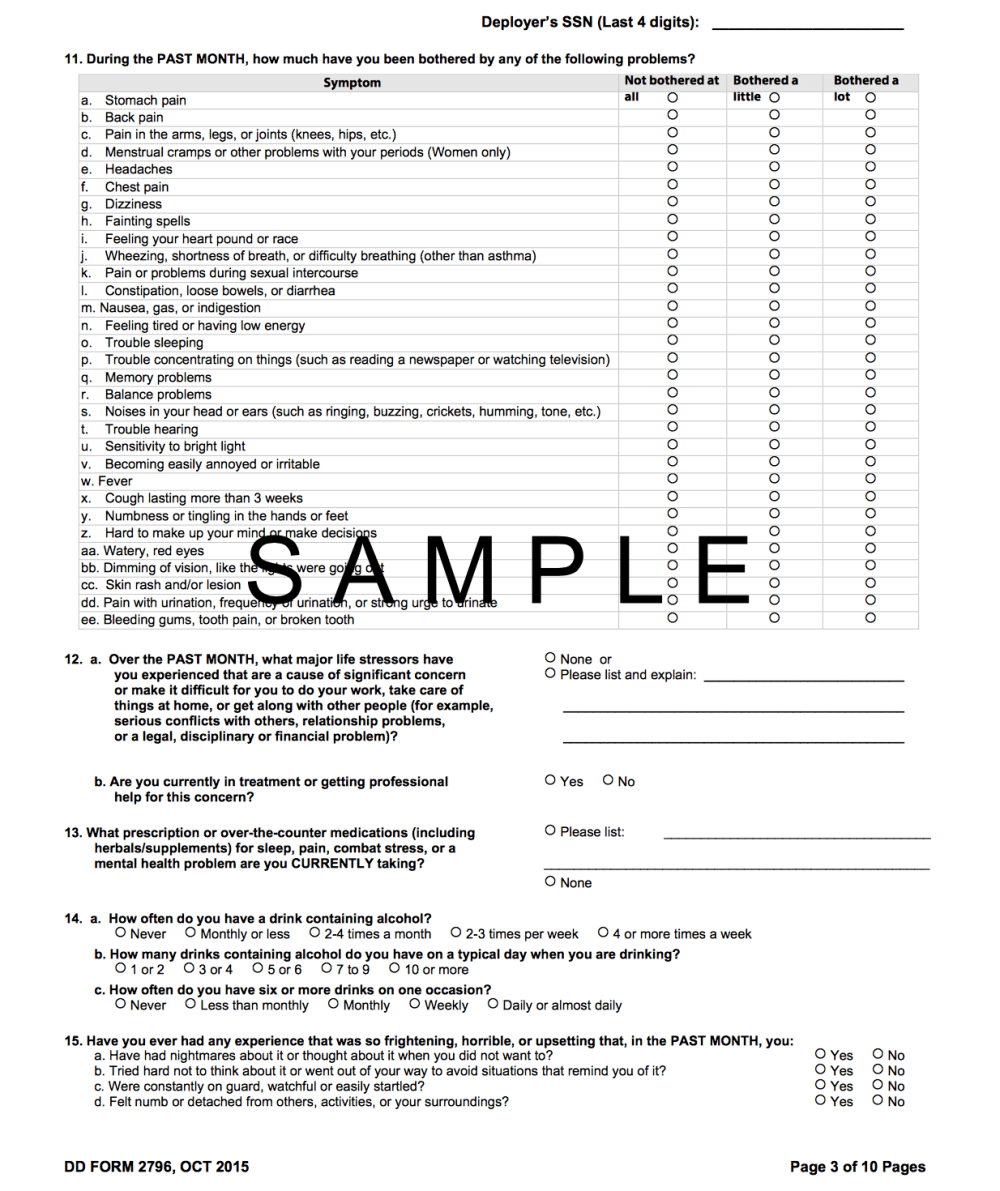
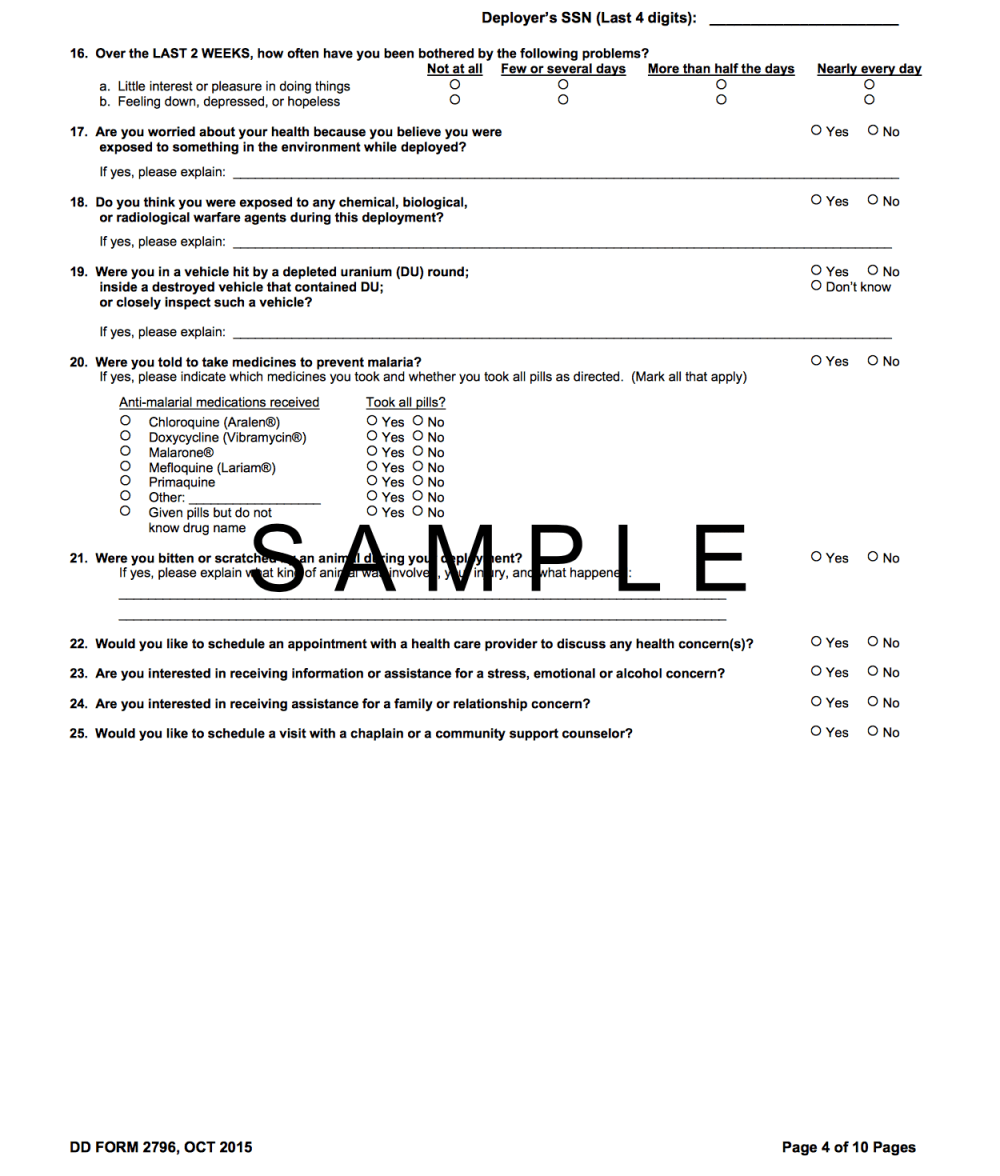
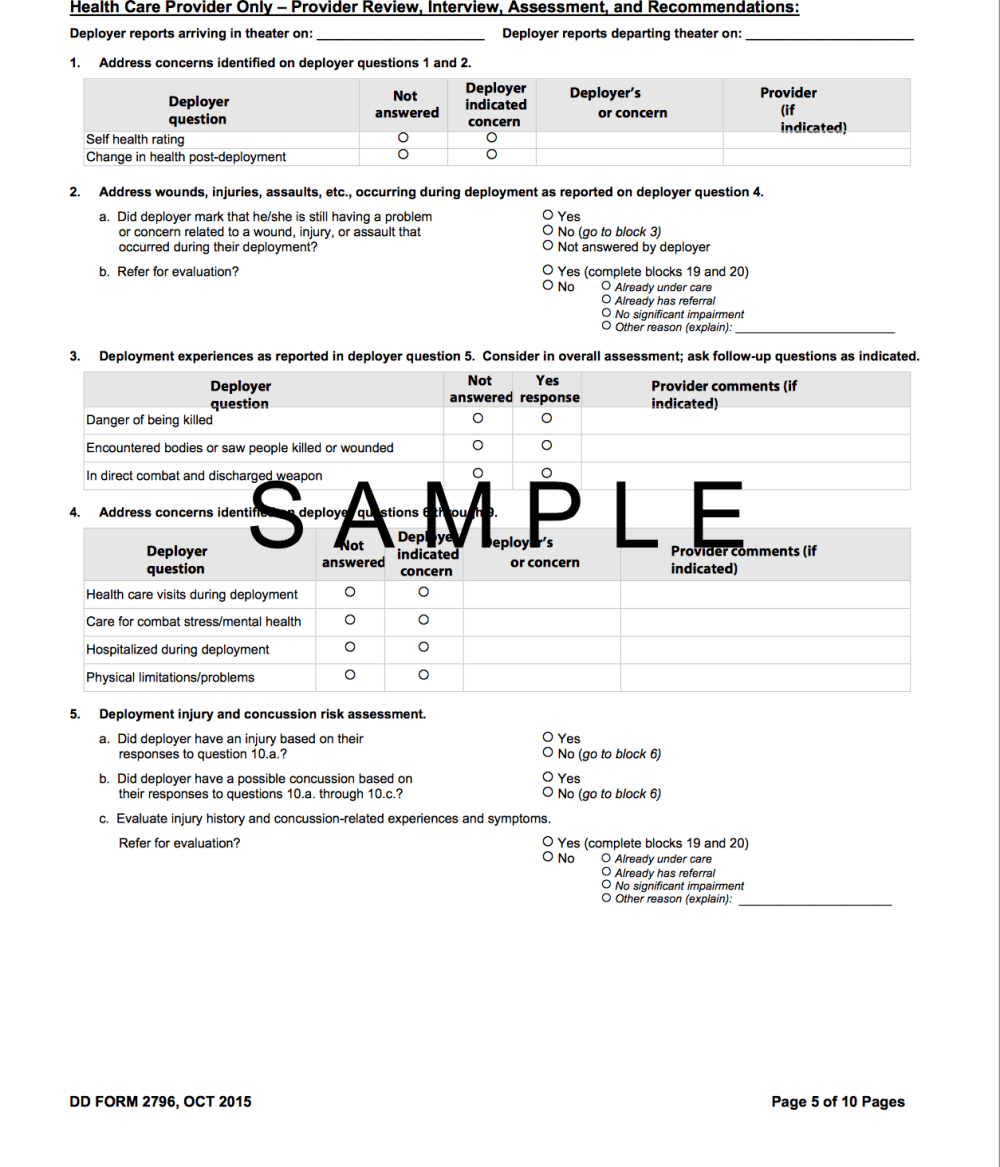
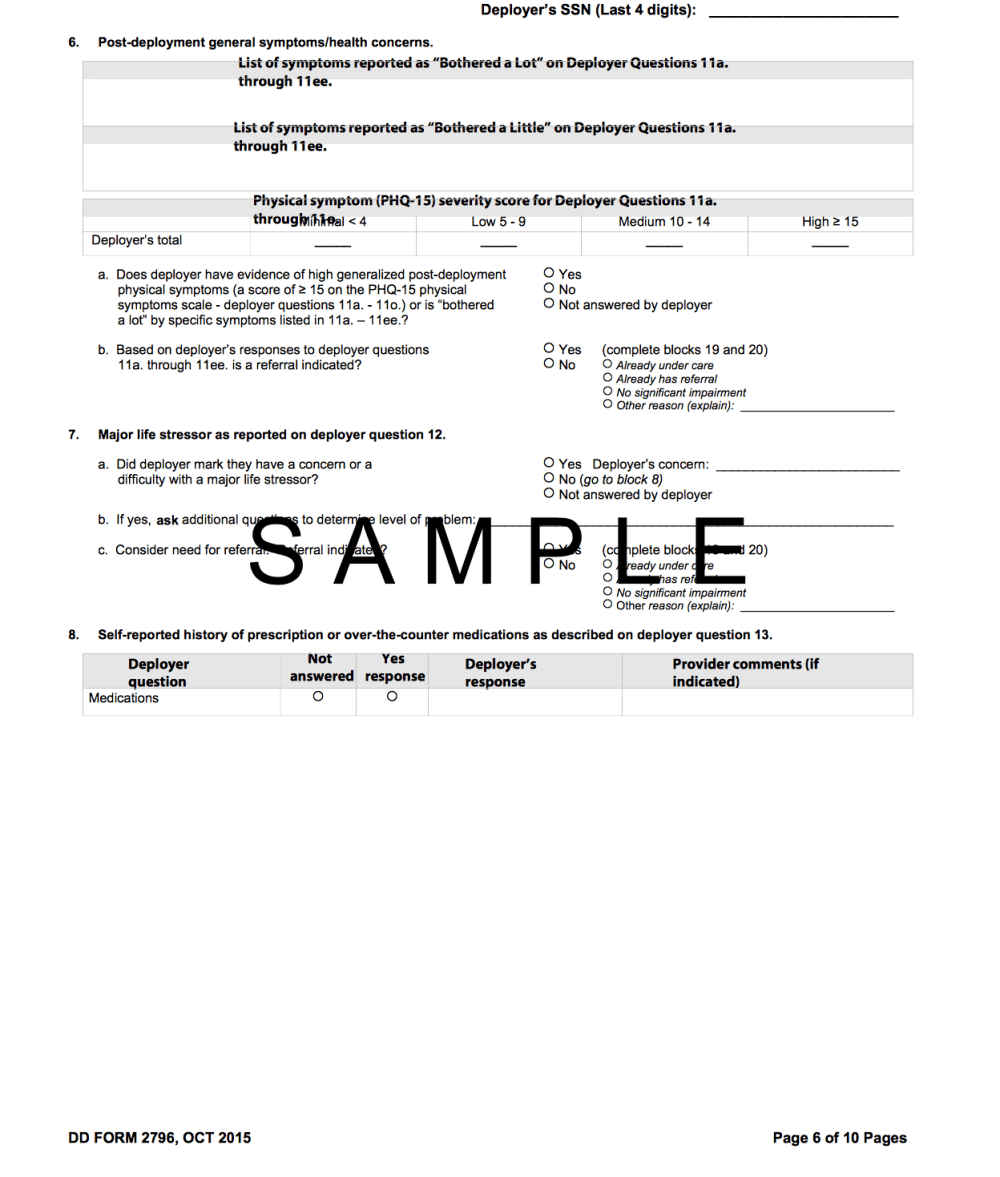
For over a year now I’ve wanted to have a conversation with you all about the Pre-and Post-Deployment Health Assessments and I think with this other VA encounter, I have the right foundation for this discussion.
The VA does not know our deployments the way we do and part of the problem is also the way the system requires ticking off boxes, ineffectually asking and not asking the right questions. The forms we complete do not necessarily represent the types of situations we may encounter; let’s be honest here, the VA will never have records from the Marine Corps and/or the US government that 175 United States service members died during my deployment and these numbers best represent the information I was feed every day as part of my work in our operations center. I only know this information because I was determined to find a way to discuss my deployment, to shed light on other aspects of war no one seems to look closely at but is an important job all the same. I am only privileged to know this much of the extent of my deployment thanks to Military Times data.
In cases like mine my work was classified secret so how was I suppose to honestly fill out the forms? As well, even if I could be honest, there also is not a sense of privacy to complete the forms properly not that I would have trusted completely it in full disclosure. On my first deployment, I was the only woman on my team so I felt implied pressure to not be the “weak link” and during the second deployment a lot of stress from the first deployment crept up that I was not willing to discuss with my command. Nor was my situation helped by the fact my chest pains occurred on deployment and yet again, no real resolution came out of getting them checked out.
My apologies I currently do not have snapshots of my first deployment paperwork. eBenefits is being quite a disappointment and again not allowing me access to my military records. The next time it’s available, I’ll try to download all my copies so I can share those details with you. For now though, we can press forward using information from my second deployment documentation, the pre-and post-deployment health assessments.
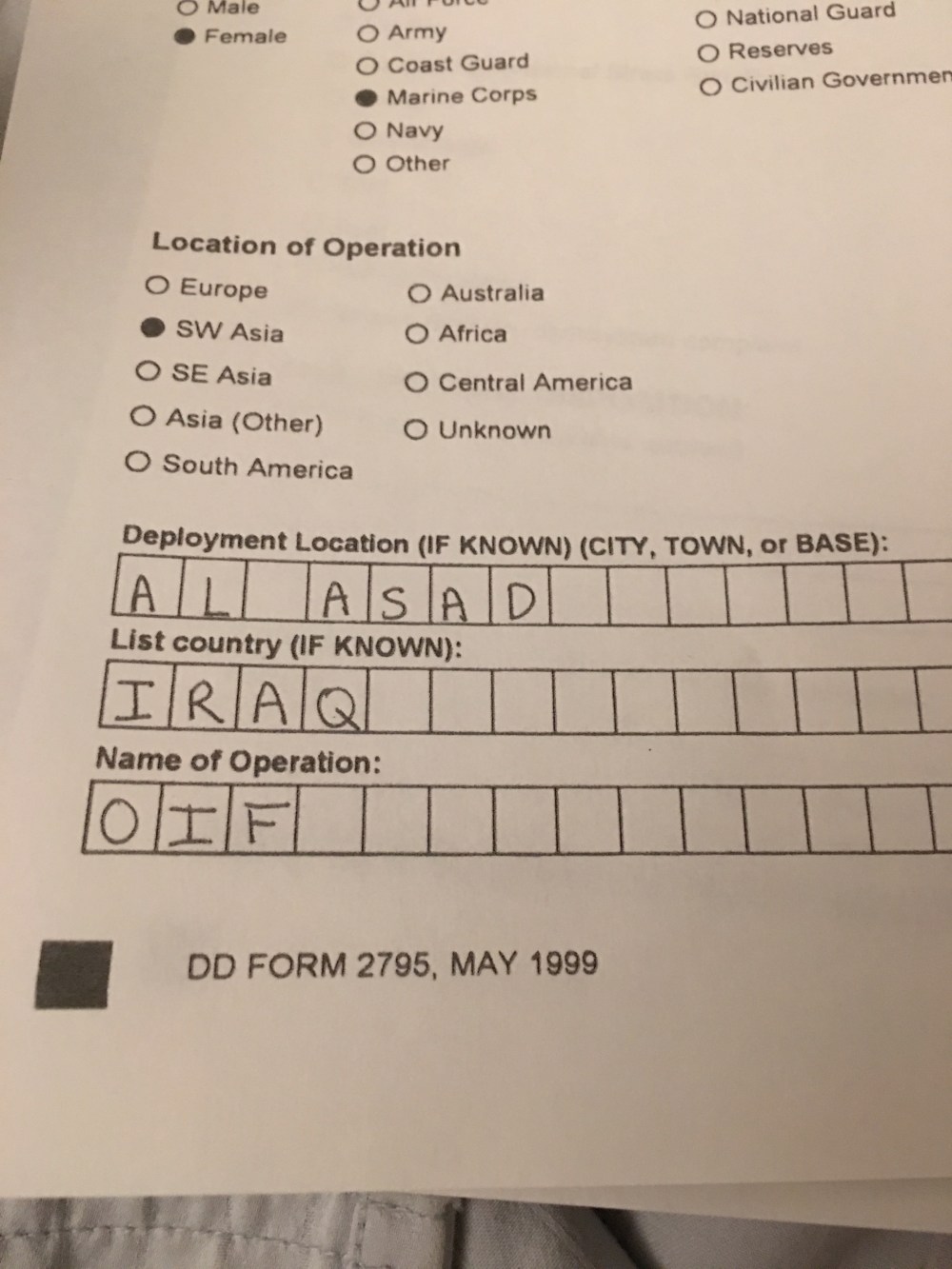
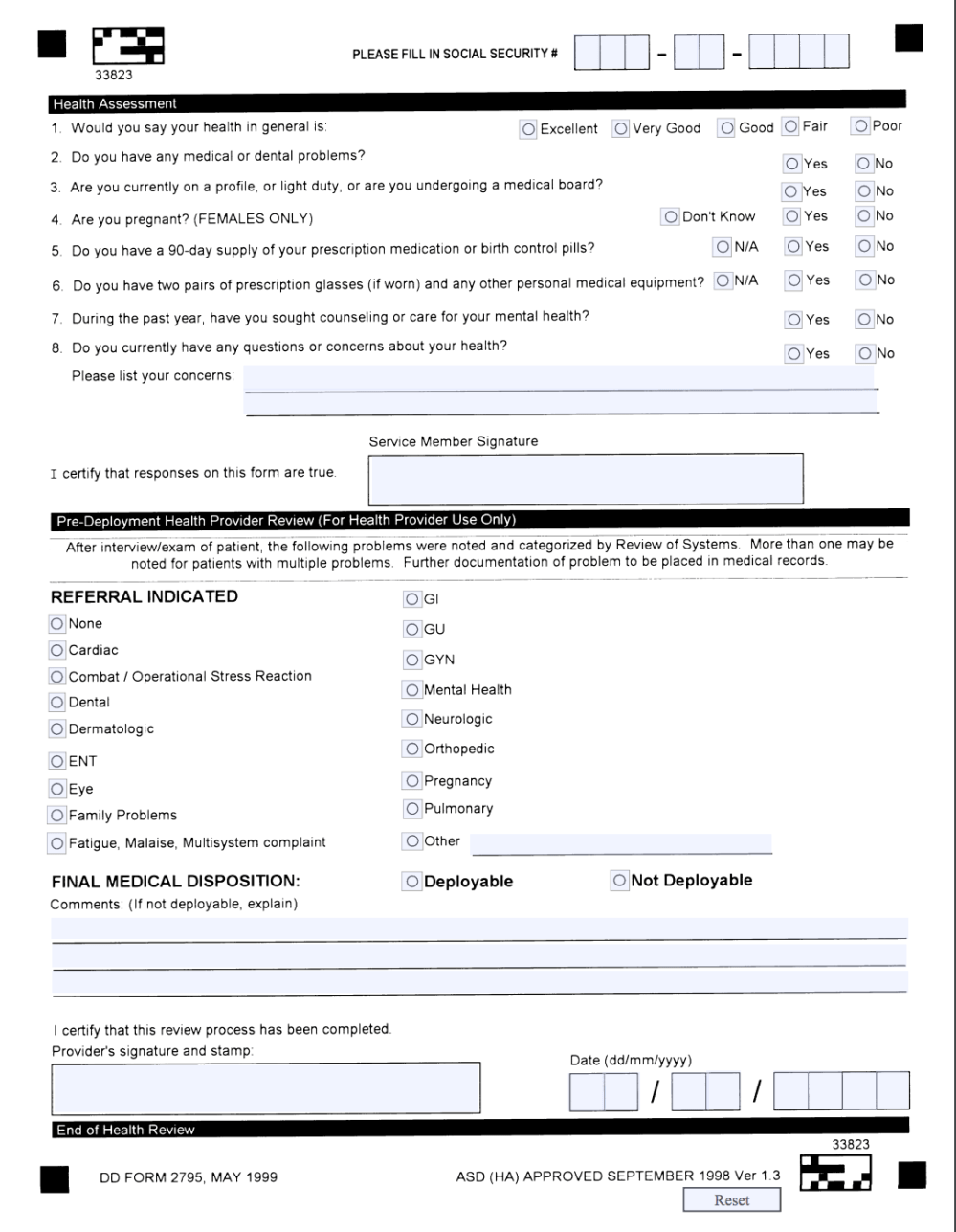
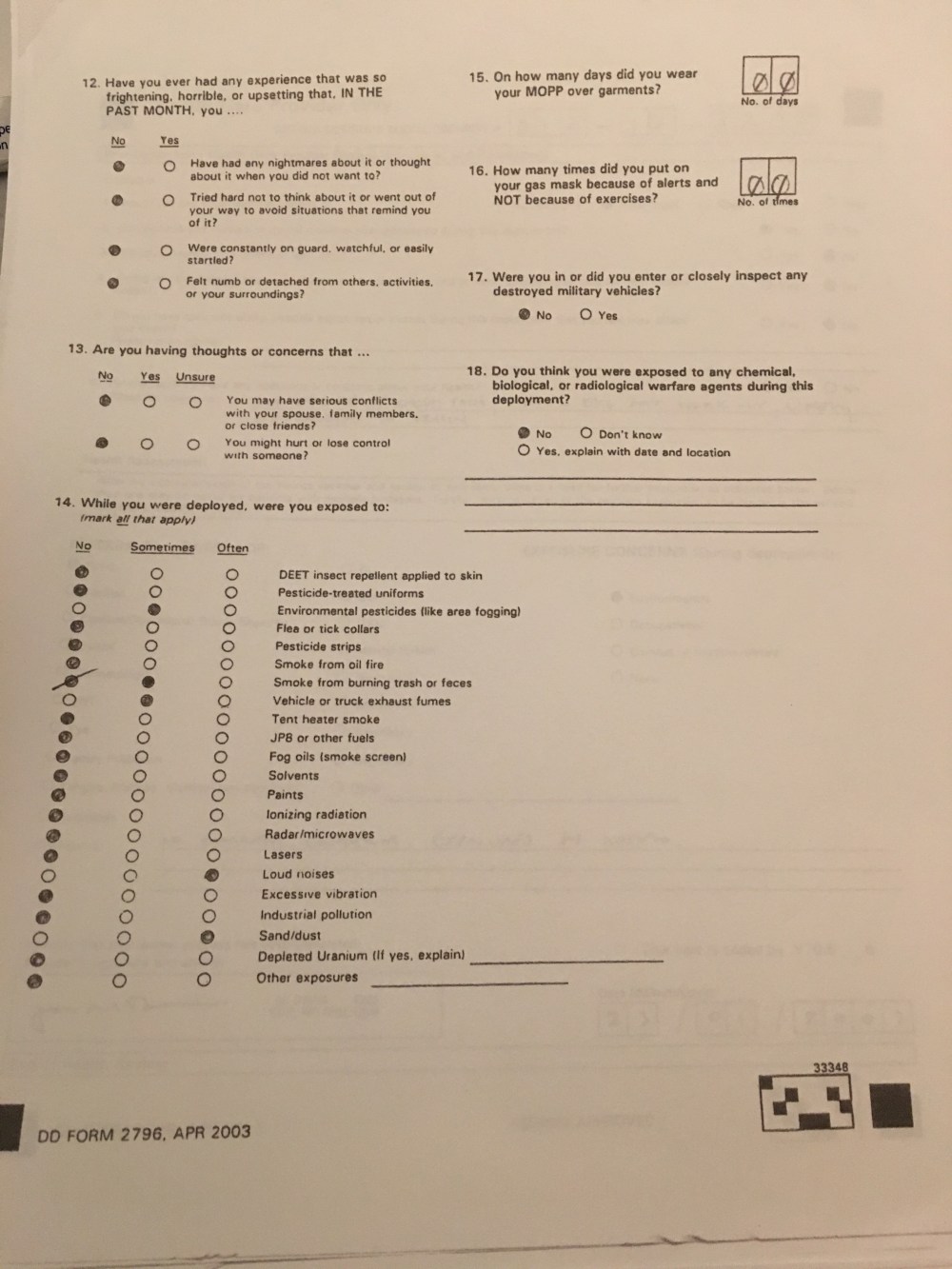
This form was filled out on July 11, 2006It’s kind of funny I still had my maiden name on my pre-deployment health assessment. I was already married by then.
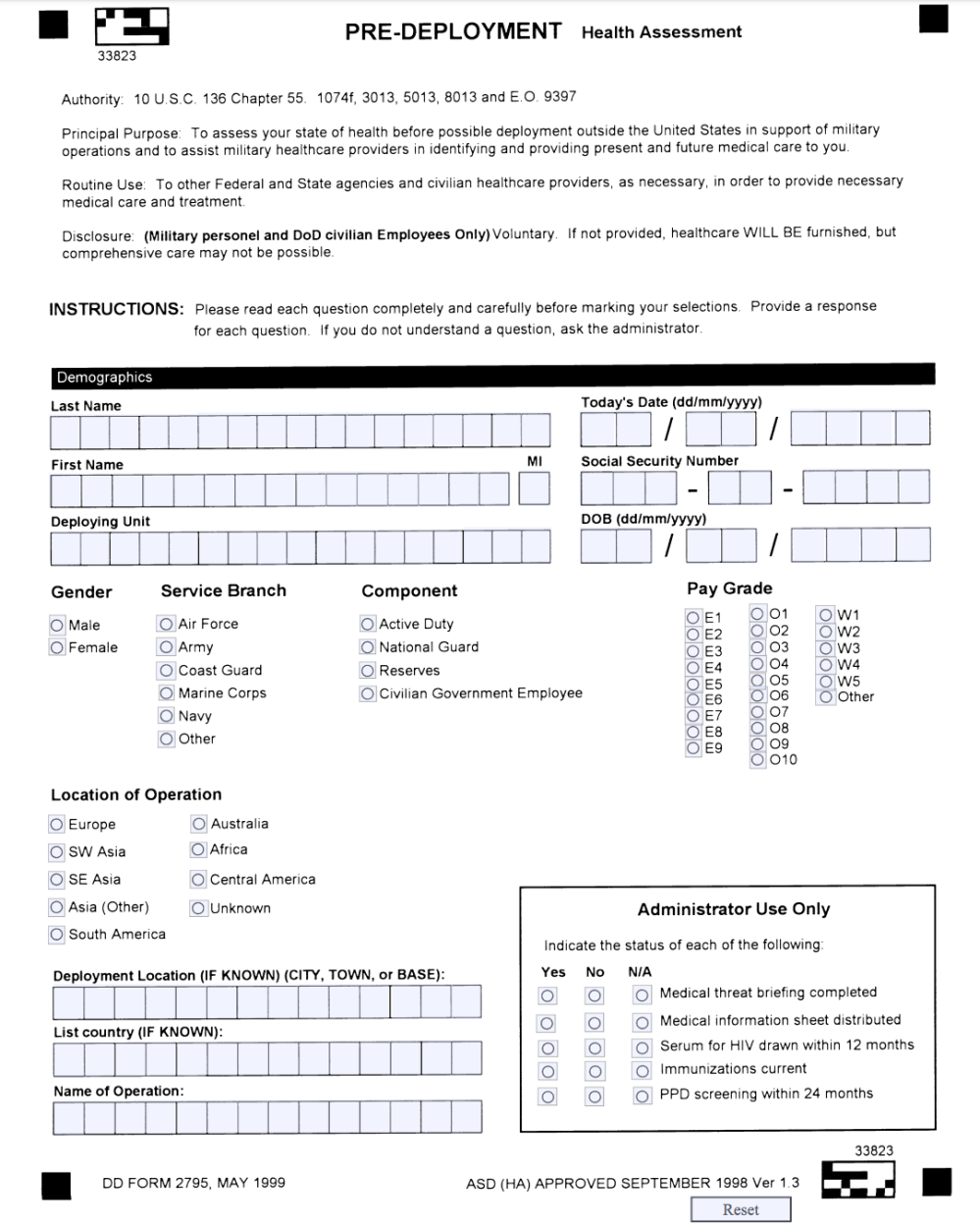
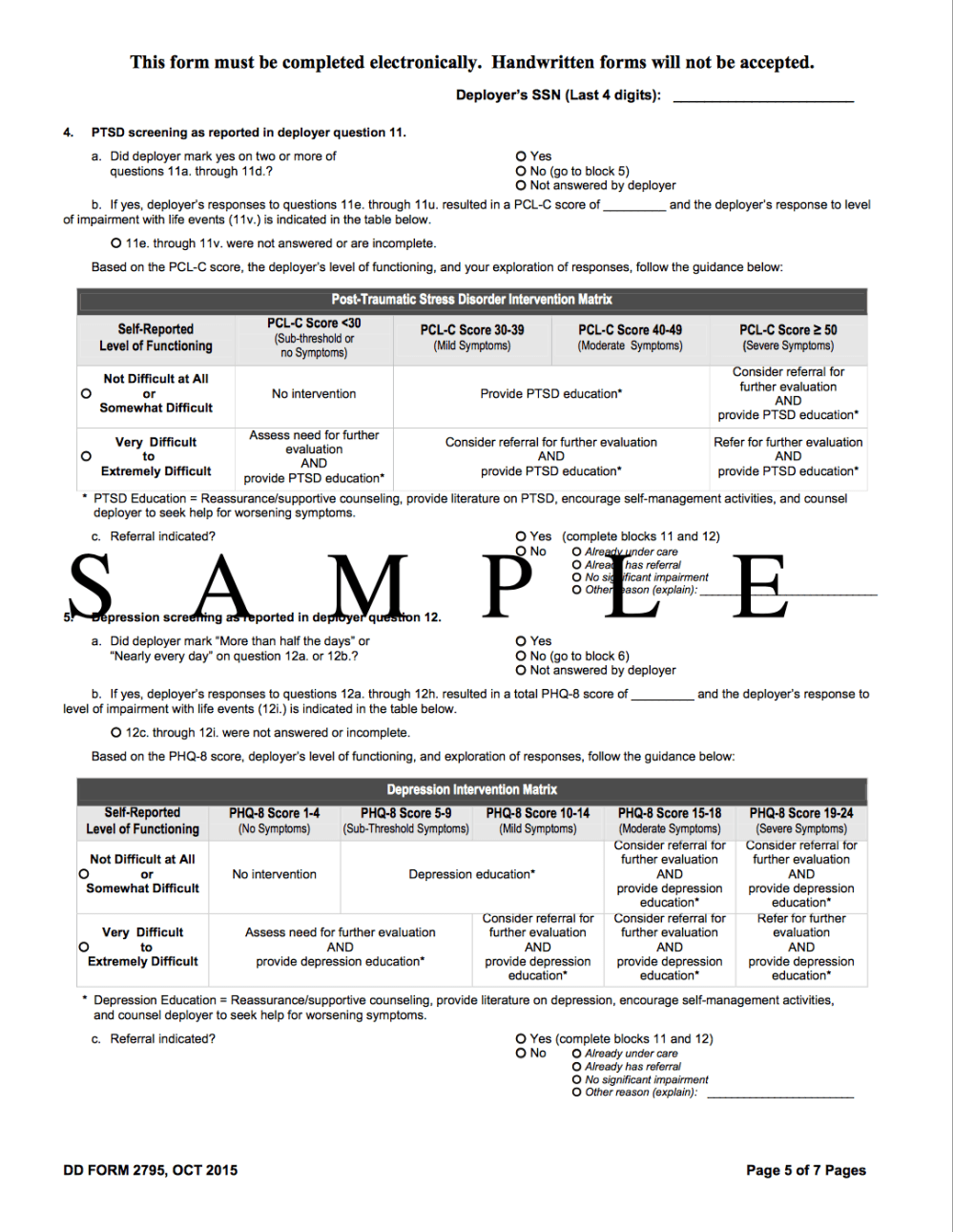
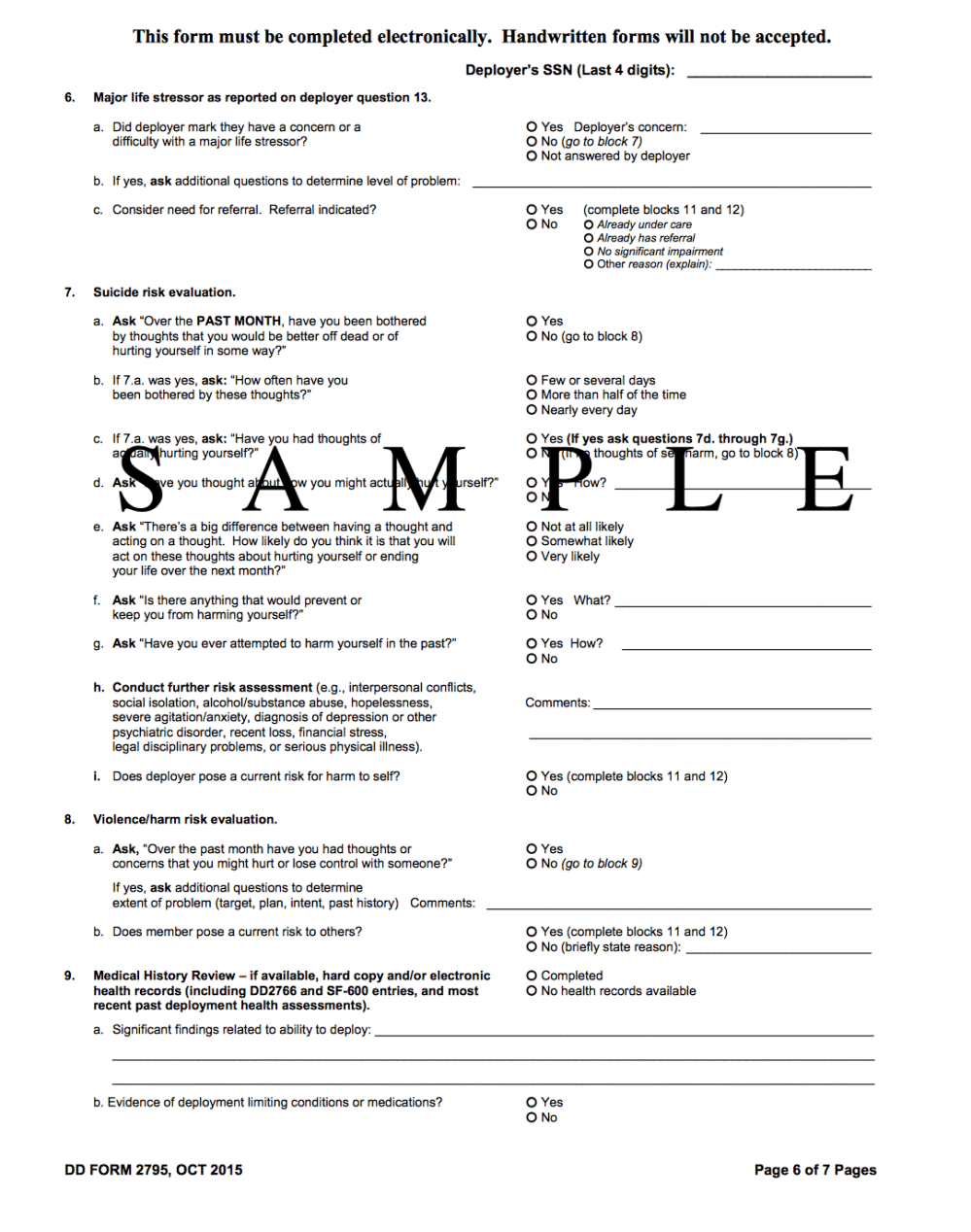
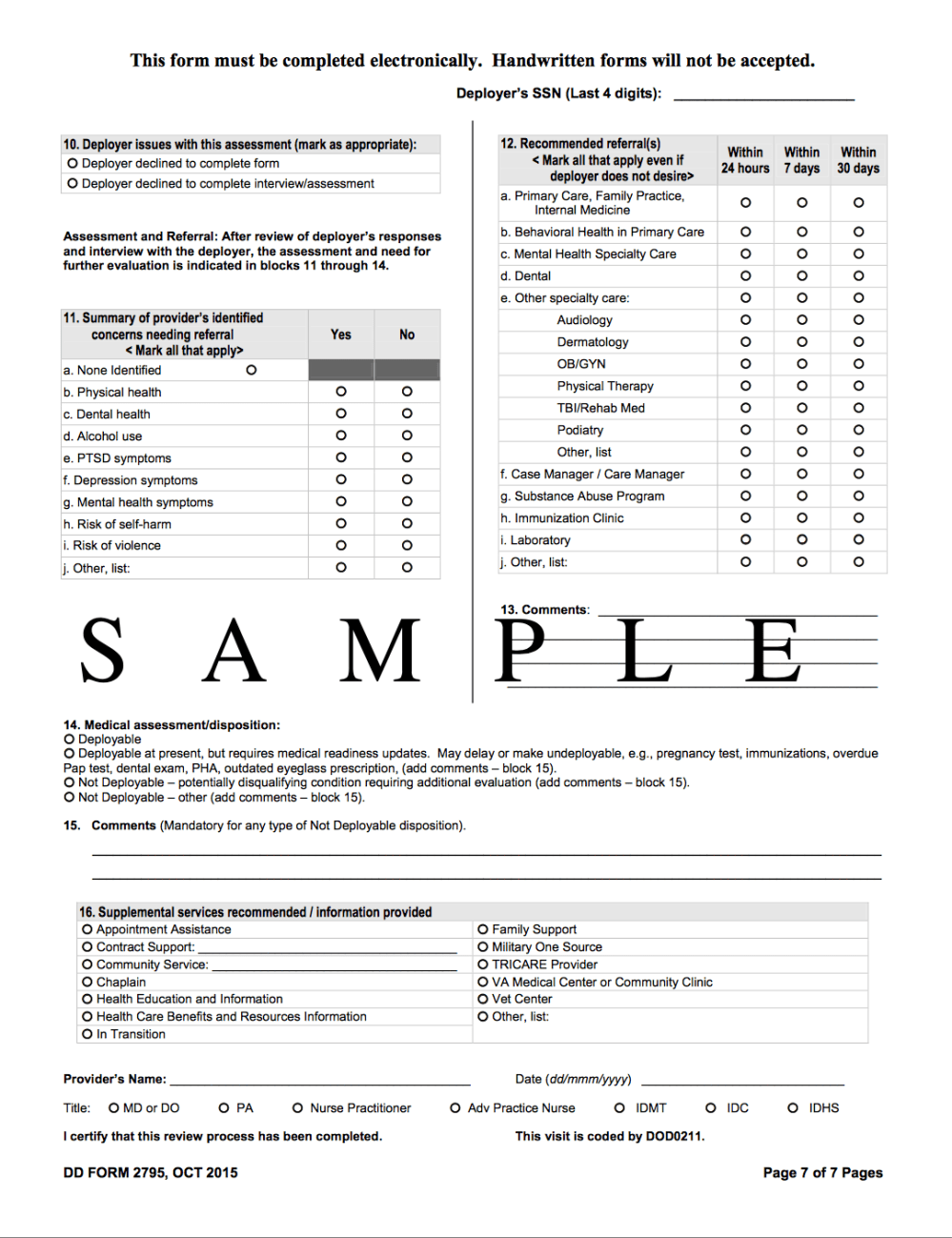
I’ve cut off segments of the documentation as my copies contain my Social Security Number but for greater clarity on this issue, below are fuller snapshots of the pre-deployment health assessment form that existed during my period of service.
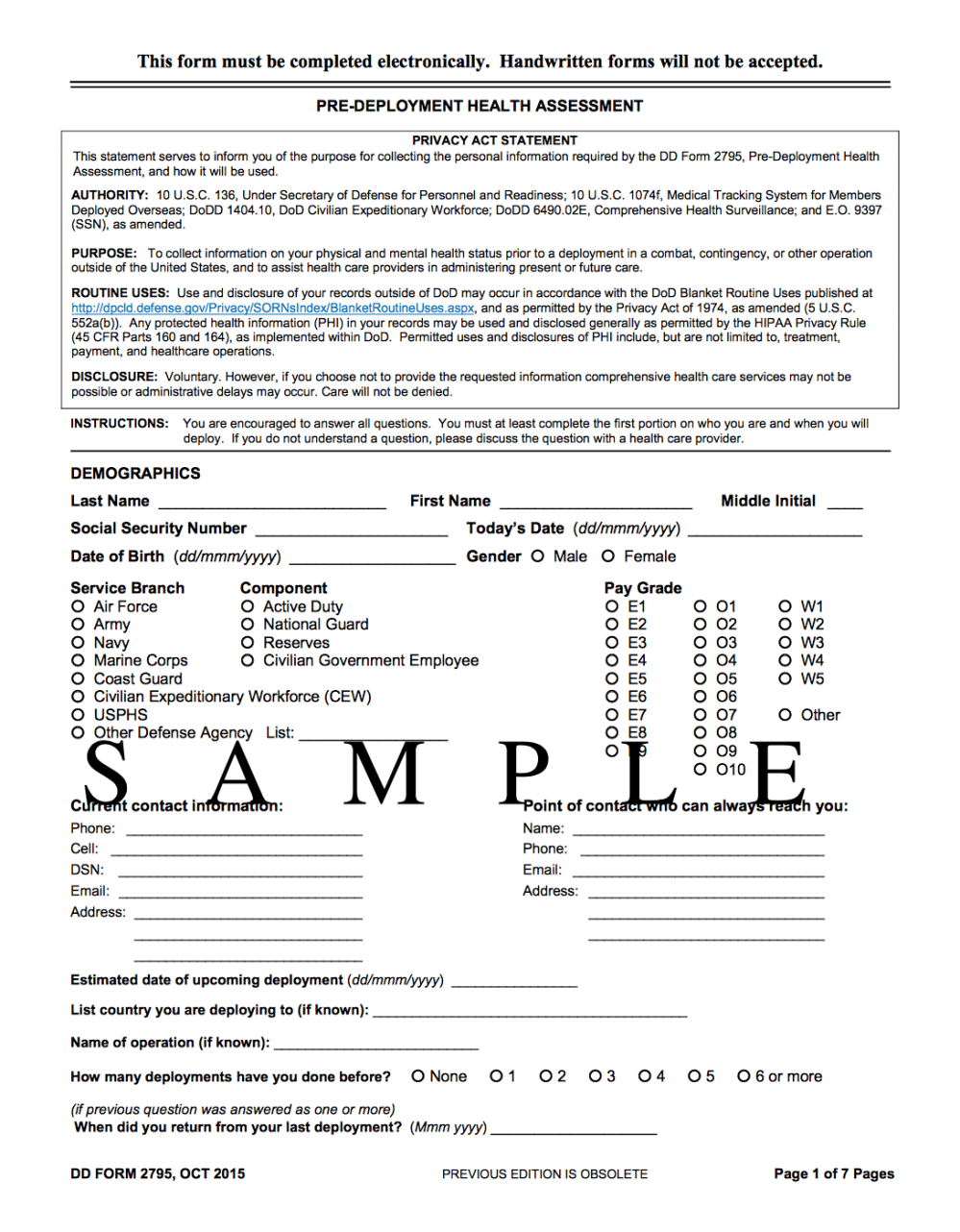
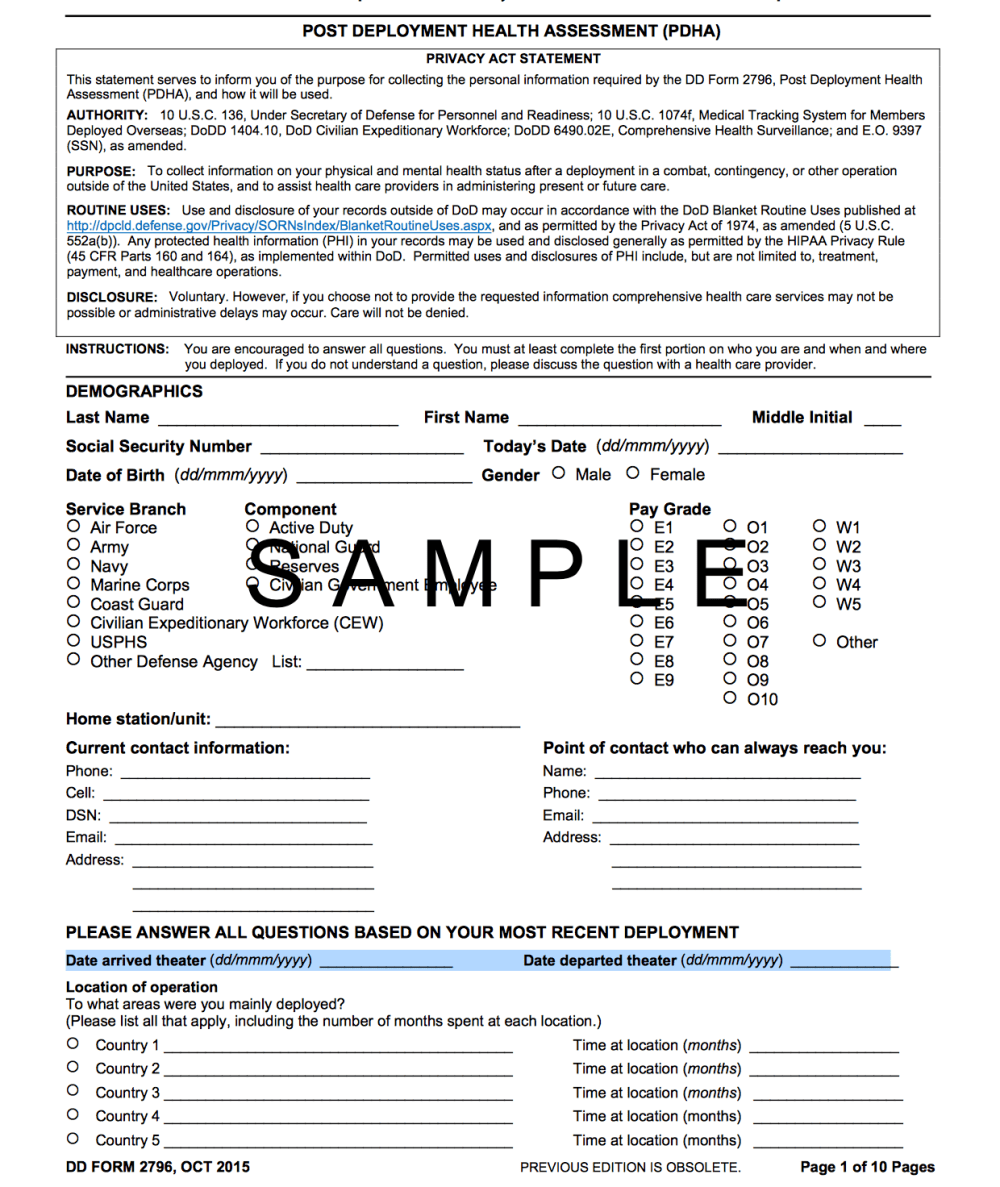
Below is the updated version of the Pre-Deployment Health Assessment Form:
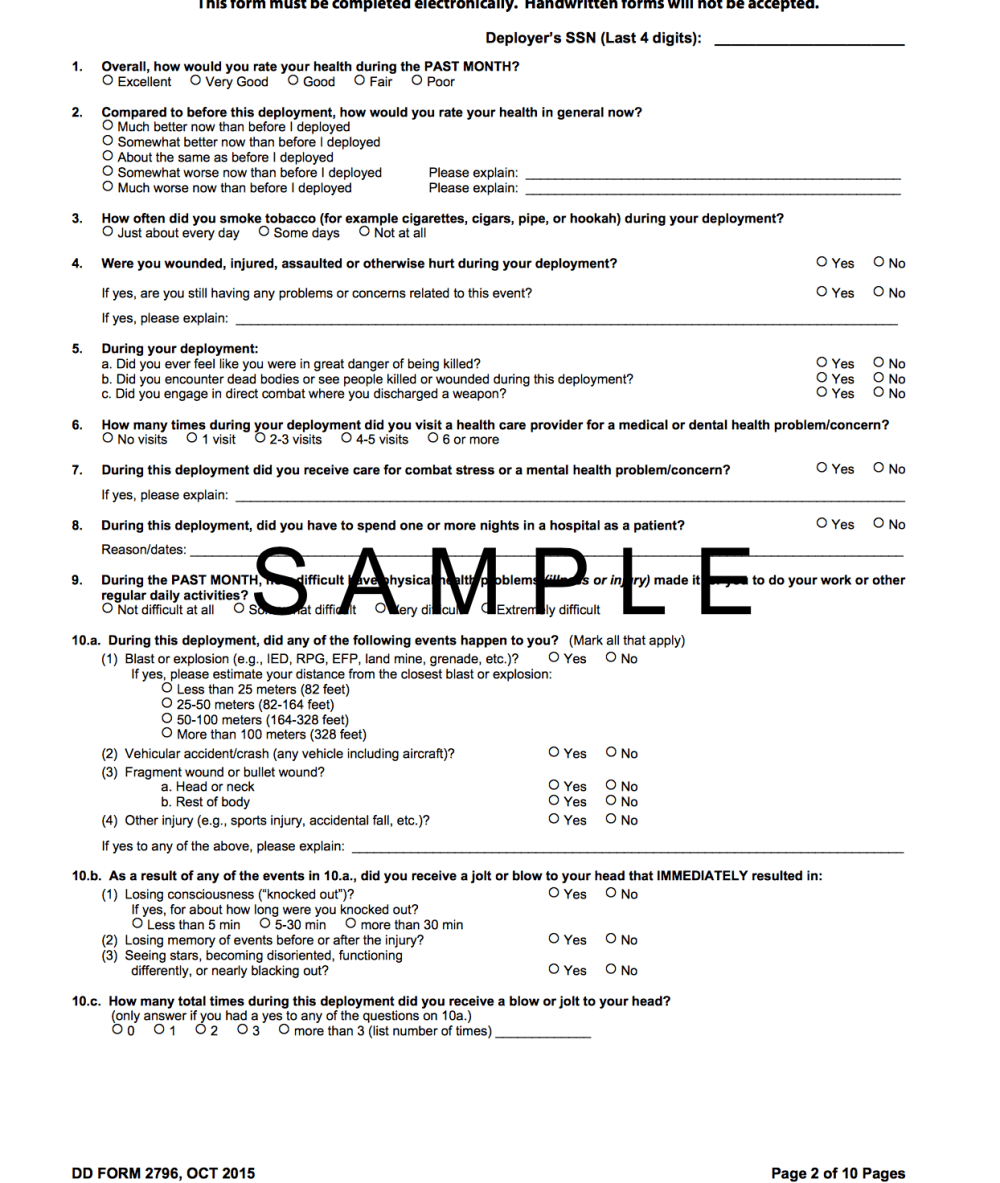
The revamp of the Post-Deployment Health Assessment is also of great concern to me, and I think all veterans of this era should consider how the inadequacies of the earlier form shape what sort of service/deployment experience is considered valuable, dangerous, and potentially traumatic. The forum in which service members were offered to complete their forms is equally as important. I can remember completing the first form in a classroom with a number of guys, classroom style as though we were taking an examination for a grade. It was really a matter of “everyone’s got to do it”. You fill out your form by hand and turn it back in. You don’t want to get called out for your answers and you just want to make it back home.
I don’t recall completing the Post-Deployment Health Assessment at the end of my second deployment but most of the handwriting is distinctly mine; there are only a few segments where the medical personnel filled in information. Coming home was very rushed that time. I can remember meeting my husband and his mother and sister at the Sheridan, Wyoming airport but I cannot remember who picked me up in California. I remember having issues with my military gear being stuck on the conveyer belt and an older gentlemen picking up my pack like it was nothing, hoisting it up so I could tuck my arms into the shoulder pads and settle it on my back. (To everyone who was part of my transition home, I do not make this statement about not remembering your support lightly. Coming home was that much of a blur. I didn’t have a moment to catch my breath and will still say that process didn’t start until I left 3rd MAW in late May 2007 for terminal leave.)
My chest pains are the only thing I shared with the VA as a serious issue in 2007 and again, I am making the choice to share so much personal information because I don’t necessarily see our system getting better if there is a significant gap between what people expect their service to be like and the reality of the experience. I hope by cracking open an issue like poorly constructed pre-and post-deployment health assessments provides a lenses for organizations like the VA to understand where they must also take a step back and learn from veterans what deployments are like. I also hope current service members look at their needs before the needs of the organization they serve; at some point, we all leave the service and our personal health cannot take a back seat because we didn’t want to look like malingers/didn’t want to lose camaraderie/didn’t want to let down the team when a medical issue should have prevented us from deploying.
When I also decided to share with the VA this go around the fact I’ve dealt with tinnitus in the last few years and for a shorter duration, moments of hearing loss, I expected to have them listen. I thought it was fairly reasonable to be ‘heard’ since I have recorded mortar exposure in my records but never sought treatment because I didn’t notice anything wrong at the time.
Right now my hearing is not to the point where I’ve lost full functionality and I sincerely hope it doesn’t degrade further but the hearing loss does scare me. (The tinnitus, on the other, is mostly annoying and only occasionally causes pain.) These issues make me realize I cannot continue to take my hearing for granted and I should plan more for down the road if it degrades to the point where hearing aids might be needed. For now though, I am pretty good about asking people to repeat themselves when I need them to and I remind my daughter to come into the same room if she wants to talk to me. (She tries to yell from upstairs but I’m going to miss a lot of what she’s jabbering about so I make her come down and talk to me anyways.)
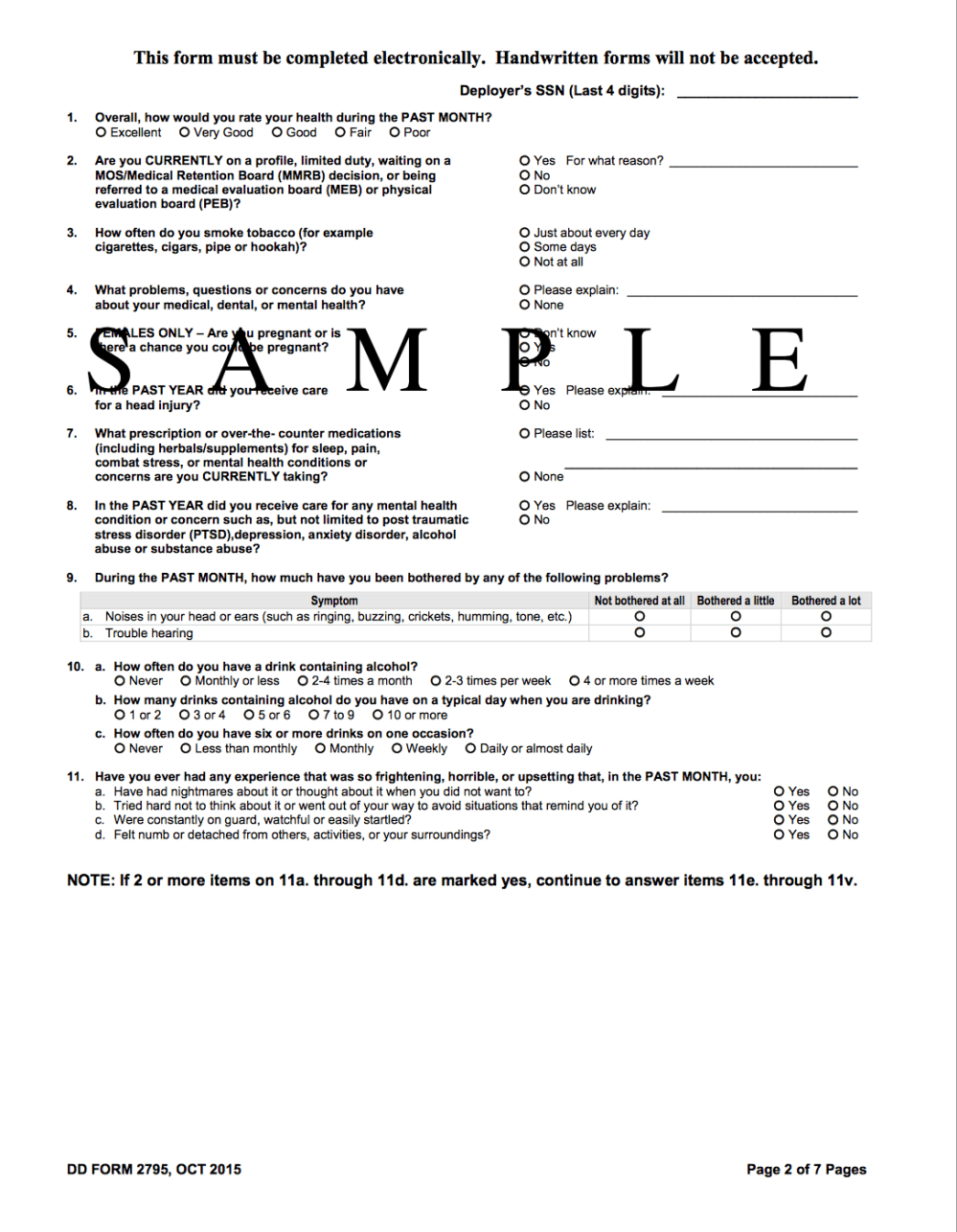
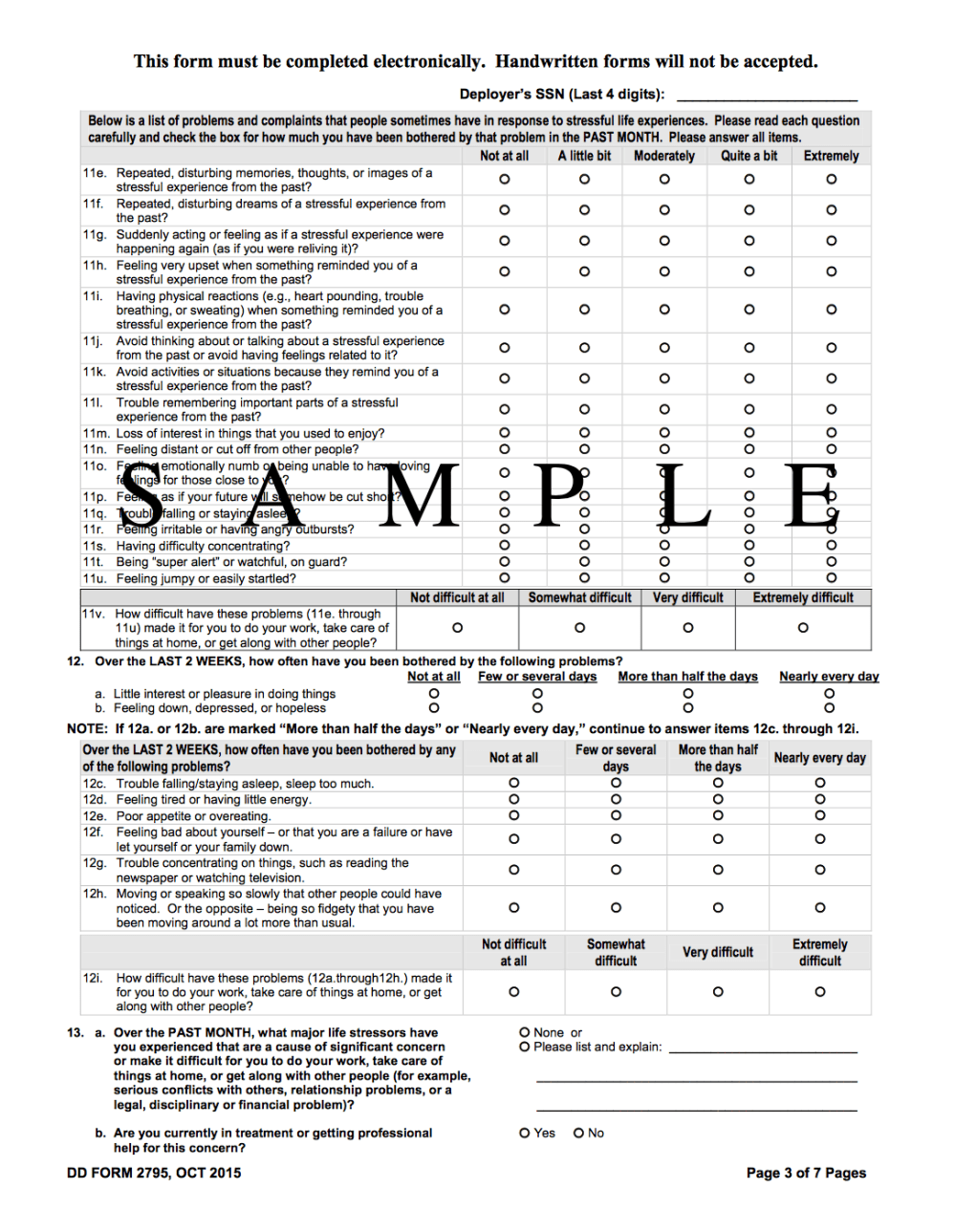
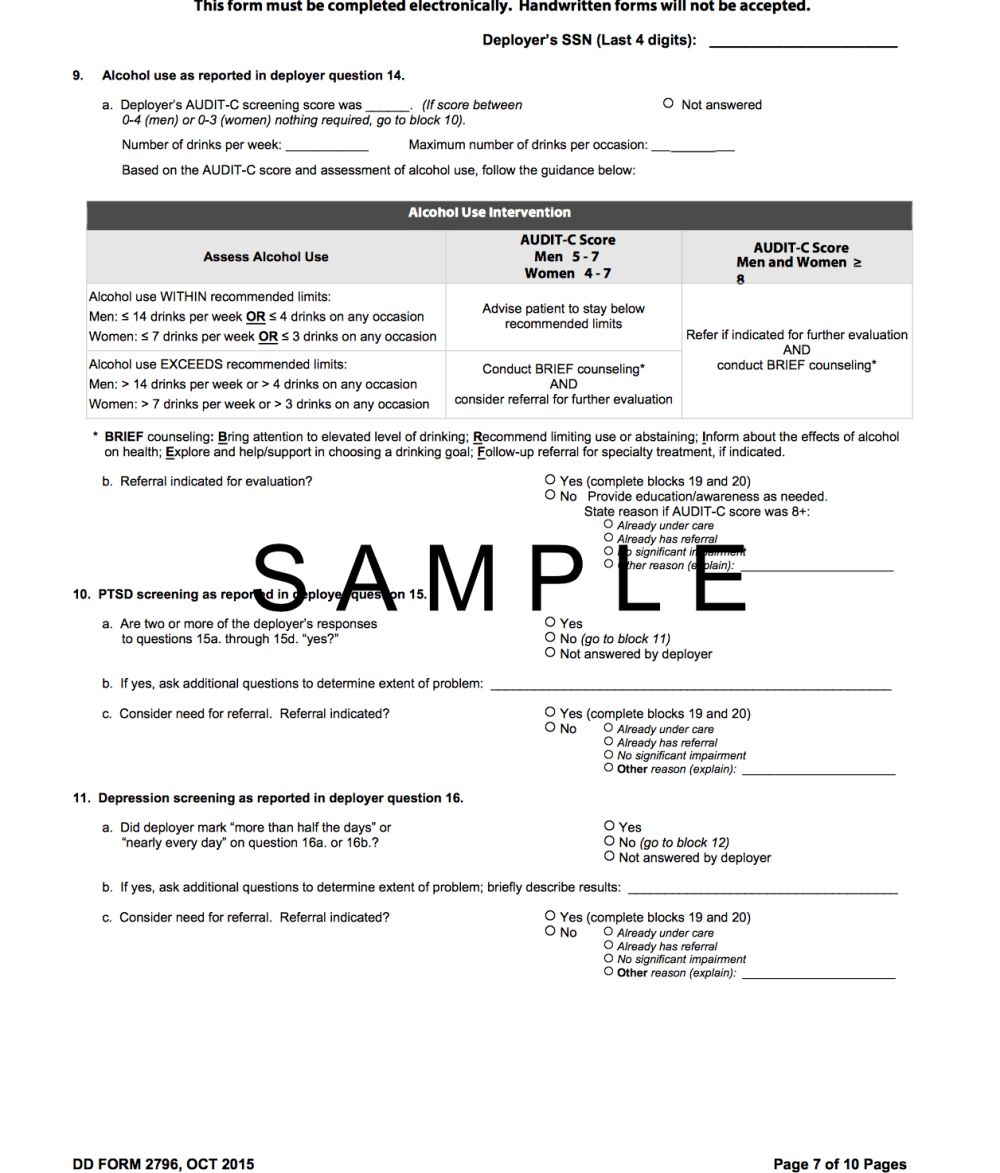
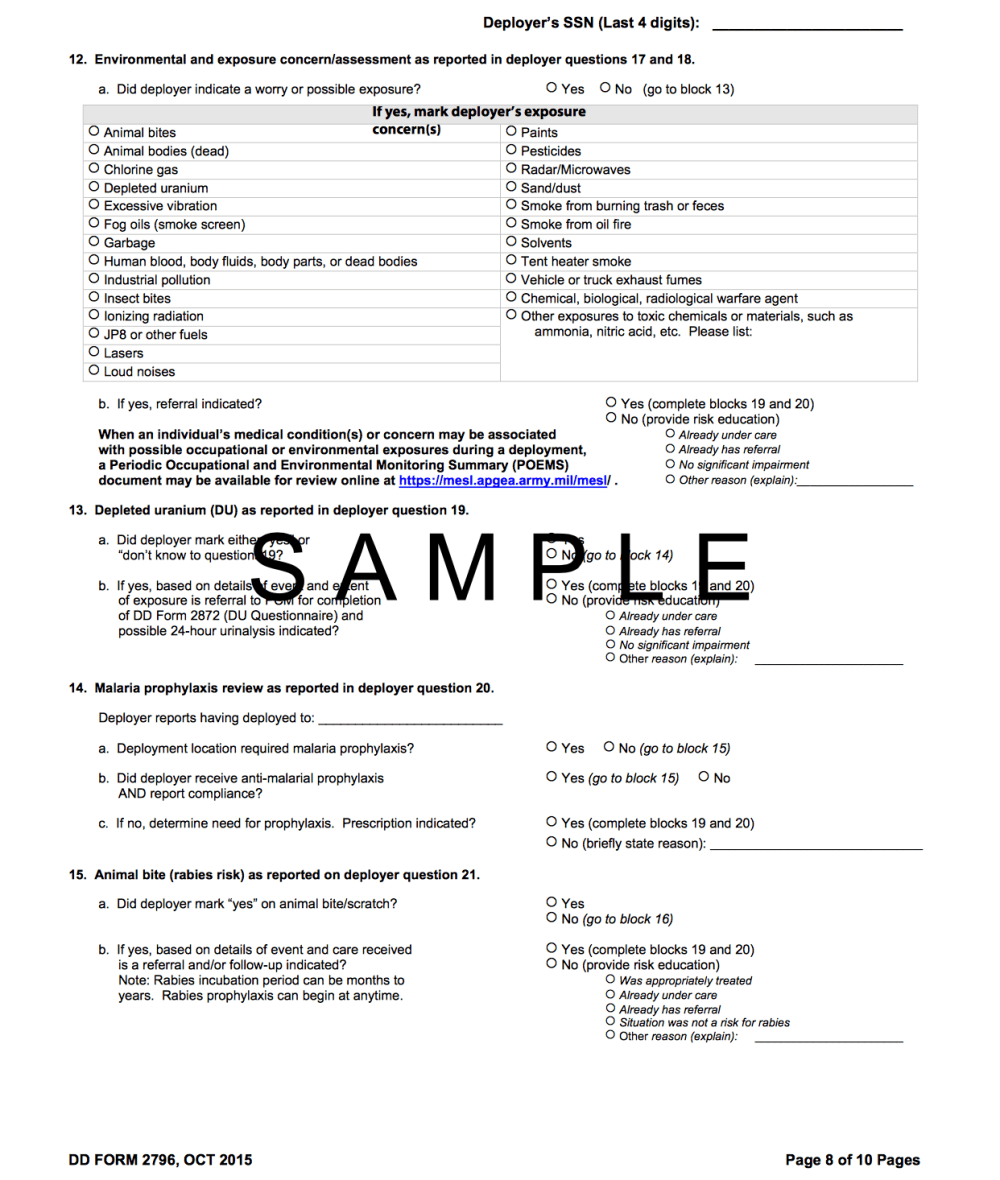
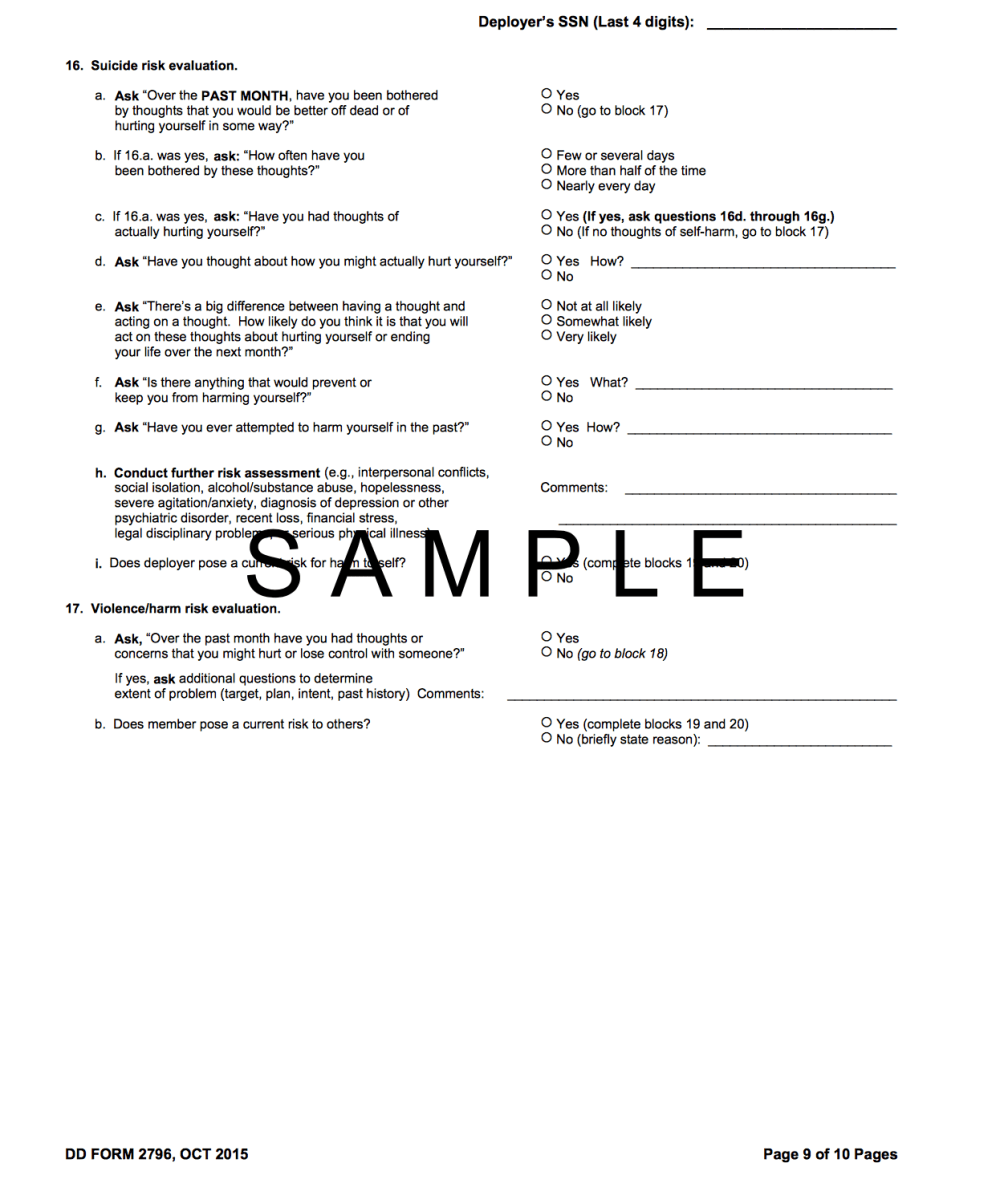
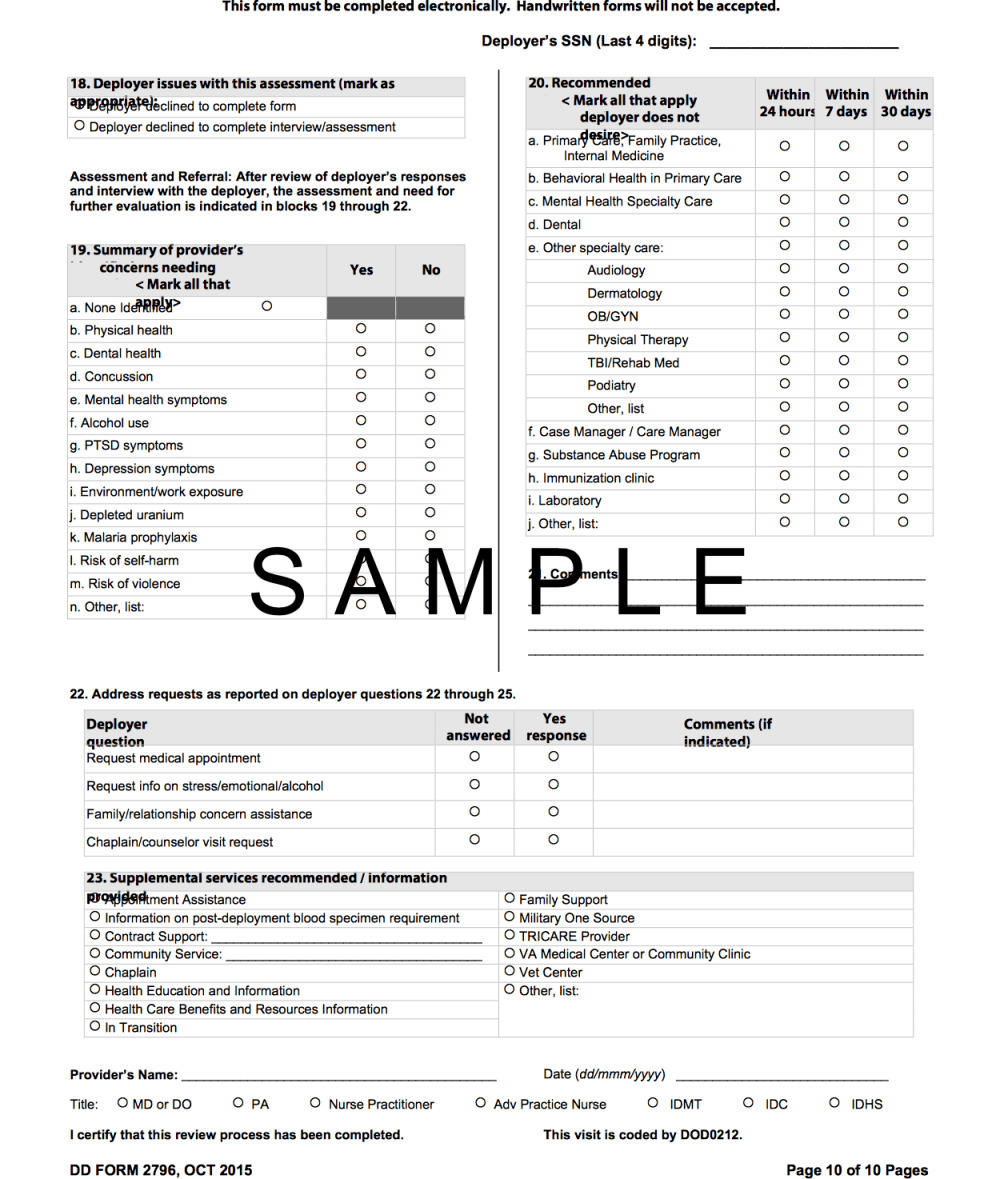
I am already past my bedtime (Seriously, it’s 10:45 pm!!!) but in closing, take a moment to look at the October 2015 form. It is much more inclusive. (Please excuse the fact I cannot obtain a good snapshot that shows on each page the form is not to be handwritten.)
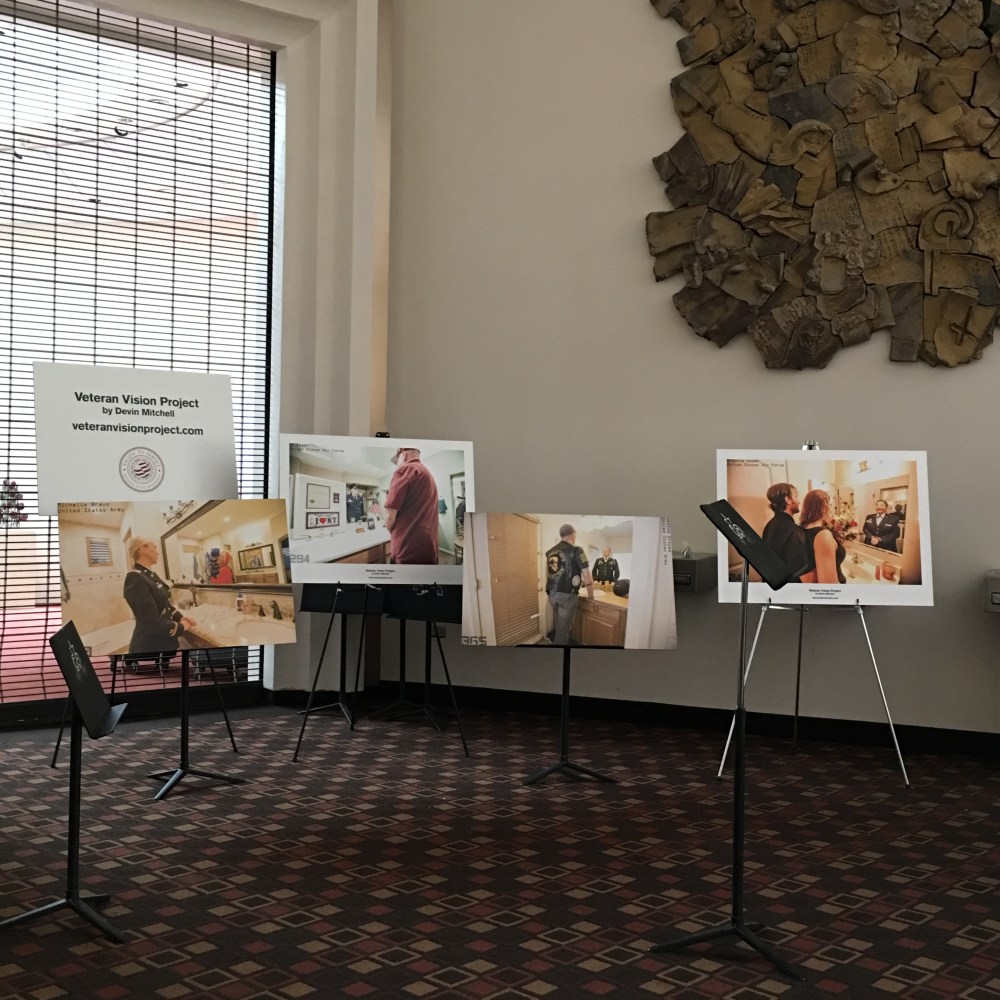
Yesterday, I volunteered with a handful of other veterans to be part of a local community collaboration sharing our stories interwoven with pieces of The Odyssey for Odyssey Home: A Veteran Performance. The Chandler Public Library held this event called Creating Peace From Conflict at the Chandler Center For the Arts in partnership with Arizona State University and Veterans For Peace. We also had Veteran Vision Project photos on site for attendance goers to see along with the individual narratives associated with each photograph. Once the footage is available, I’ll provide the link.
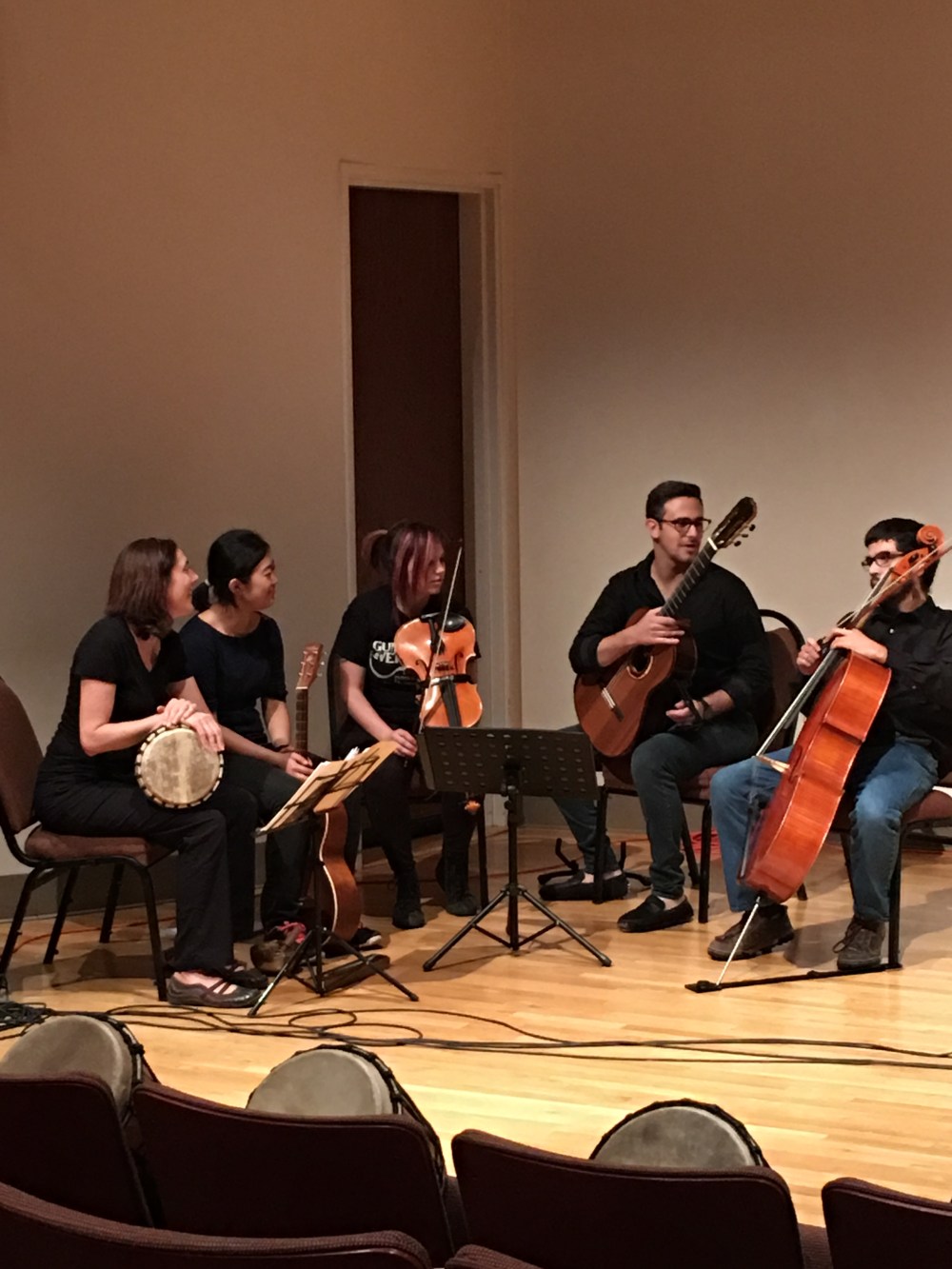
This collaboration starting off with group drumming and continued with our storytelling mixed with selections from The Odyssey. A few musical pieces were played by Guitars for Vets and another veteran, Ahmad Daniels was there as a representative for Veterans For Peace, also sharing his story. I know the event was scheduled to conclude with audience engagement, sort of a Q&A opportunity. I only stayed for the Odyssey performance as I had another engagement in the afternoon and with today being my daughter’s birthday, I wanted to make headway Saturday on some other issues I’ve currently slacked on.
The theme of the performance was homecoming and I am quite thankful the event started with the group drumming. While I did not choose to drum (I am embarrassed by my lack of rhythm) the sounds that filled the room reminded me of the wonderful performance given by citizens of Sao Vicente when I visited Cape Verde in high school. My peers, teachers, and I landed to a beautiful musical performance at the airport that reminds me still music is a thread shared globally; we may not always understand each other’s words and actions but music binds us in such a spiritual way.
I loved being reminded of a place that was my home for a short period of my life. Three weeks may not be an eternity but it’s sufficient time to be welcomed as a stranger, treated like a daughter, and remembered as a friend. I am forever grateful for that experience and everyone who welcomed us into their country, their homes, and let us savor their culture that we might never have experienced in our lives had our paths not crossed.
The airport in Sao Vicente
I think I was better able to embrace my role as a participant yesterday feeling like I was welcomed to this group much like how I was welcomed into Cape Verdean life.
My cohort of veterans included an ASU professor, my close friend and fellow ASU student, and a future student. For our individual tales, we provided the audience a better glimpse of ‘homecoming’ as experiences shaped by individual perception and built a bridge that homecoming is not exactly a single finite moment in time, but a process. I focused on the more immediate aspects of coming home to family tragedies and feeling like I did not fit into my life stateside.
I think a vital part of the construction of this storytelling was how well Robin Rio and her students shaped the music performance. I met Robin back in the fall of 2014 when I started my graduate degree at ASU. She is an Associate Professor with the School of Music and the Director of ASU’s Music Therapy Clinic. I interviewed her to gain a better understanding of ASU’s chapter of Guitars for Vets.
Looking back, I did not ask great interview questions, but I think we all have moments like that in our lives where our place as students does not necessarily provide us a sufficient lenses to see and understand the larger context of our community because we are also shortsighted about more immediate concerns like passing a class, juggling work, and testing our fit with fellow students. Seeing Guitars for Vets on campus though did inspire me to get out of my comfort zone about trying a musical instrument. I purchased a Taylor guitar awhile back and now, with my reduced commute, can commit more to my goal of learning the acoustic guitar. (Maybe I’ll be able to play a song before the year ends!)
This talented bunch just wow me; there’s so much musical talent in this group. I cannot wait to share the performance so you can understand how beautifully they play.