I’ve Never Kept Up with the Rory Gilmore Reading Challenge

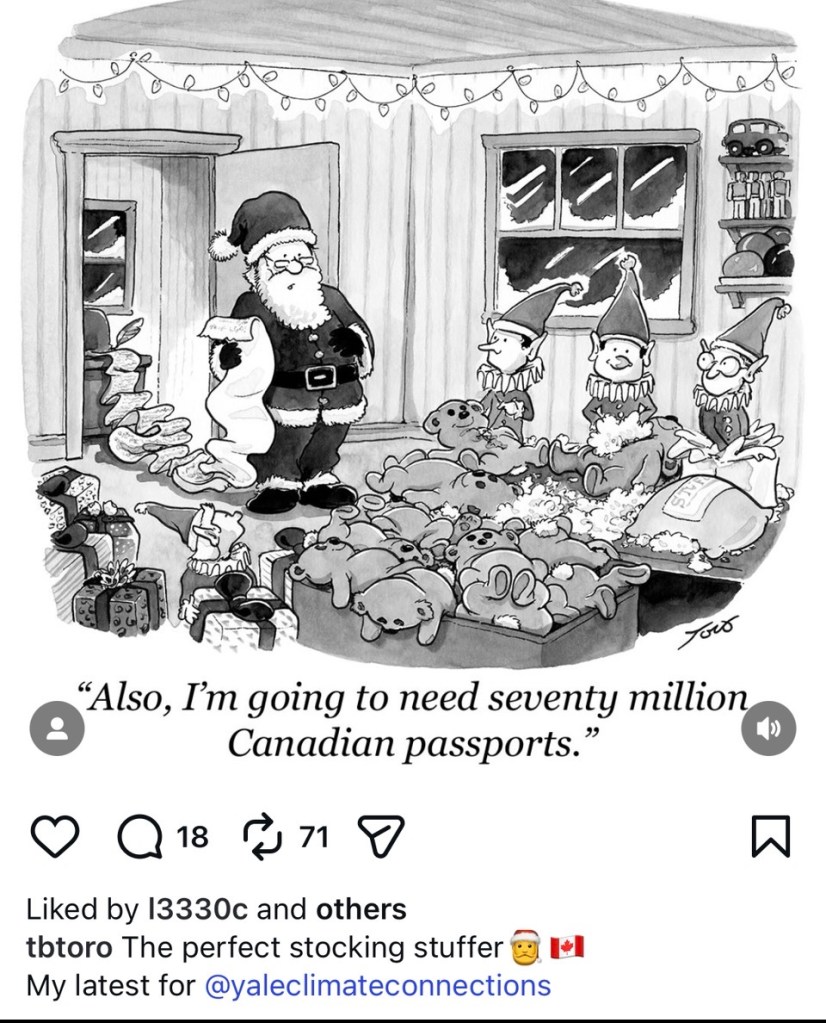
Gilmore Girls became my biggest companion during terminal leave–the show filling a void left behind when I no longer congregated daily with people. I became immersed in the small town of Stars Hollow, an imaginary community even smaller than the town I lived in during high school. Rory was–and forever will be–smarter than me. I have no qualms admitting that I never adopted her studious habits although I have considered reading many of the books she’s described as reading or books being associated with the show that have never been in my TBR pile. Apparently, I have a big challenge before me: Goodreads pegged her list just below 400 titles although other sites vary.

If I went back and looked over my life, I guess it’s likely that I’ve read something in that ballpark. I don’t keep all of my books though, and that’s what creates a real challenge for me. Maybe I could be considered a prolific reader even though I am not a fast reader.

This year I’ve taken up a greater appreciation for books from the public library. Not only do I want to reduce how much money I’m spending on books that I might not read more than once, I want to explore books that I wouldn’t have found so easily if I had wandered into a bookstore. Librarians are amazing people, and it is hard to see their world treated like garbage because many on the right have strong opinions against topics and books they find controversial. These professionals are my main points-of-contact for finding non-American, immigrant, and first generation American authors and I love their collections of cookbooks to hone my culinary skills. (Cookbooks are expensive!!!) My life is monumentally improved because these individuals studied library and information science for their career choices and their knack for designing the layout of my local spaces means it’s fun to wander my favorite sections and also to rush to the array of new books for a more unexpected find.

Reflecting on my admiration for the show (for the most part!), I think I am most appreciative of who Rory is as a learner. In this regard, I speak of her life outside of school and not her struggles to keep up with the Chilton students who have more experience with rigorous academic curriculums. We don’t get the full details on how she’s amassed her sizable book collection given her mom’s modest income, but there is a scene where she’s hunting for books at a massive town sale that gives me the idea the community book sales likely played a role. Getting books for cheap (or borrowing heavily from the public library) is a blessing I think we should all appreciate. Learning should always be accessible. (Side Note: Because I did not notice any books in the show with spine labels complete with Dewey Decimal markers, I think Rory’s books are either purchased or gifted to her or she gets school copies to return at the end of her classes.)

To go back to the show referenced reads for a minute, here are books I know with certainty I have read at some point in my life:

  1. The Great Gatsby by F.Scott Fitzgerald
  2. To Kill a Mockingbird by Harper Lee
  3. The Diary of a Young Girl by Anne Frank (I’ve read it two or three times)
  4. Fahrenheit 451 by Ray Bradbury
  5. Of Mice and Men by John Steinbeck
  6. Charlotte’s Web by E.B. White
  7. Lord of the Flies by William Golding
  8. The Lovely Bones by Alice Sebold
  9. The Outsiders by S.E. Hinton (love it)
  10. The Grapes of Wrath by John Steinbeck
  11. Great Expectations by Charles Dickens
  12. The Iliad by Homer
  13. Beowulf
  14. Night by Elie Wiesel (How anyone can deny the Holocaust after having read his story or about Anne Frank I will never know.)
  15. I Know Why the Caged Bird Sings by Maya Angelou
  16. Angela’s Ashes by Frank McCourt (I loved Angela’s Ashes and hated ‘Tis)
  17. Wicked: The Life and Times of the Wicked Witch of the West by Gregory Maguire (I’ve read all the Wicked books…love them all)
  18. Flowers for Algernon by Daniel Keyes (one of the most life changing books I’ve ever read)
  19. The Canterbury Tales by Geoffrey Chaucer
  20. Swann’s Way by Marcel Proust (I powered through it over a few years and I can see why Rory’s mother, Lorelai, gave up on it! It’s exhausting to read for the most part, and then there are moments of brilliance.)
  21. The Odyssey by Homer
  22. Shakespeare’s Sonnets by William Shakespeare
  23. Stuart Little by E.B. White
  24. My Sister’s Keeper by Jodi Picoult (honestly, each book of hers I’ve read has been wonderful)
  25. The Story of My Life by Helen Keller
  26. A Separate Peace by John Knowles
  27. The Crucible by Arthur Miller
  28. Stiff: The Curious Life of Human Cadavers by Mary Roach (I don’t recall seeing this in the original series or the revival, but since it’s included from the list I reviewed, I will keep it listed for now.)
  29. Walden by Henry David Thoreau
  30. Sophie’s Choice by William Styron

How much of Shakespeare’s works outside of her sonnets I read from high school is murky for me. I don’t recall if we read the other works described in Gilmore Girls in their entirety or in selected pieces, so I am not including them here.

I went into this blog thinking I maybe only read 5-10 books that were referenced on the show. To have read 30 of them is a nice surprise for me.

We must remember that reading is a personal endeavor. There are some stories we come across in our schools that we like or dislike. There are some stories we might not encounter in our K-12 education system due to book bans and as adults it is our responsibility to think for ourselves about whether we’d like to read them or not. Some of our peers are faster readers and others savor a book like a quiet afternoon sipping coffee at a local cafe. One is not better than the other: the pace we approach reading a book will greatly influence the things we notice in it. There are times we have to consume a book like a meal on the road. Ploughing through a number of textbooks in a college semester is one such example. Sometimes, we’re busy as parents or holding down multiple jobs and skimming a book gives us enough escapism for that period of our existence. Other times, we want or need to slow down. I am in the second season. I’ve slowed down more than intended last year and this year. My health challenges have made even holding a book in my hands uncomfortable at times, and I haven’t yet found a love for audio books the way others do. For that reason, my reading list is shorter but one of great intention.

I might finally have some real answers this week on what’s going on with my body. The news will likely influence my future reading choices much like how physical pain the past year has taught me to appreciate reading as a different form of exercise.

These books aren’t all I’ve read this year. I read a lot of news and my work entails a significant amount of reading each day. If you’re like me and haven’t added a lot of books to your finished pile, don’t feel bad. Reading in all its forms matters. I’m too lazy to tally how many news articles I’ve read and my work involves reading and re-reading a lot of the same internal and external references that shape my work environment.

My 2025 completed reads are as follow, save for The Lupus Encyclopedia. I read most of the book when I was concerned my health woes were this autoimmune disorder.

  1. Dear America: Notes of an Undocumented Citizen by Jose Antonio Vargas
  2. No Two Persons by Erica Bauermeister
  3. No Ordinary Assignment by Jane Ferguson
  4. The Living and the Rest by Jose Eduardo Agualusa
  5. They Will Tell You the World is Yours: On Little Rebellions and Finding Your Way by Anna Mitchael
  6. Investigating Lois Lane: The Turbulent History of the Daily Planet’s Ace Reporter by Tim Hanley
  7. Year of the Tiger: An Activist’s Life by Alice Wong
  8. The Comprehensive Whiskey Course: A Comprehensive Tasting School in Ten Classes by Robin Robinson
  9. The Cemetery of Untold Stories by Julia Alvarez
  10. The Other Significant Others: Reimagining Life with Friendship at the Center by Rhaina Cohen
  11. The Fun Habit: How the Pursuit of Joy and Wonder Can Change Your Life by Mike Rucker
  12. She Followed the Moon Back to Herself by Amanda Lovelace
  13. Let Me Be Like Water by S.K. Perry
  14. In Conclusion, Don’t Worry About It by Lauren Graham
  15. The Death of Expertise: The Campaign Against Established Knowledge and Why It Matters by Tom Nichols

I am currently reading the following:

  1. Wayfinding: The Science and Mystery of How Humans Navigate the World by M.R. O’Connor
  2. The Art of Danish Living: How to Find Happiness In and Out of Work by Meik Wiking

Before I close out today’s entry, I thought I’d mention that I don’t count cookbooks as reads. Cookbooks are valuable reading resources, too, even though I’ve excluded them from my personal book count. The one I’ve read almost in its entirely over the years is Samin Nosrat’s Salt Fat Acid Heat. Of the handful cookbooks I’ve purchased, including this one by Samin, most will devote pages before and after recipes with paragraphs about the origin of the recipe or ingredients or a story about that person’s upbringing. The same is true for most of the cookbooks I’ve borrowed from the library, and it would be considerate of me to carve some reading time for those stories in the same manner I’ve devoted myself to the recipes within those pages.

Wishing you all the best.

~Cheryl
My Home Is My Writing Space

Good morning, everyone. I am checking in with you all before I start work. Today is a WFH day (yeah). I love starting my morning off with more of a leisurely pace. My new position has allowed me more freedom to work towards completing the first draft of my memoir. I work from home three days a week, giving me an extra hour before my shift to tackle my writing project. My goal is to complete the first draft in October. A desired concurrent goal was to also re-do all the OIF 2-2 casualty data I lost from a previous computer, but I am becoming more aware it’s better suited to a project that runs concurrent to editing my memoir drafts.

Drawing inspiration from Rooms of Their Own: Where Great Writers Write by Alex Johnson, I am letting you all take a small peek at my current home, my preferred writing space. My new home is filled with more natural light than than any of the homes my husband and I have purchased before; it also has more natural light than any of our rental homes, which have been journaling spaces but not any place where I’ve taken up memoir writing. I’ve also occasionally written in my working spaces, but those are brief pockets of break time that only permitted me, at best, a paragraph or two towards my project.

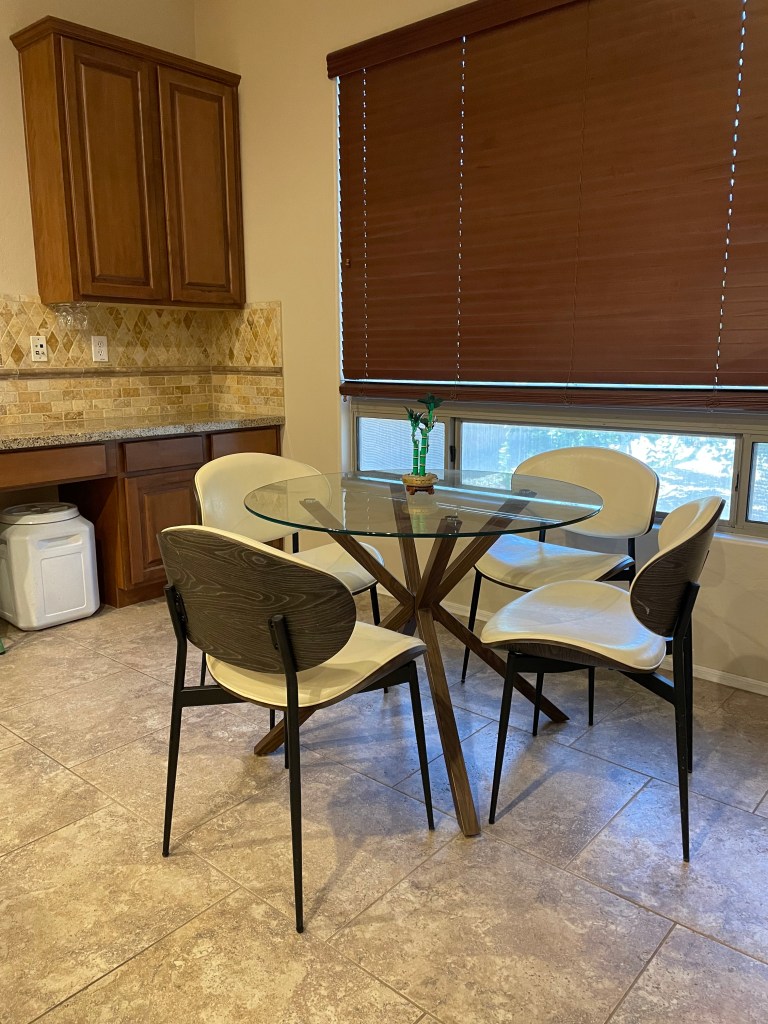
My current home is equipped with a large rectangular dining space that is opened to the living room and within sight line of our kitchen, but my preferred “public space” of the home to write in would be this breakfast nook. I like having the large window behind me. My preference is to write with natural light, but I’ll write in the evening parked under can lights or a ceiling pendant when the task requires it.

I draw a lot of inspiration for my writing from other books. You can learn a lot about what shape you want your memoir to take when you read other memoirs. A big decision I came to was not to use my memoir as a place to bitch about exes and family dysfunction. There might be a moment to share something that speaks to grief and stepping into my own potential due to being let down, but I’ve cringed at how I’ve seen other women left raw emotions in their memoirs instead of taking the necessary time to step away from the experience and learn from it. The two memoirs that made me cringe are Maid by Stephanie Land and Shade It Black: Death and After in Iraq by Jessica Goodell and John Hearn. Instead, I’ve found the way someone unpacks their past with critical awareness is someone I want to learn from; two of my favorites: Mary Pflum Peterson’s White Dresses: A Memoir of Love and Secrets, Mothers and Daughters and Jane Ferguson’s No Ordinary Assignment (still reading it currently). Once I complete my memoir draft, I’ll probably share a list of key books that helped me accept being vulnerable in my writing and those that have helped me improve my actual writing skills. (Dialogue writing is still a weakness of mine; I don’t like putting words in people’s mouths from memory.)

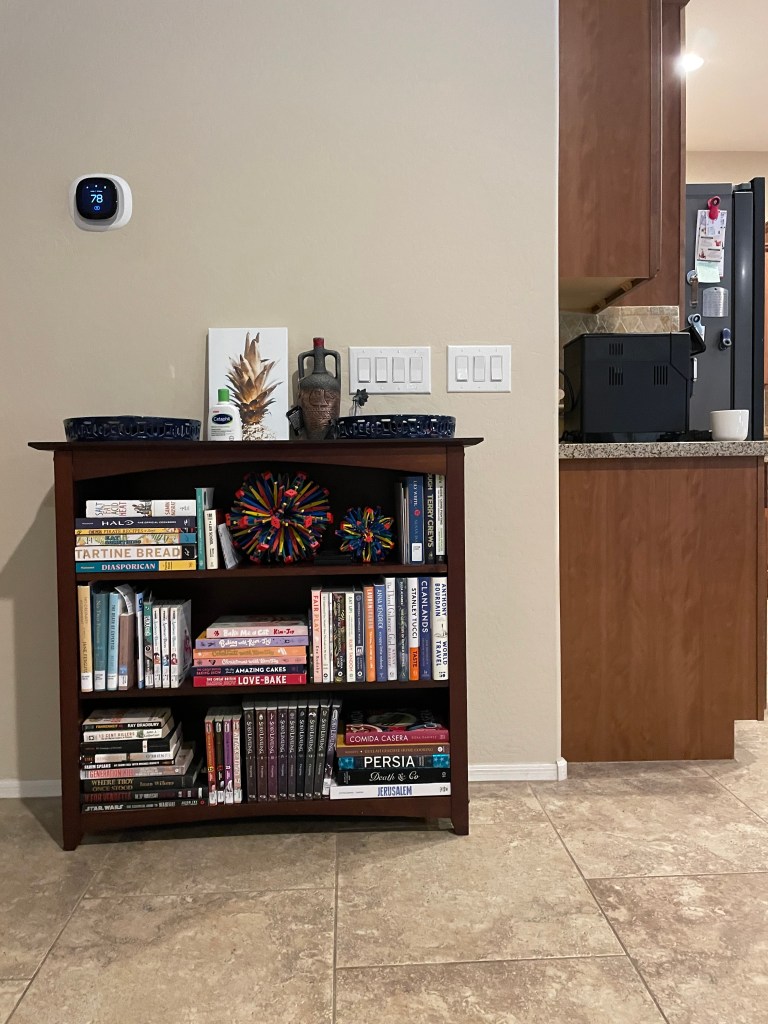
My family bookshelf includes cookbooks, a mixture of fiction and non-fiction works, and a rotation of library books.

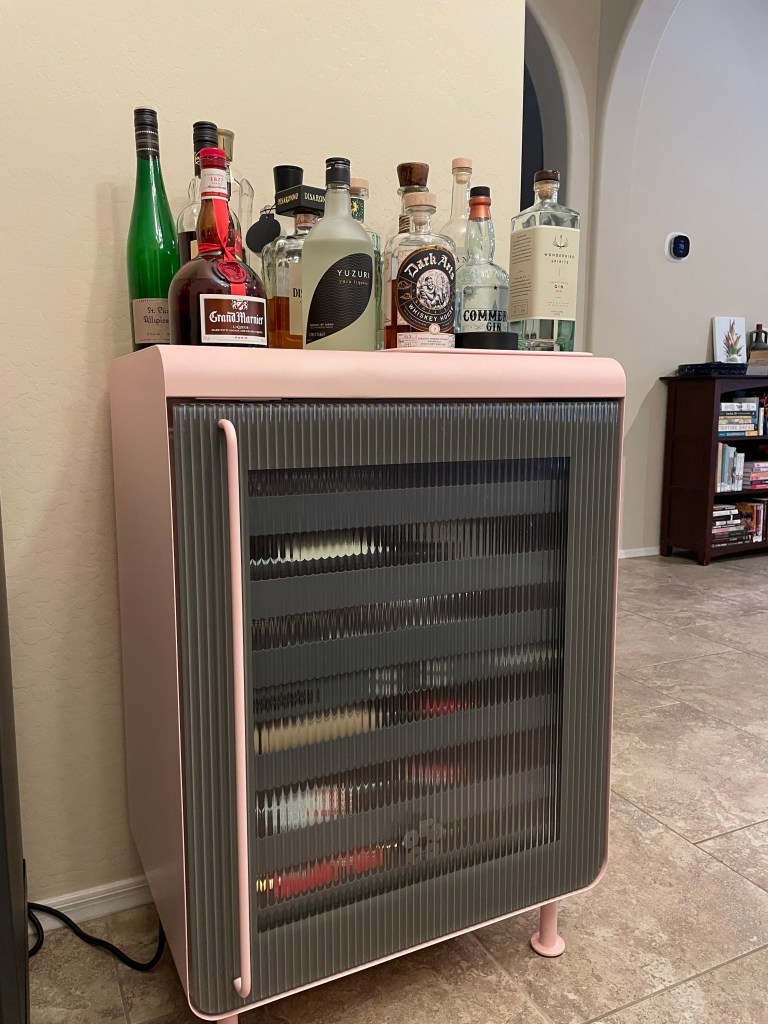
I will admit, like a lot of writers, I also like a glass of something special while I write. Don’t judge! We had the option of purchasing a larger, less expensive wine fridge, but we went with a smaller, retro look Rocco fridge instead. We like the space on top for the bigger bottles and the different zones within allow us to balance the needs of wine, beer and non-alcoholic beer, and a few bottles of spirits. This won’t necessarily be a good fit for those concerned about kids getting into alcohol. We don’t have any little ones running around (save for a high drive Belgian Malinois). Our teenager is also incredibly responsible, and unless we notice a change in her behavior, we trust that we can leave our alcohol setup as is.

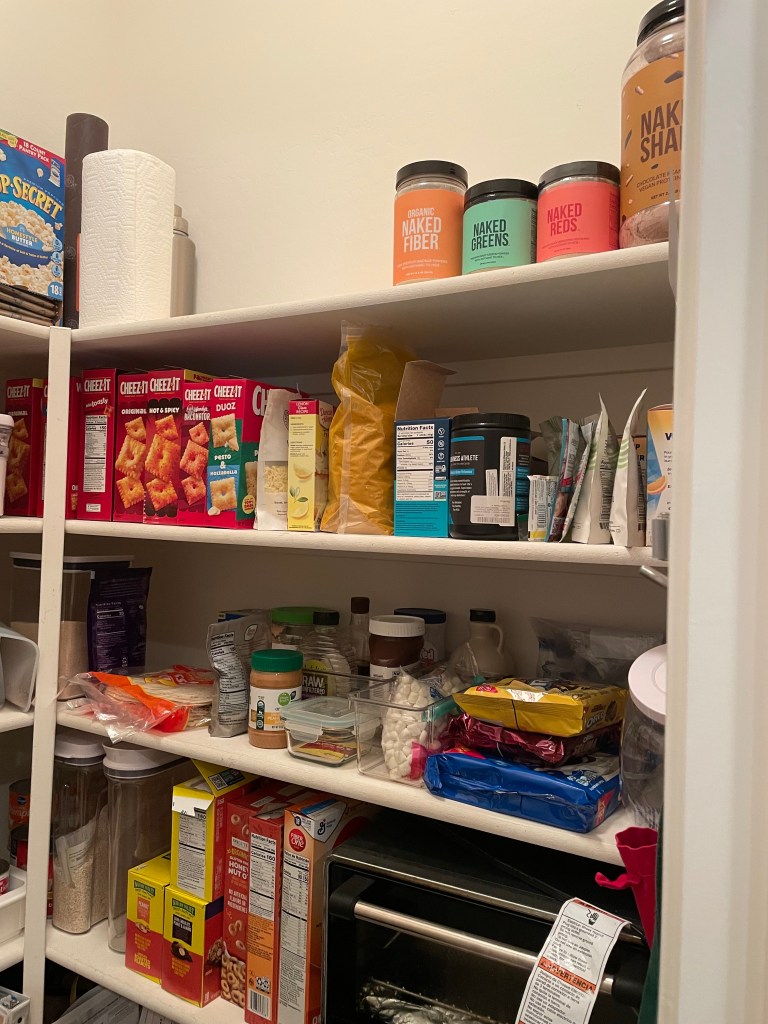
Last thing…every writer needs a snack of some sort. Our new pantry is decently sized. As time permits, I’d like to obtain a quote to make better use of the space, but this is a small peek at what we’ve got going on here. It’s not abnormal for us to have multiple boxes of Cheez-It’s and at least two flavors of Oreos in stock. The pantry is in less of a state of identity crisis compared to last year when we moved in. Out of sight, I have most of our flours lined up together; the salty snacks (olives, pickles, etc.) grouped in a bin; and chips usually end up together as neighbors.

Thanks for dropping in for a quick check-in. I only have a minute minutes left to spare before my paid job commences for the day, so it’s time for more coffee and a quick moment to organize.

Wishing you all the best.

~Cheryl
A New Beginning

Just over a month has past since I left my position with the Department of Veterans Affairs, and I’m liking my newfound settings. I was a presenter today for my new organization, not adding a whole lot to the overall day’s activity with the one PowerPoint presentation, but I was honestly surprised just how many questions were generated off my suggestions.

I carried a lot of doubt with me into my new position. It’s hard not to–I served veterans for the bulk of the past twelve years. As each new day gives away to another, I am starting to see it has all been quite relevant. I’ve gotten so used to laws changing every year that I look for the little tweaks that have the biggest impact. Today, I discussed with the lawyer present in the room how I didn’t have the interest or stamina to put myself into the legal field but my public work is adjacent to it and I feel I found my calling. A calling more natural to me than serving veterans. When I cared for my previous population, I often struggled to separate myself out for the situations they were in; I guess pretty normally that one veteran would want to keep another veteran from struggle. In my new role, I don’t have names and faces that I serve; I look at them as a giant group who need my respect, diligence, and patience to build a better system of tools to access benefits, understand their performance tools, and so forth.

Like my work with the VA, I will remain closed lipped on my current employer. Should we later terminate this working relationship, I will likely discuss my work with greater reflection on lessons learned, salary, and so forth.

Today’s blog entry was really a lot of sharing that I am happy and in the best paying position of my career. I’ve never earned six figures, and it’s wild, scary, and empowering. I get to see all my hard, unpaid (excluding VA education benefits) efforts in school and struggling through periods of underemployment helping me build a better legacy for my family.

Stepping out of veteran-centric spaces, I don’t know where the future of this blog will go. Maybe a name change will be in order. Maybe a new focus will reveal itself. For the time being, I will continue my quest to write monthly and be a voice of strength and encourage others to pursue their wildest (legal) dreams.

Before I close out for the day, a health update is in order.

My newest rheumatologist thinks my health problems are a lupus cousin, Sjögren’s, although I haven’t noticed the most common symptoms. She is also looking at the possibility of small fiber neuropathy. We still have work ahead of us, so right now, I am just accepting the summer heat is my best source of managing pain and choosing to not donate blood whenever blood donation opportunities come up since I don’t know if it’s safe for me or any potential individuals needing a blood donation.

Take care and I’ll try to drop in again in August.

Sincerely,

Cheryl
Saying Goodbye to My Federal Employment “Dream Job”

Last month I forgot to check in with you all—my sincerest apologies might not mean much as I’m a stranger to most of you all, but I try to keep my “appointments” with you. A friend date of sorts is how I’ve tried to start treating my writing check-ins.

For those who have also kept up with checking in, you’ve seen me struggle with how the Trump Administration has treated federal employees. The stress since he returned to office runs the spectrum: some people barely notice him and others have had their jobs ripped away from them. Adding to the situation is the complicated feelings within families regarding values. My heart truly goes out to my fellow federal employees who lost their positions only to face the insult of family members cheering on this slash and burn approach to reducing the federal government. Many within the federal government would also tell you there are more efficient ways to do things, but cutting jobs before assessing what they actually contribute to public safety and services puts the public at risk that negates whatever reduction in spending resulted from it.

I was also stunned that the message was “reduce federal government spending” while rolling out the Deferred Resignation Program. These two short-term objectives are directly in opposition to each other and then the mixed messaging associated with DRP added other challenges as agencies sorted out what roles qualified—a kind of reverse sorting hat than the one in the Harry Potter films and books. Instead of asking ourselves what traits suit someone to a particular house (or job), the agencies have had to ask themselves in whittling down their forces per the Reduction in Force guidelines thrust at them what jobs are more valuable to the mission and what has the appearance of redundancy. I won’t say what jobs are redundant, because as our society has grown it was wholly necessary to increase the federal workforce to provide more services and more timely services.

I had a great local team in my current role who have helped enable me to keep my position while navigating my current health challenges. My supervisors never stood in my way of the medical appointments I needed and I had the open door policy to ask any myriad of questions to be better at my job. With choosing to leave, I feel it’s safe to open up about the type of work and why I’m leaving.

For just over two years, I’ve made the Department of Veterans Affairs my home and just last year I became a Rating Veterans Service Representative (RVSR). I would review claims for disability compensation, and I loved a lot of what I was tasked with to serve our nation’s veterans. This is the job I started chasing down years ago. I thought critically about what I’m leaving behind: a supportive coach and assistant coach, coworkers and friends I care about, and a meaningful mission.

So what happened?!

The return to office order added challenges to my quality of life. Although I am continuing a workup for lupus, I have the mental energy to keep working. What I needed was a reasonable accommodation to telework under my old arrangement because the cold of the office environment and extra physical activity increase the severity and frequency of body pain I’m dealing with currently. We occupy GSA-leased buildings and are prohibited from using space heaters at work. We also have limited parking, so the employee parking lot was limited to more senior employees based on service computation date. I found an alternate parking arrangement, but it does mean more physical activity that worsens my symptoms.

I started the reasonable accommodation process back in late February and when it was still lingering close to the return to office date, I even asked for an interim RA at the start of May. The request was still lingering when I inquired about it last week.

I am fortunate my coach and assistant coach were willing to hear me out on my frustrations and understand why I am leaving. The hope is my complaint and departure lights a fire for positive change.

I am working through the background check for a new hybrid position that has employee parking on site that should allow me to better manage my symptoms, allowing me to retain employment on par with my education and career background. For now though, I am working on getting my home and wardrobe in order for the new position and trying to relax a little amid this originally unplanned career departure.

—Cheryl
Dreams & Nightmares

Have you ever dreamt about losing teeth?  I mean, really losing teeth?!

For a number of years, I frequently experienced nightmares about losing lots of teeth all at the same time.  It wasn’t just teeth simply falling out but looking at my face seeing bloody gums and teeth coming out in handfuls.  Most of the time, it was like I had rows of  teeth like sharks do; I would freak out in the dream watching these teeth falling into my hands.  Those dreams are a big part of why I am creeped out when little kids lose their teeth.  I am the kind of person who is disgusted seeing kids with big gaping holes where teeth should be.  Blah.  (My daughter’s only lost a few teeth but I am not looking forward to when she is missing two or three teeth in a row.)

After beginning my graduate degree in 2014, my dreams shifted.  I started to experience nightmares around midterms and finals.  This change started my first semester in graduate school and instead of teeth falling out, my nightmares focused on military service.  I am not surprised.  I was working full-time with active duty personnel, veterans, and their family members while studying issues tied to military and veteran communities.  The last nightmare I recall occurred after graduating last spring.  When I am particularly stressed though I still dream about being back in the Marine Corps.

Last night I had one of those dreams.

It wasn’t complicated or anything.  I knew I was back in Iraq and I was showing a fellow Marine how to inspect her gas mask.  The only “conversation” I remember is reminding her (like you have to do with people in general) that the gas mask carrier is not to meant to store other things (extra rounds, food, etc.).  It may sound silly but people will do it.  In the dream I was stressed knowing my daughter was missing me; she’s never been away from me for very long and it was difficult to know my departure caused her grief.

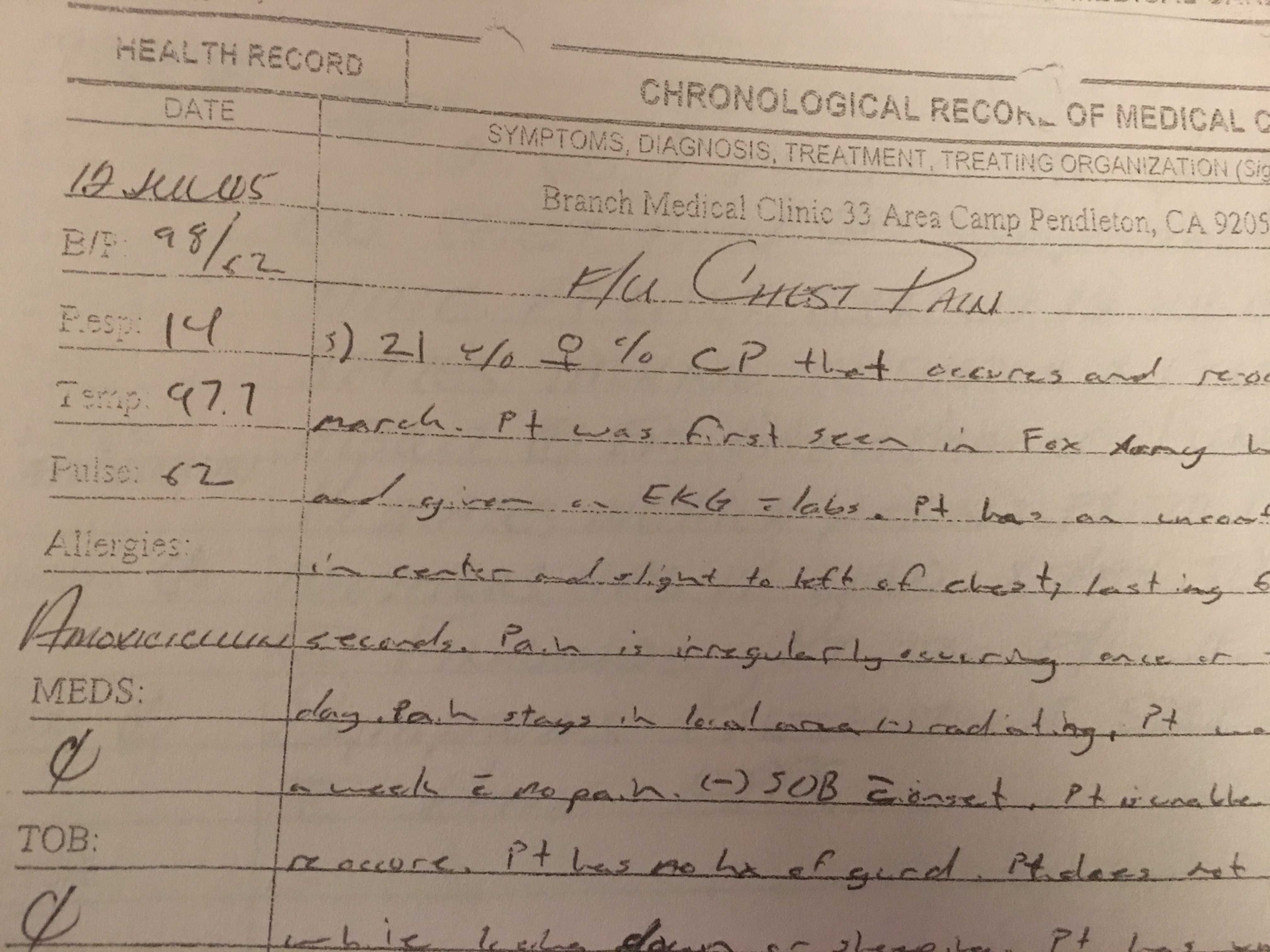
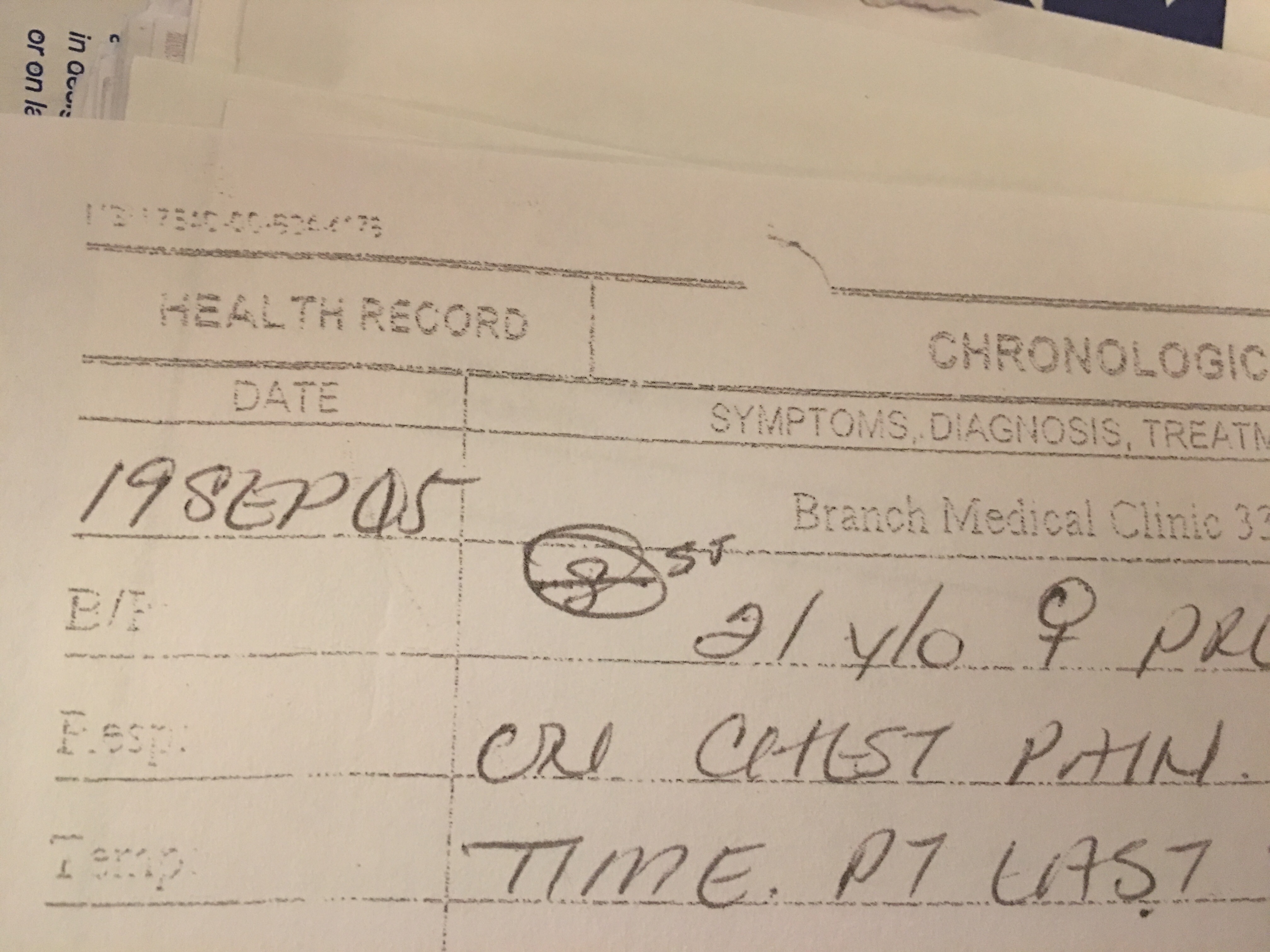
Today has been a difficult day as I’ve had on and off again chest pains.  I find when I dream about being back in the Marine Corps, chest pains often become part of the daily packaged experience.  I struggle at times to stay focused when the chest pains last for a long duration.  Today the pains felt like someone kneeling repeatedly on my chest, like it “normally” does for longer episodes of chest pains.  When I experience the shorter pains, it tends to feel like a stabbing pain.  Those types of pains were more typical the first few years after my chest pains began.  (The pain today didn’t dimish significantly until after lunch today and started shortly after 8 am.)

For the most part, I tend to listen to music to keep my focus when I know the chest pains aren’t going away.  I like listening to music anyways while I am working so it’s nice to be in a position where I am not frowned upon to be “distracted.”  I am also not interrupted in my work the way I was in my past student facing position so it’s becoming easier to listen to multiple playlists throughout my day. (Yeah!!!)

My musical tastes are somewhat sporadic and typically I’ll listen to some country, pop, and rock throughout the day. I’ll jump from country to pop to rock depending on what I’m feeling with the songs.  If I need to calm down I’ll find some good country songs.  When I need some energy I’ll listen to pop songs and when I need to feel like I can accomplish anything, I definitely listen to rock.  Haha.

—————————————————————————————————————————————–

Today’s songs included:

Last Call (LeAnn Womack)

The Way I Feel (12 Stones)

I Wonder (Kellie Pickler)

Room to Breathe (You Me At Six)

The Heart Won’t Lie (Reba McEntire and Vince Gill)

Angels Fall (Breaking Benjamin)

We Are Tonight (Billy Currington)

Erase My Scars (Evans Blue)

That Don’t Sound Like You (Lee Brice)

Stories (Trapt)

Beautiful Disaster (Kelly Clarkson)

—————————————————————————————————————————————–

I know the likely source of my current stress is upcoming fireworks, namely consumer use of fireworks.  Starting on June 24th, my fellow neighbors are permitted to use fireworks and can use them until July 6th, and I know from past experience plenty will use the illegal mortar tubes ones.  The $1,000 possible fines are not enough of a deterrent to keep people from using them.

The good news is I have another coping tool in my toolbox this year.  While I cannot determine when my neighbors will use fireworks, I now know when permitted public fireworks displays will occur in my local area.  I didn’t know this notification was possible until I was startled by a public display in late May and reached out to the Town of Gilbert’s Fire Department on the matter.  From there, I was connected with the main fireworks company so I could get on their notification list and the Fire Department notifies me when other companies have fireworks displays around my home.

I would encourage other veterans who experience anxiety and panic attacks as a result of fireworks displays to see if their municipality also offers a similar service.

Fingers crossed I don’t have any more chest pains tonight or dreams about being back in the Corps.  That’s all I need for a good Friday night.

~Cheryl
Pre- and Post-Deployment Health Assessments: Modern Deployment Exposures and Experiences From an Iraq Veteran Perspective

IMG_2428

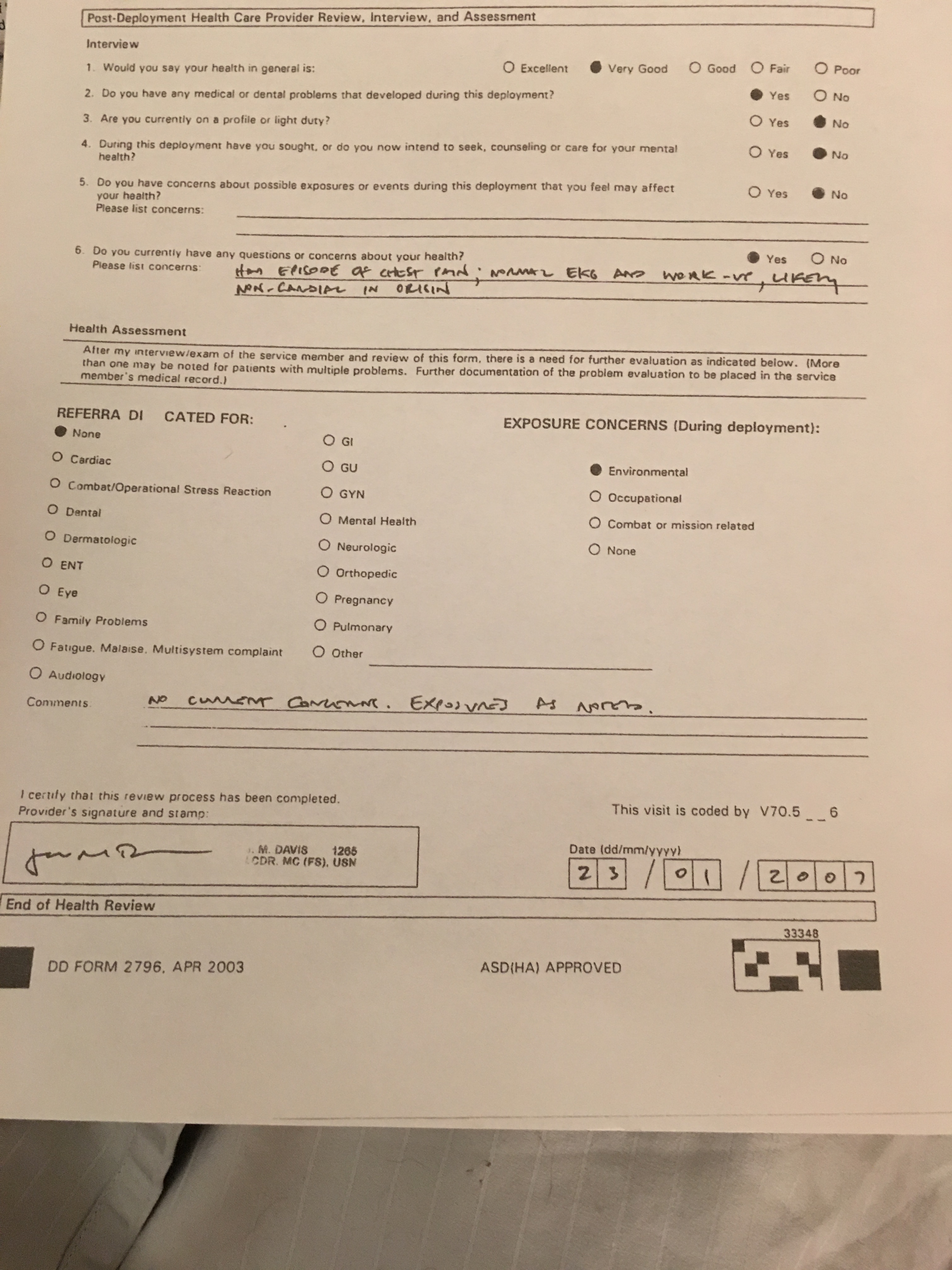
Last week, I heard back from the VA.  Yet again, they don’t consider my chest pains to be service-connected.   This reality kind of floored me.  I actually opened up to them in my December 2016 claim and while it might sound silly to say such a thing, in 2007, I kept things simple.

I didn’t tell them about Captain Brock dying.  I didn’t tell them about my kind of work.  I didn’t emphasize my exposure to mortars, although that information was part of what I listed in my records about different types of exposures while in the Marine Corps.  Back then, I was dealing with chest pains and I knew I didn’t have them before I served.  They started at the tail end of my first deployment, continued after I returned, and remained a part of my life through separation.  I just needed the VA to understand at my point of separation the chest pains were still ongoing and I felt they were related to my service in Iraq in OIF 2-2.
FullSizeRender (2)FullSizeRender (3)

If I had realized what a miserable experience it is dealing with the VA on the disability compensation side of the house, I think I would have pushed harder to find the right medical support while I was in.  For the few times I was willing to subject myself to medical about this condition, every person wrote ‘non cardiac origin’ for the pains but no one wrote in a diagnosis or suggested getting additional feedback on my situation.  What’s more infuriating is the parts where it reads ‘exercise induced stitch.’  Seriously, in the twelve years I’ve dealt with these pains only the primary care provider I’ve dealt with most recently has delved further into this issue and offered different suggestions because the pains were getting to the point they were destroying my quality of life during waking hours and would interrupt my sleep.

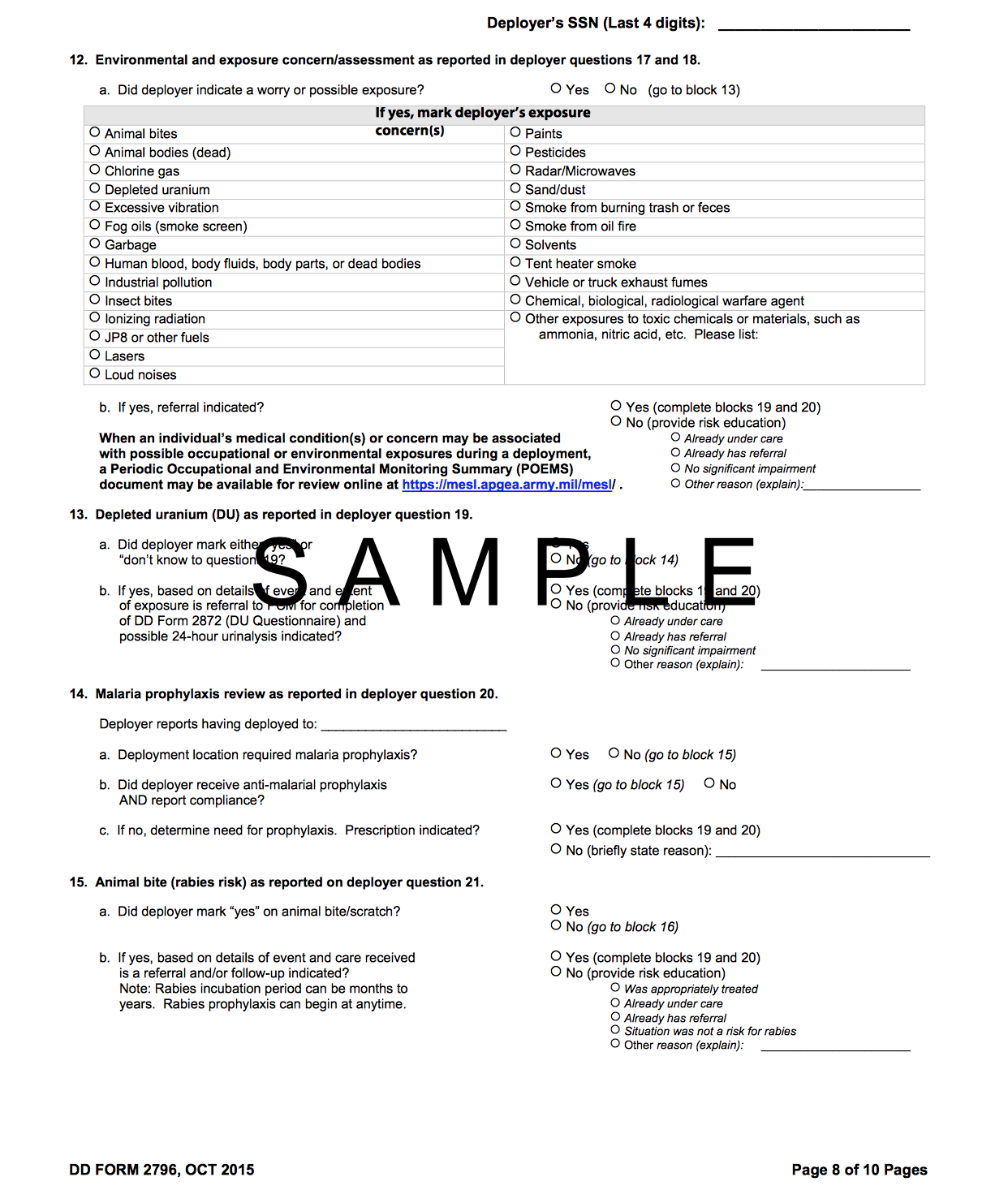
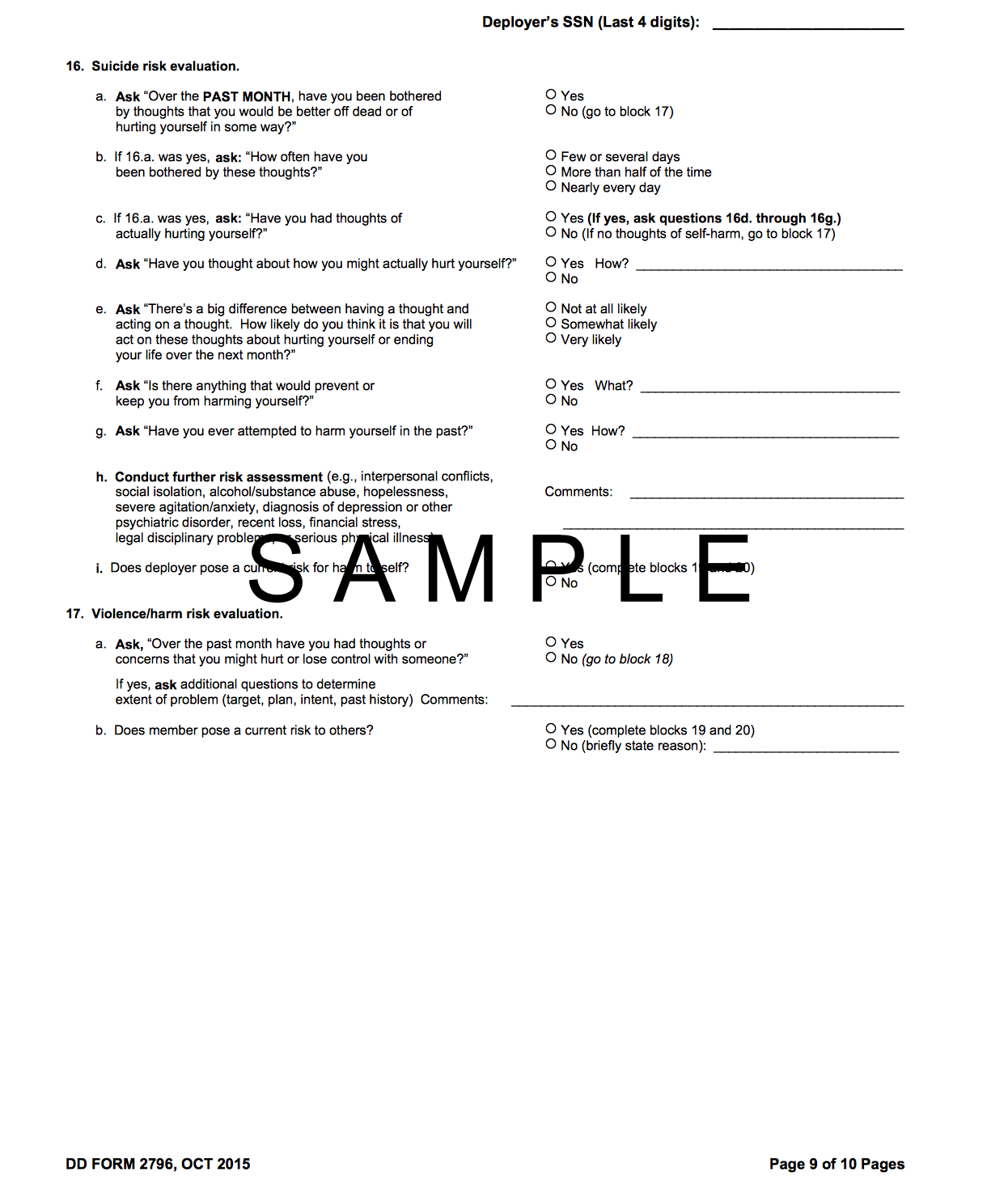
For over a year now I’ve wanted to have a conversation with you all about the Pre-and Post-Deployment Health Assessments and I think with this other VA encounter, I have the right foundation for this discussion.

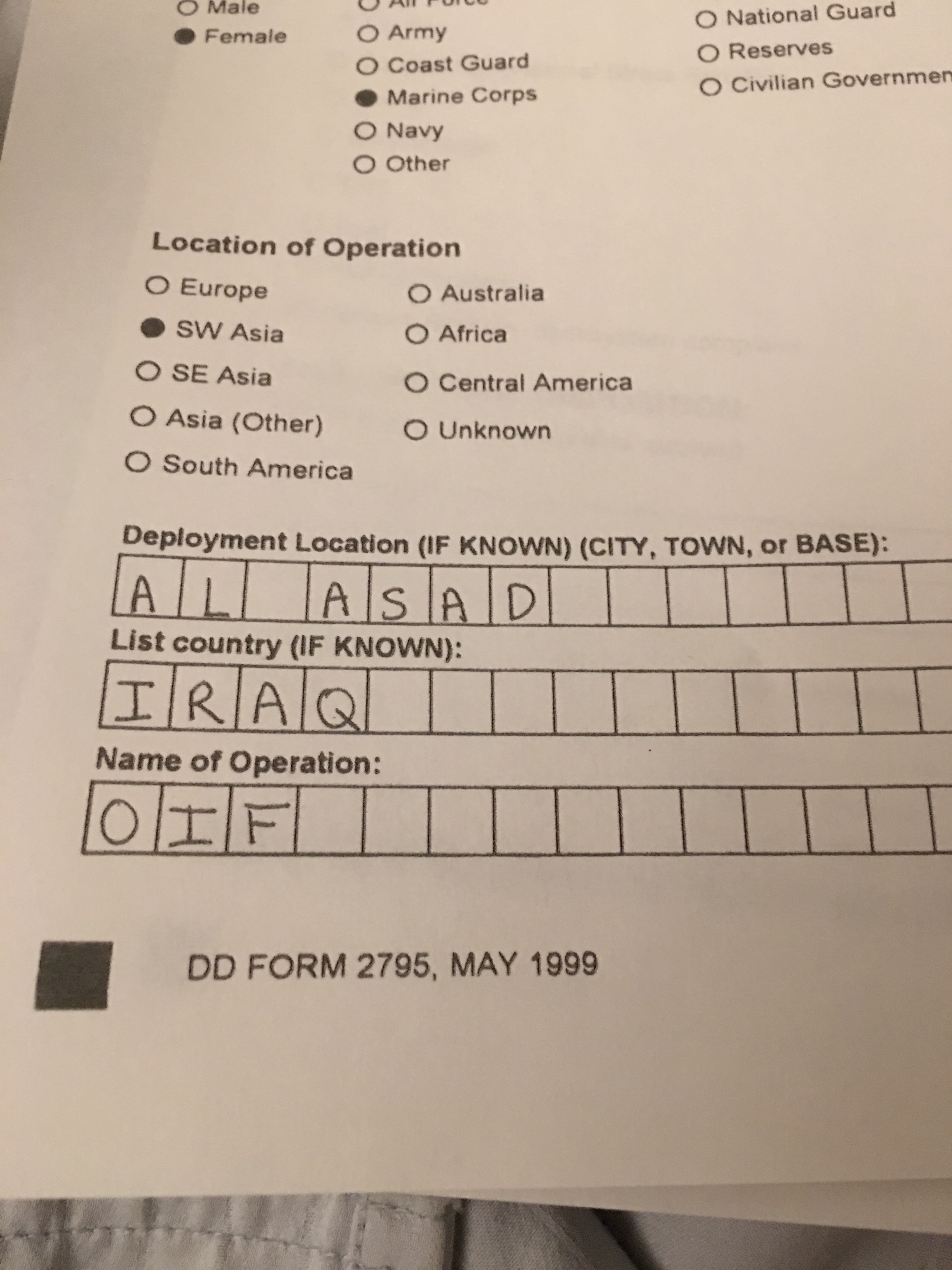
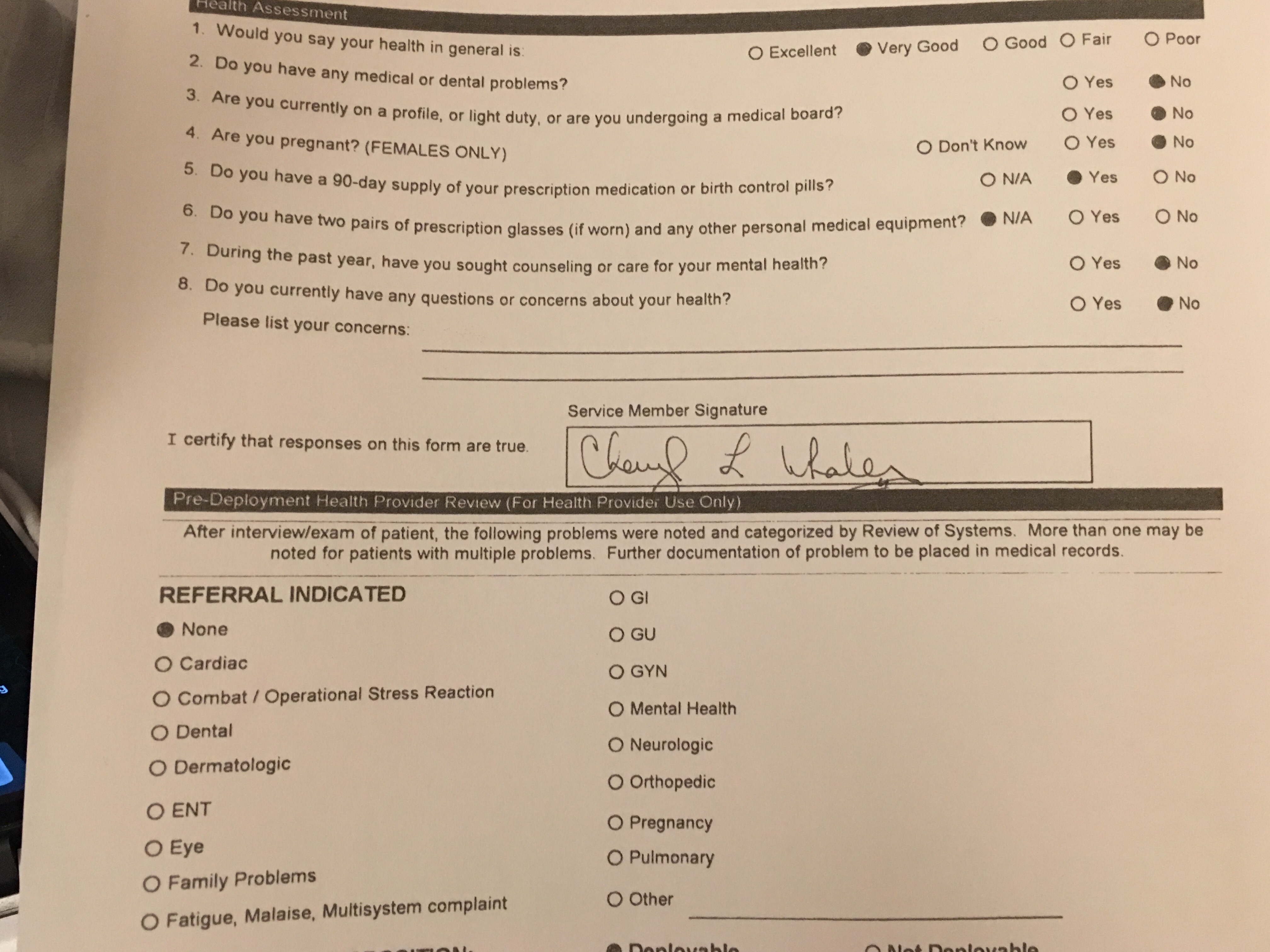
The VA does not know our deployments the way we do and part of the problem is also the way the system requires ticking off boxes, ineffectually asking and not asking the right questions.  The forms we complete do not necessarily represent the types of situations we may encounter; let’s be honest here, the VA will never have records from the Marine Corps and/or the US government that 175 United States service members died during my deployment and these numbers best represent the information I was feed every day as part of my work in our operations center. I only know this information because I was determined to find a way to discuss my deployment, to shed light on other aspects of war no one seems to look closely at but is an important job all the same. I am only privileged to know this much of the extent of my deployment thanks to Military Times data.

In cases like mine my work was classified secret so how was I suppose to honestly fill out the forms?  As well, even if I could be honest, there also is not a sense of privacy to complete the forms properly not that I would have trusted completely it in full disclosure.  On my first deployment, I was the only woman on my team so I felt implied pressure to not be the “weak link” and during the second deployment a lot of stress from the first deployment crept up that I was not willing to discuss with my command.  Nor was my situation helped by the fact my chest pains occurred on deployment and yet again, no real resolution came out of getting them checked out.

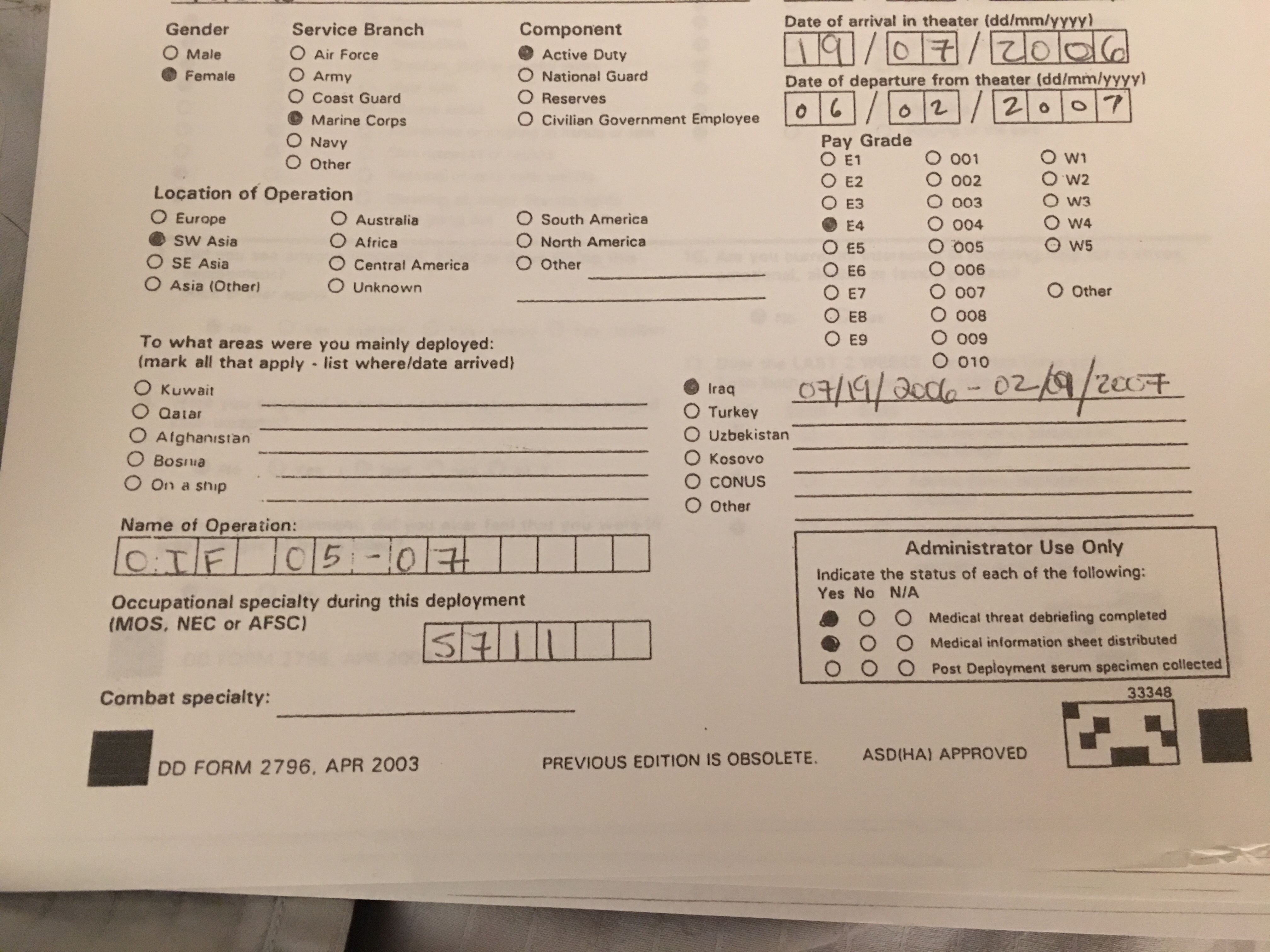
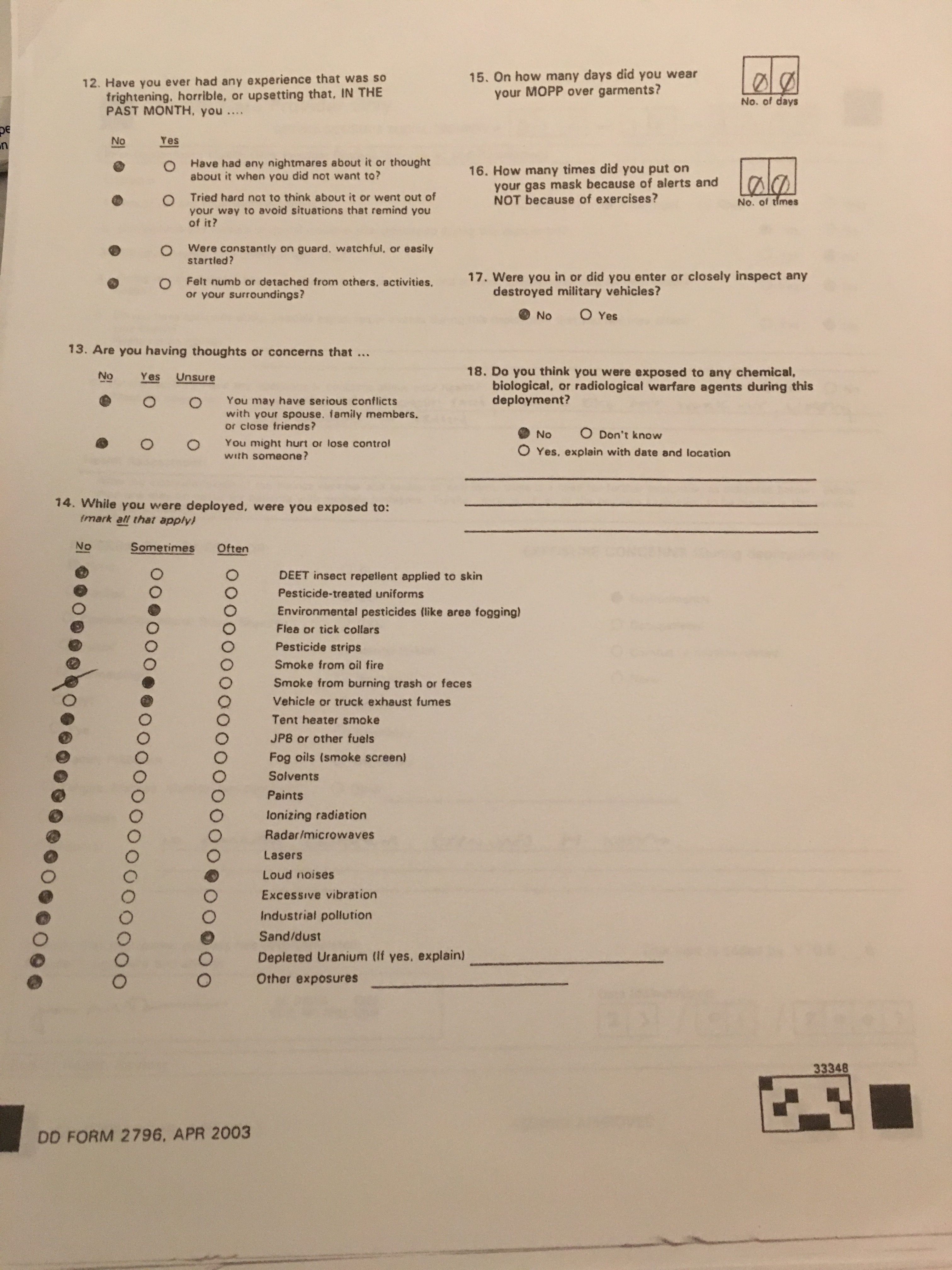
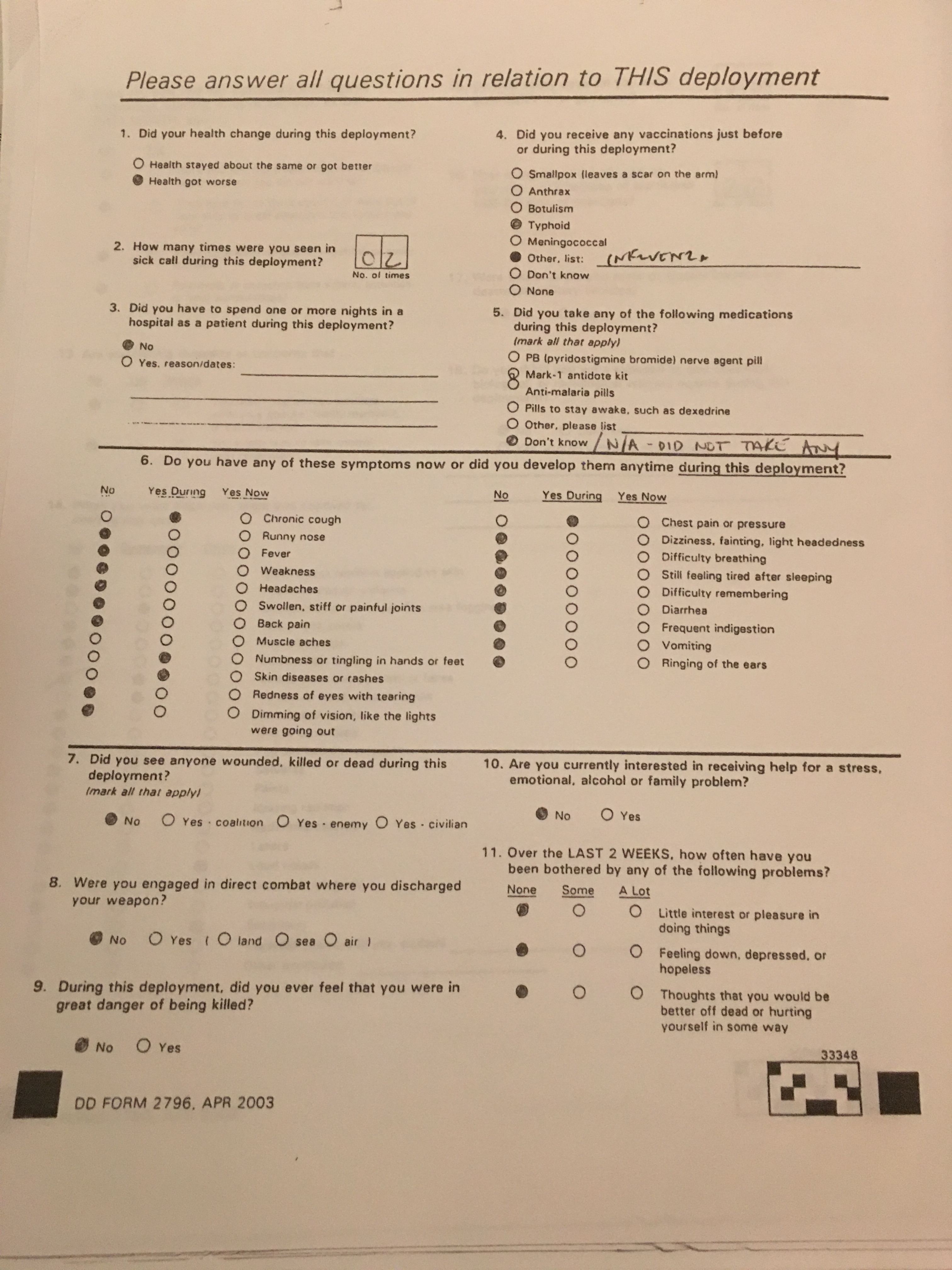
My apologies I currently do not have snapshots of my first deployment paperwork.  eBenefits is being quite a disappointment and again not allowing me access to my military records.  The next time it’s available, I’ll try to download all my copies so I can share those details with you.  For now though, we can press forward using information from my second deployment documentation, the pre-and post-deployment health assessments.

FullSizeRender
This form was filled out on July 11, 2006

FullSizeRender (1)
It’s kind of funny I still had my maiden name on my pre-deployment health assessment.  I was already married by then.

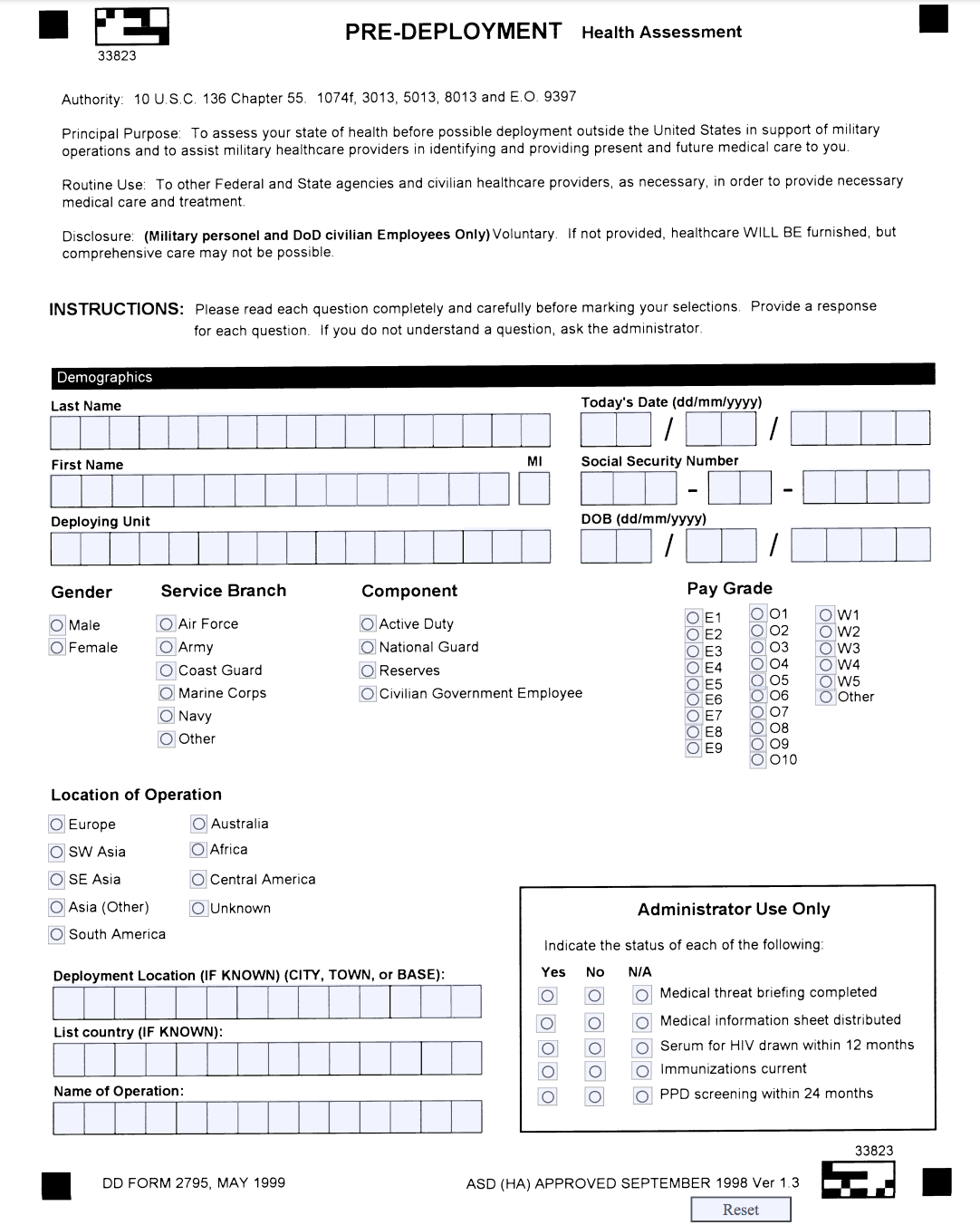
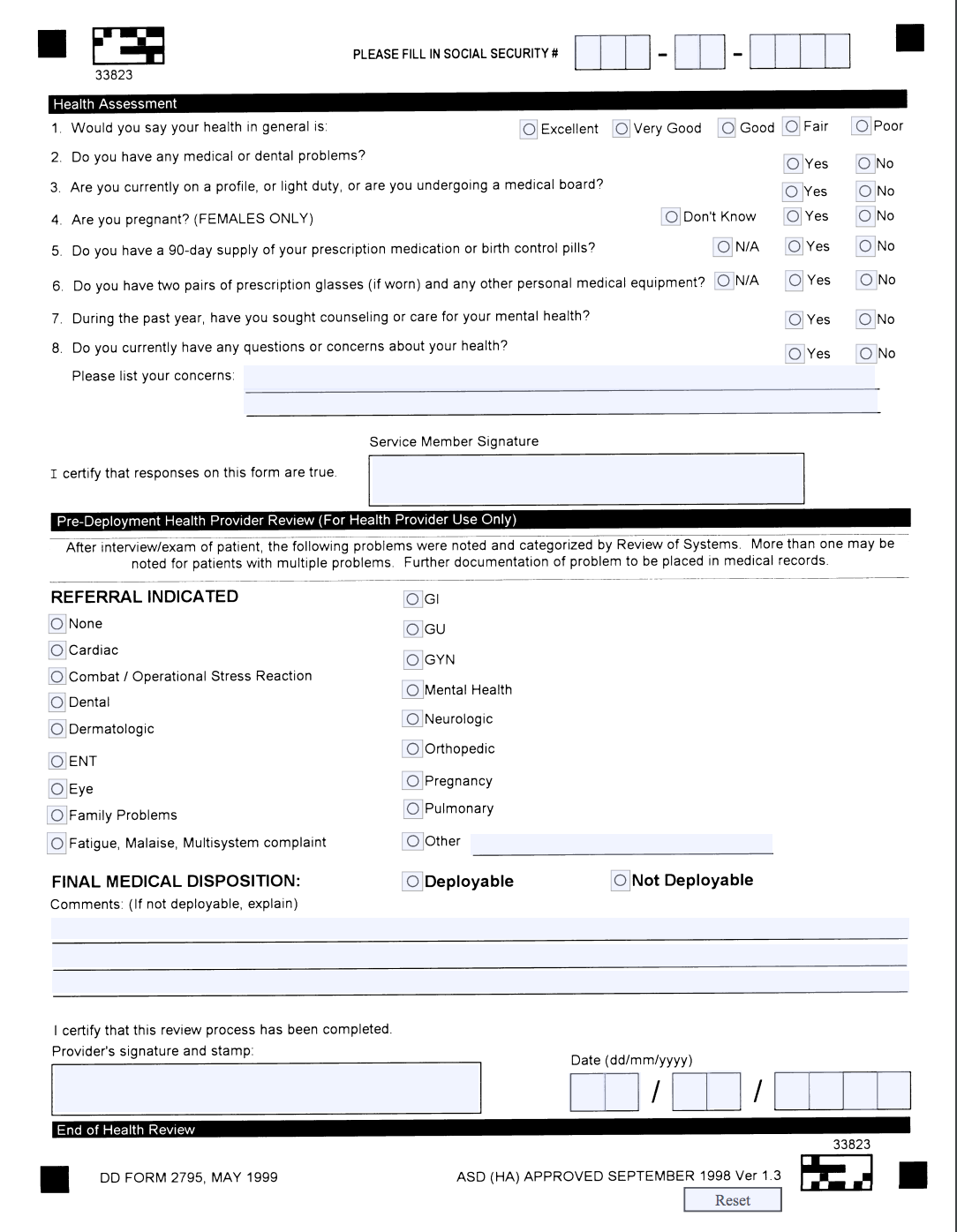
I’ve cut off segments of the documentation as my copies contain my Social Security Number but for greater clarity on this issue, below are fuller snapshots of the pre-deployment health assessment form that existed during my period of service.

Screen Shot 2017-04-27 at 8.46.00 PMScreen Shot 2017-04-27 at 8.46.18 PM

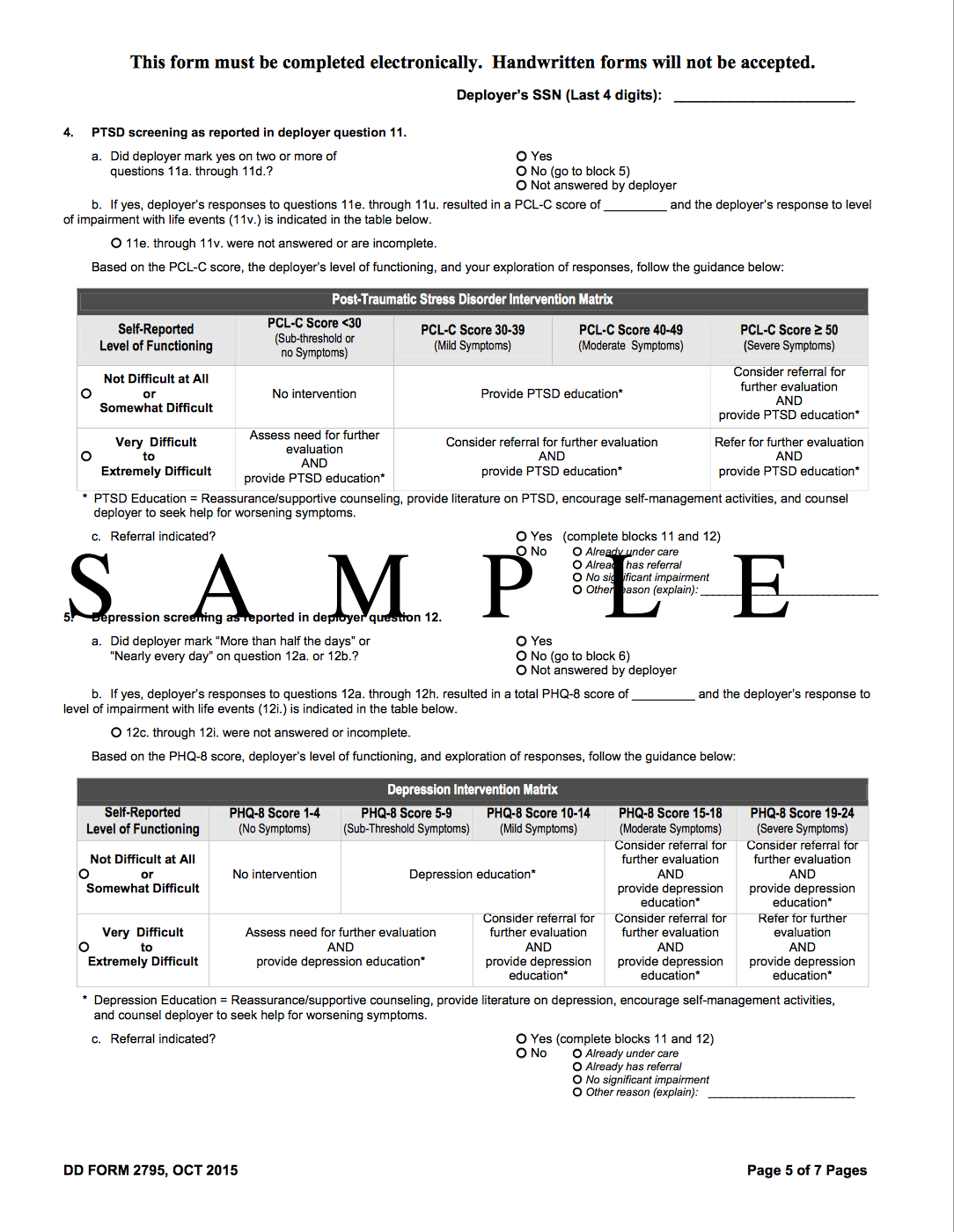
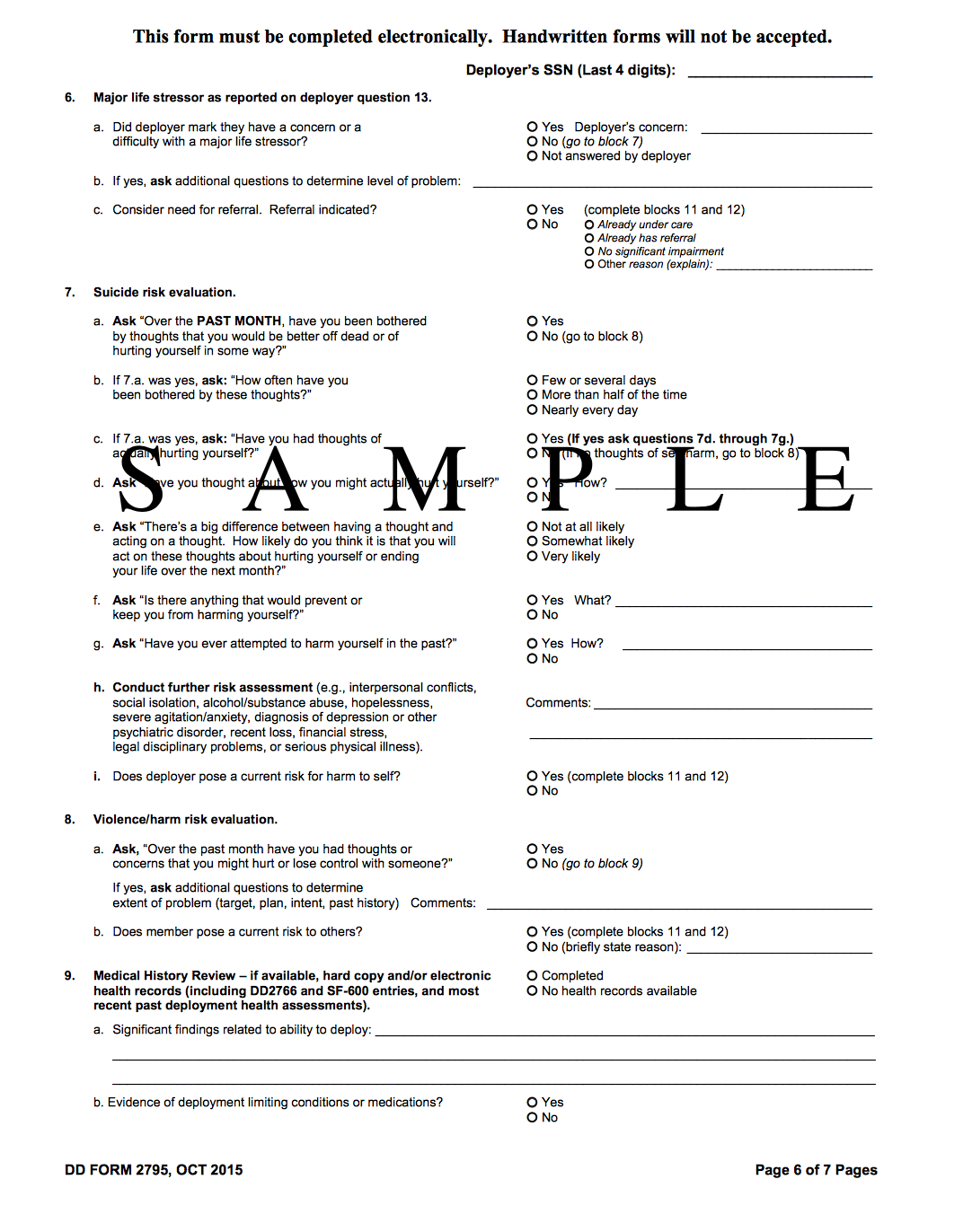
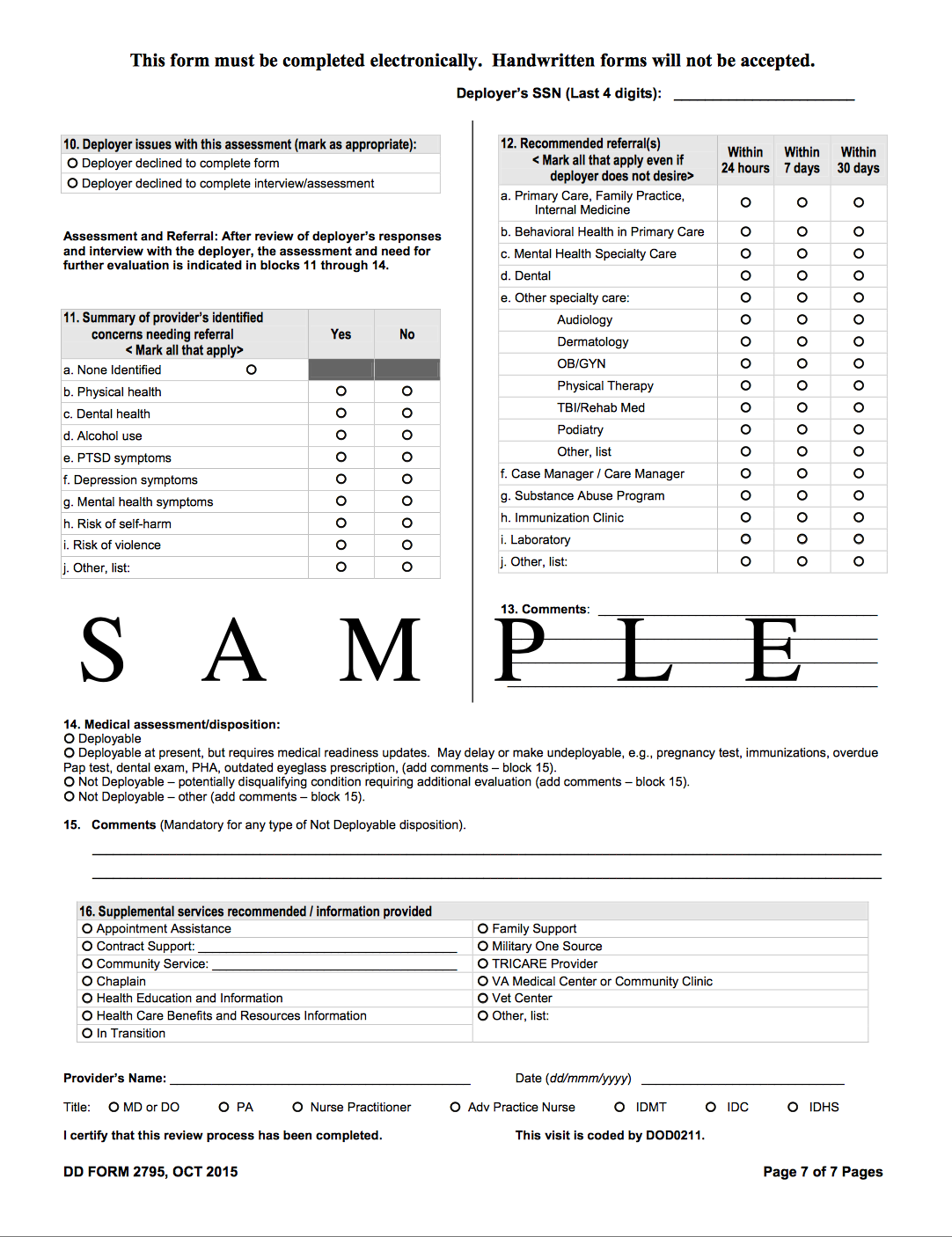
Below is the updated version of the Pre-Deployment Health Assessment Form:

Screen Shot 2017-04-27 at 10.24.08 PM.png

Screen Shot 2017-04-27 at 10.24.40 PM

Screen Shot 2017-04-27 at 10.25.35 PM

Screen Shot 2017-04-27 at 10.26.10 PM.png

Screen Shot 2017-04-27 at 10.27.00 PM.png

Screen Shot 2017-04-27 at 10.27.37 PM

Screen Shot 2017-04-27 at 10.28.03 PM.png


The revamp of the Post-Deployment Health Assessment is also of great concern to me, and I think all veterans of this era should consider how the inadequacies of the earlier form shape what sort of service/deployment experience is considered valuable, dangerous, and potentially traumatic.  The forum in which service members were offered to complete their forms is equally as important.  I can remember completing the first form in a classroom with a number of guys, classroom style as though we were taking an examination for a grade.  It was really a matter of “everyone’s got to do it”.  You fill out your form by hand and turn it back in.  You don’t want to get called out for your answers and you just want to make it back home.

I don’t recall completing the Post-Deployment Health Assessment at the end of my second deployment but most of the handwriting is distinctly mine; there are only a few segments where the medical personnel filled in information.  Coming home was very rushed that time.  I can remember meeting my husband and his mother and sister at the Sheridan, Wyoming airport but I cannot remember who picked me up in California.  I remember having issues with my military gear being stuck on the conveyer belt and an older gentlemen picking up my pack like it was nothing, hoisting it up so I could tuck my arms into the shoulder pads and settle it on my back.  (To everyone who was part of my transition home, I do not make this statement about not remembering your support lightly.  Coming home was that much of a blur.  I didn’t have a moment to catch my breath and will still say that process didn’t start until I left 3rd MAW in late May 2007 for terminal leave.)

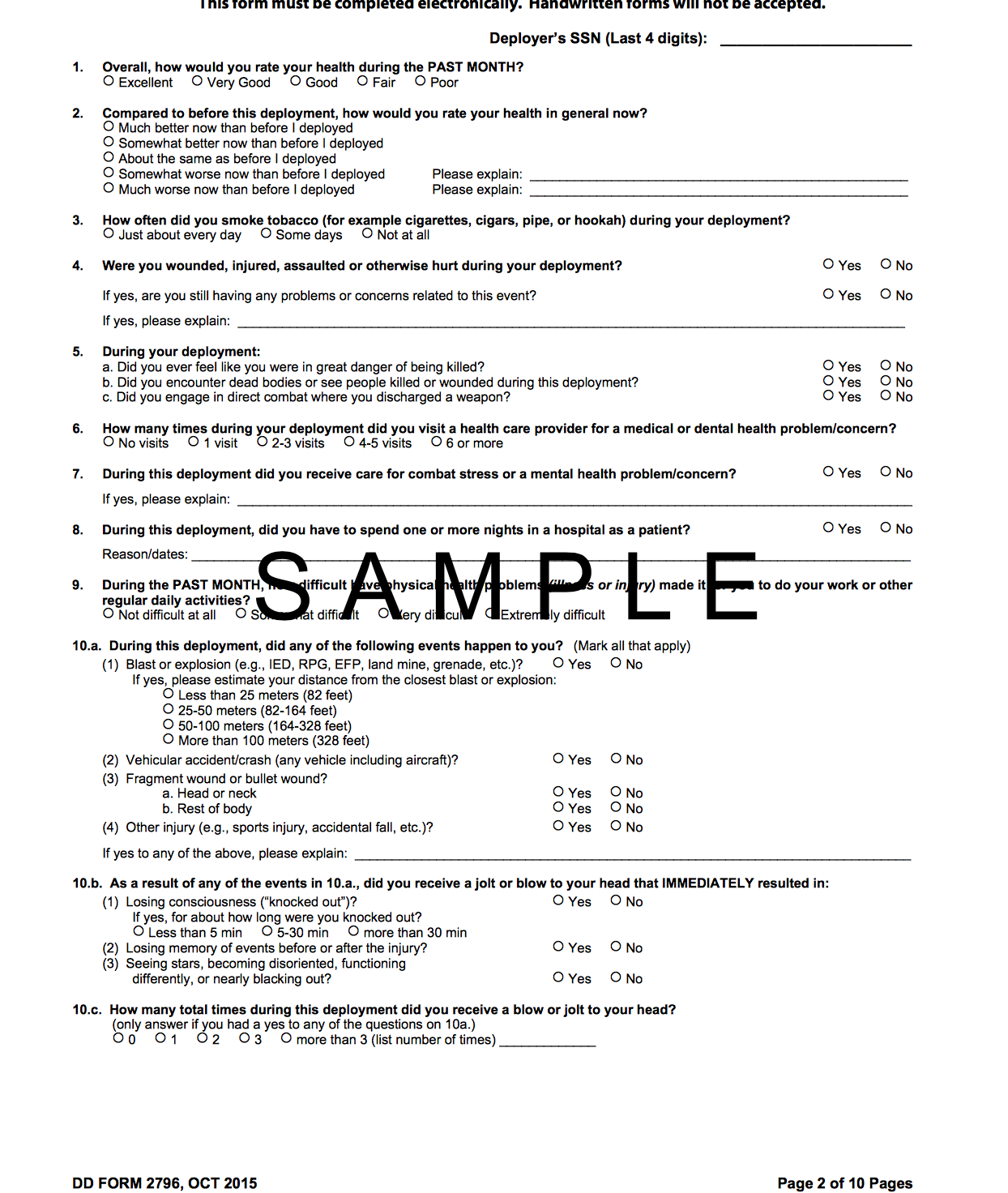
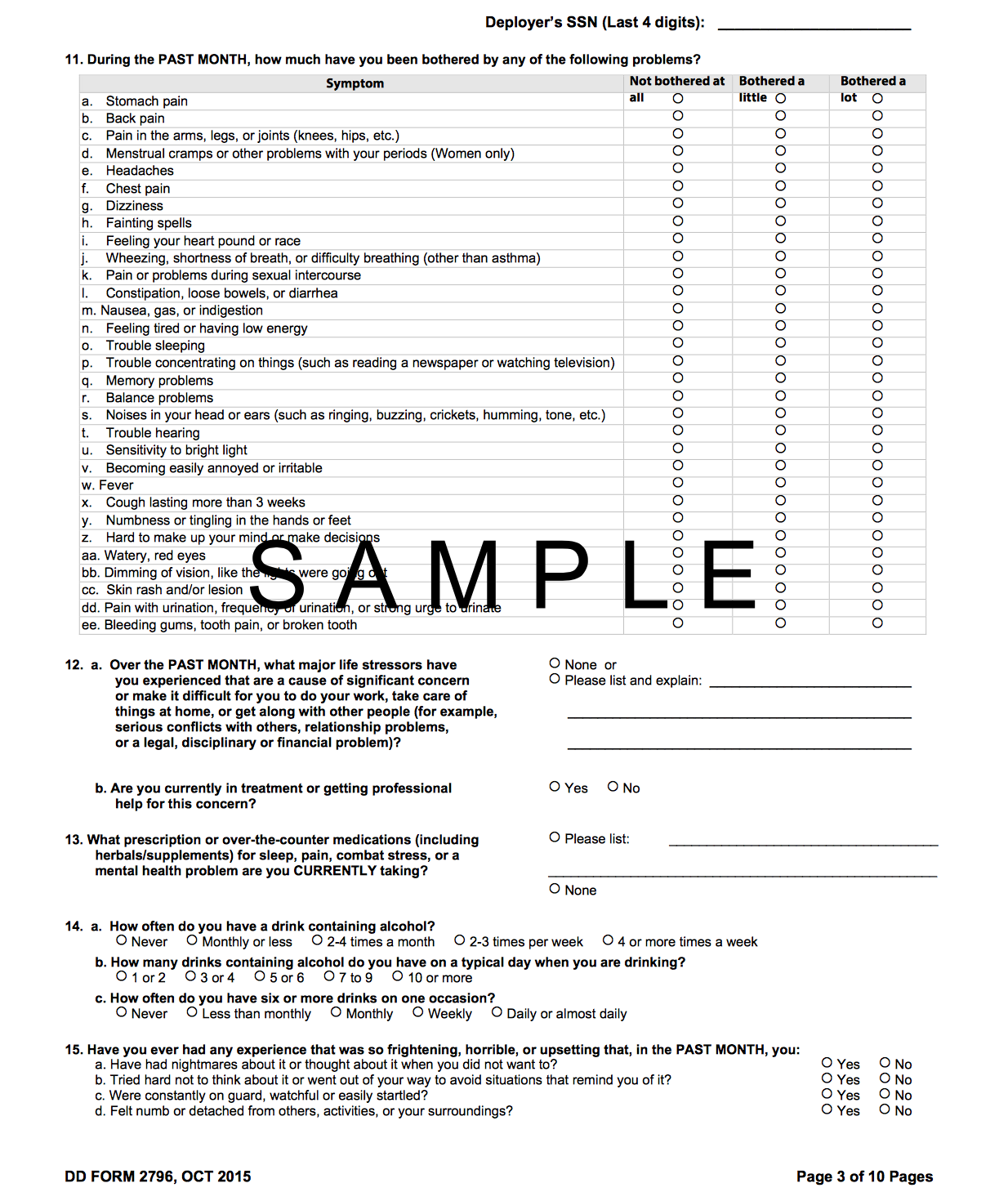
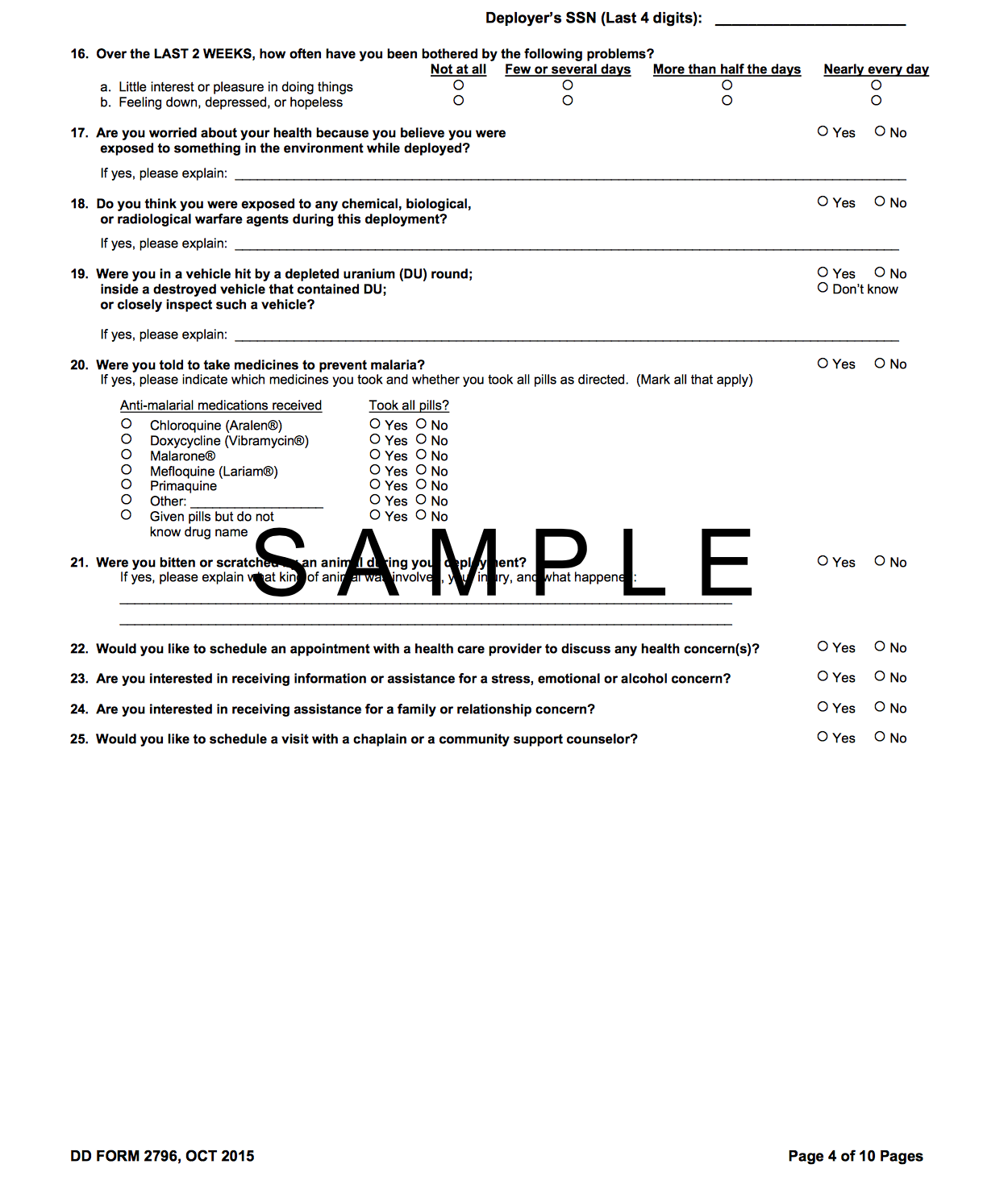
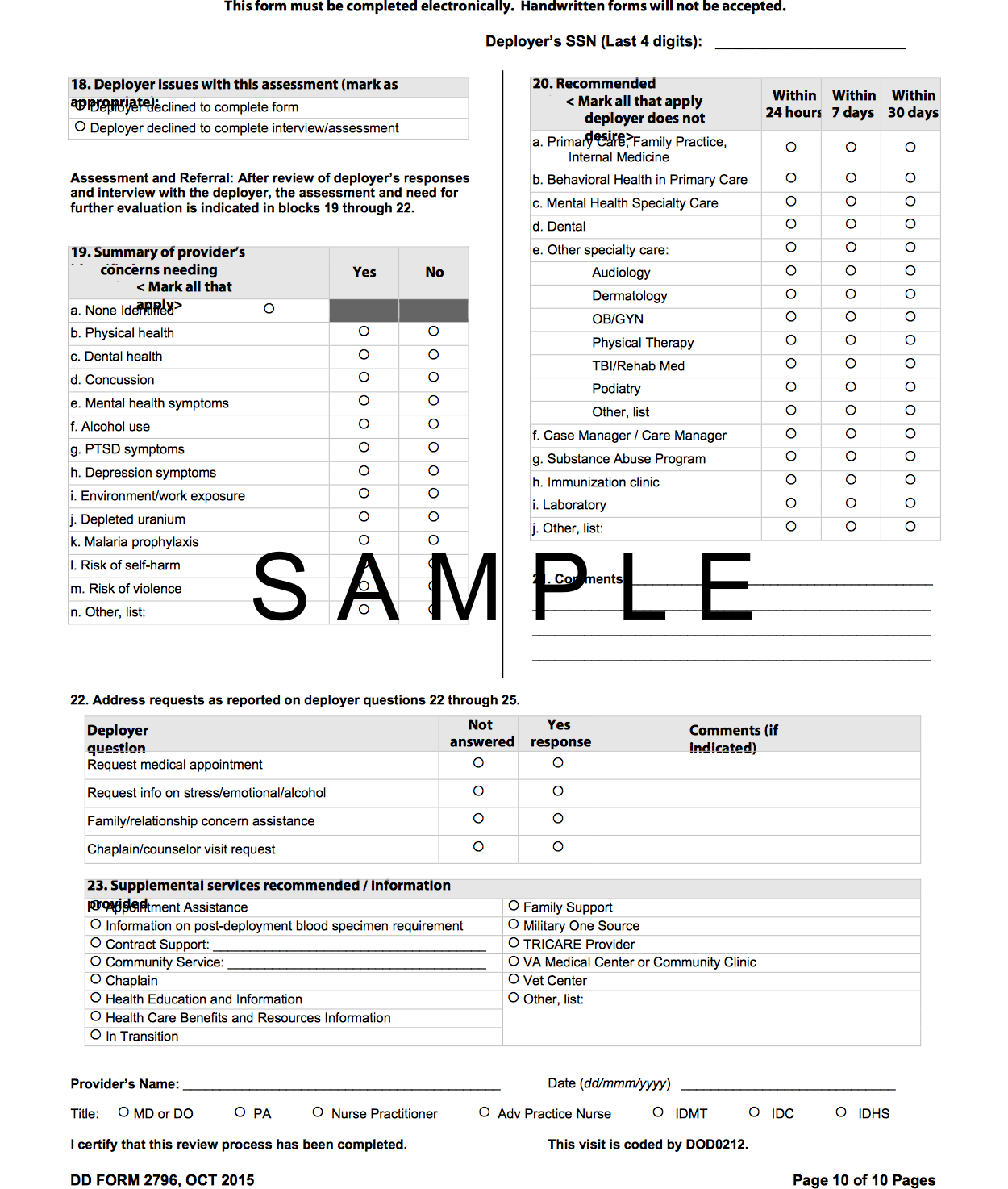
My chest pains are the only thing I shared with the VA as a serious issue in 2007 and again, I am making the choice to share so much personal information because I don’t necessarily see our system getting better if there is a significant gap between what people expect their service to be like and the reality of the experience.  I hope by cracking open an issue like poorly constructed pre-and post-deployment health assessments provides a lenses for organizations like the VA to understand where they must also take a step back and learn from veterans what deployments are like.  I also hope current service members look at their needs before the needs of the organization they serve; at some point, we all leave the service and our personal health cannot take a back seat because we didn’t want to look like malingers/didn’t want to lose camaraderie/didn’t want to let down the team when a medical issue should have prevented us from deploying.

When I also decided to share with the VA this go around the fact I’ve dealt with tinnitus in the last few years and for a shorter duration, moments of hearing loss, I expected to have them listen.  I thought it was fairly reasonable to be ‘heard’ since I have recorded mortar exposure in my records but never sought treatment because I didn’t notice anything wrong at the time.

Right now my hearing is not to the point where I’ve lost full functionality and I sincerely hope it doesn’t degrade further but the hearing loss does scare me. (The tinnitus, on the other, is mostly annoying and only occasionally causes pain.)  These issues make me realize I cannot continue to take my hearing for granted and I should plan more for down the road if it degrades to the point where hearing aids might be needed.  For now though, I am pretty good about asking people to repeat themselves when I need them to and I remind my daughter to come into the same room if she wants to talk to me.  (She tries to yell from upstairs but I’m going to miss a lot of what she’s jabbering about so I make her come down and talk to me anyways.)

FullSizeRenderFullSizeRender_1IMG_2463IMG_2465

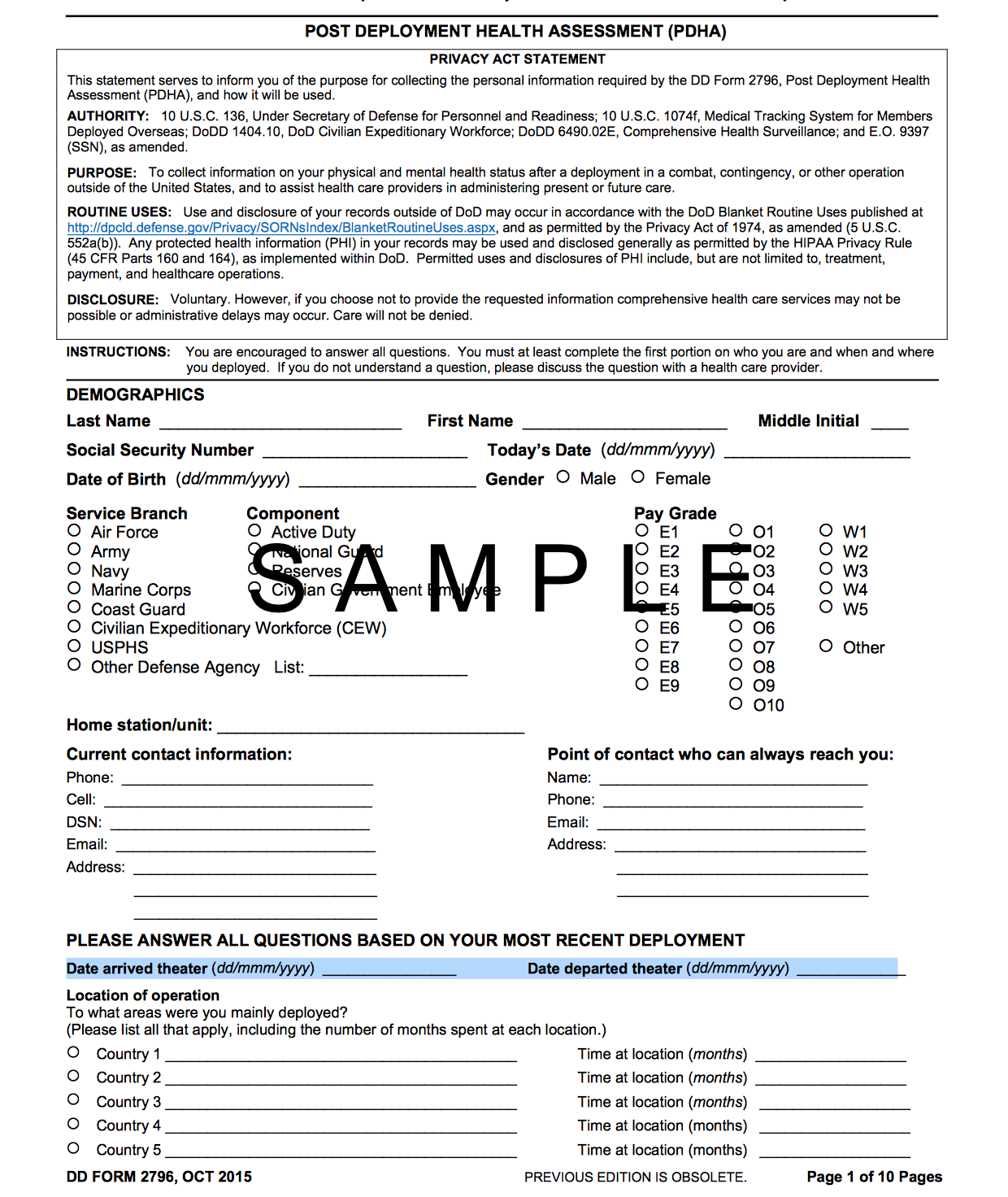
I am already past my bedtime (Seriously, it’s 10:45 pm!!!) but in closing, take a moment to look at the October 2015 form.  It is much more inclusive.  (Please excuse the fact I cannot obtain a good snapshot that shows on each page the form is not to be handwritten.)

I will continue my saga with the VA another day.

Screen Shot 2017-04-27 at 10.10.34 PM

Screen Shot 2017-04-27 at 10.12.12 PM

Screen Shot 2017-04-27 at 10.13.44 PM

Screen Shot 2017-04-27 at 10.14.46 PM

Screen Shot 2017-04-27 at 10.15.32 PM

Screen Shot 2017-04-27 at 10.16.53 PM

Screen Shot 2017-04-27 at 10.18.08 PM

Screen Shot 2017-04-27 at 10.19.15 PM

Screen Shot 2017-04-27 at 10.20.08 PM.png

Screen Shot 2017-04-27 at 10.20.46 PM


America In Times of Conflict: Creating Peace From Conflict

IMG_2364

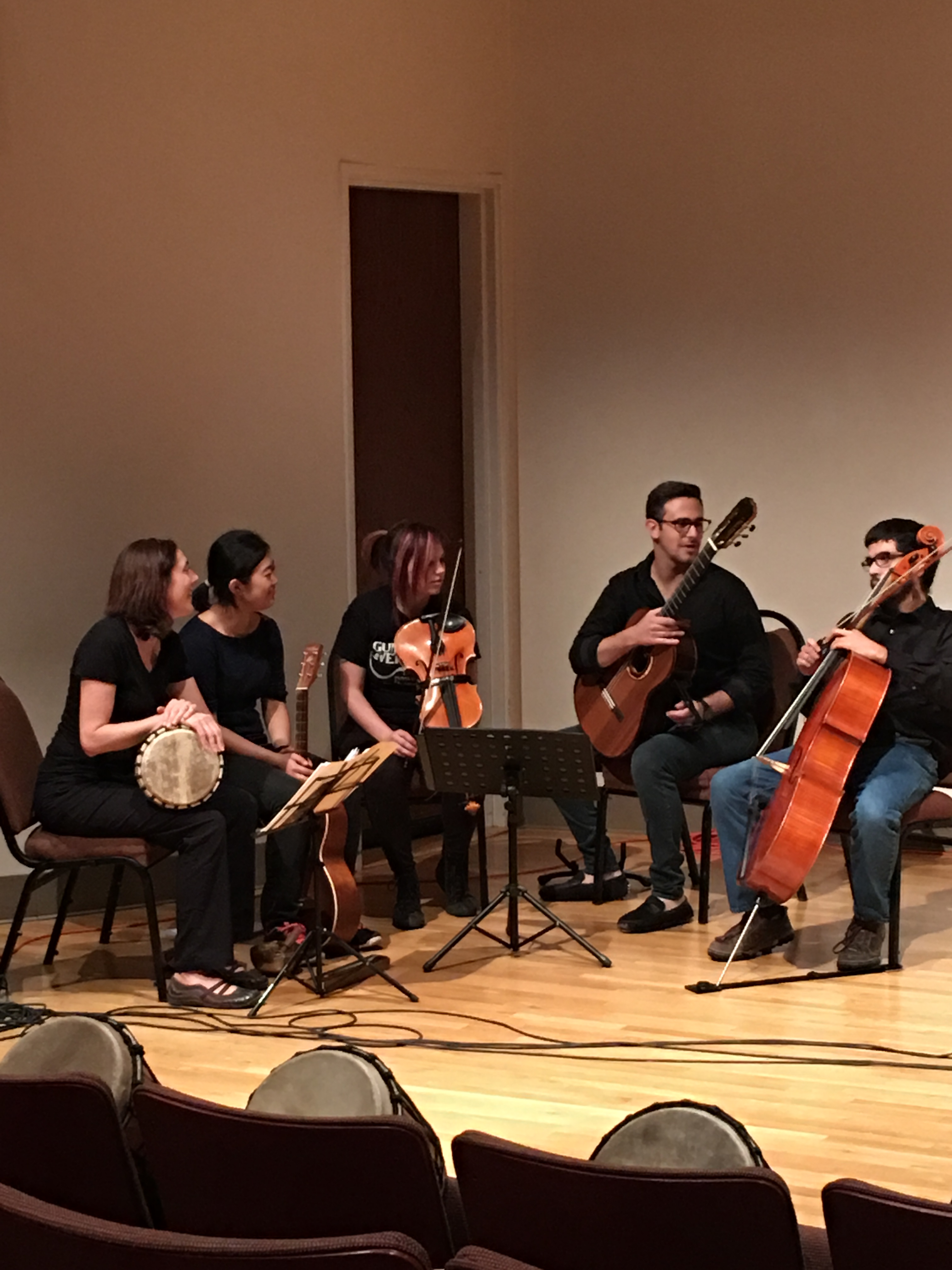
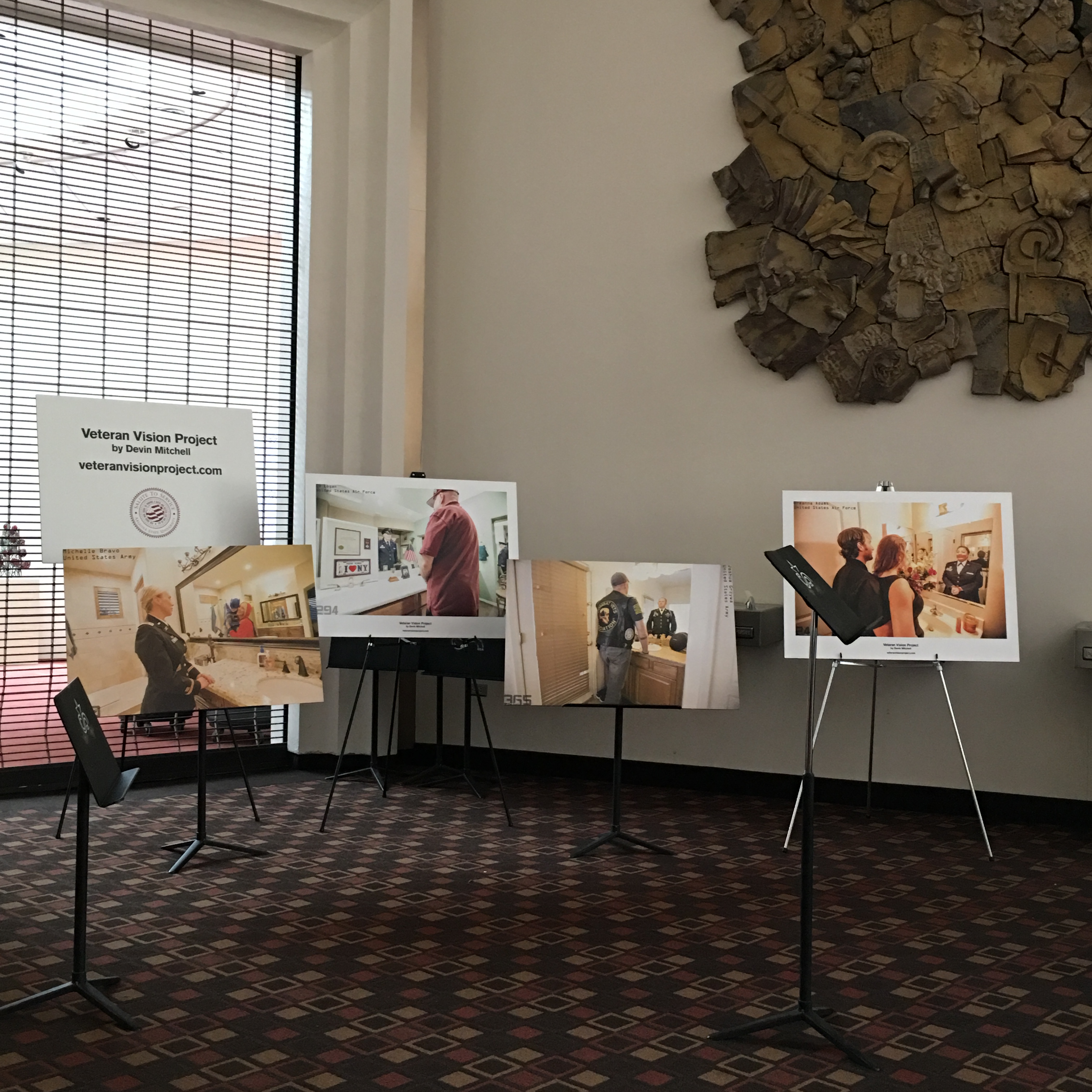
Yesterday, I volunteered with a handful of other veterans to be part of a local community collaboration sharing our stories interwoven with pieces of The Odyssey for Odyssey Home: A Veteran Performance.  The Chandler Public Library held this event called Creating Peace From Conflict at the Chandler Center For the Arts in partnership with Arizona State University and Veterans For Peace.  We also had Veteran Vision Project photos on site for attendance goers to see along with the individual narratives associated with each photograph.  Once the footage is available, I’ll provide the link.

This collaboration starting off with group drumming and continued with our storytelling mixed with selections from The Odyssey.  A few musical pieces were played by Guitars for Vets and another veteran, Ahmad Daniels was there as a representative for Veterans For Peace, also sharing his story.  I know the event was scheduled to conclude with audience engagement, sort of a Q&A opportunity.  I only stayed for the Odyssey performance as I had another engagement in the afternoon and with today being my daughter’s birthday, I wanted to make headway Saturday on some other issues I’ve currently slacked on.

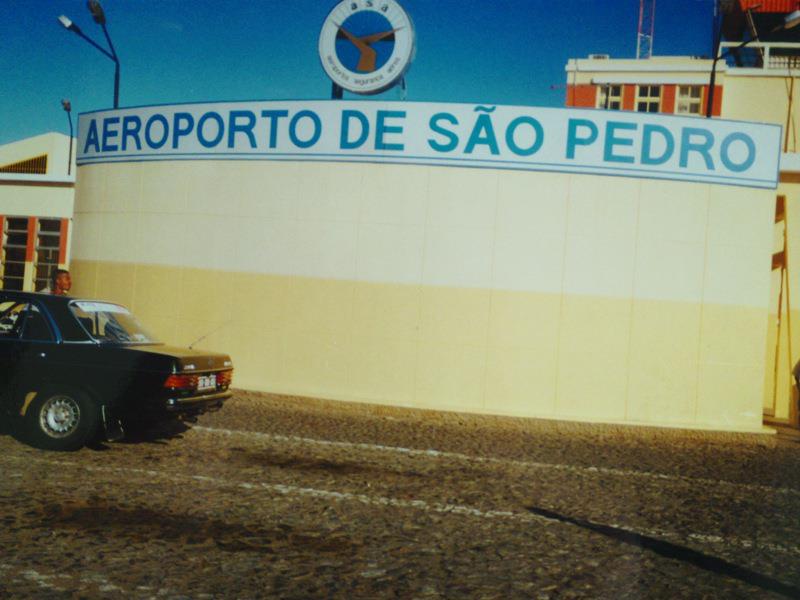
The theme of the performance was homecoming and I am quite thankful the event started with the group drumming.  While I did not choose to drum (I am embarrassed by my lack of rhythm) the sounds that filled the room reminded me of the wonderful performance given by citizens of Sao Vicente when I visited Cape Verde in high school.  My peers, teachers, and I landed to a beautiful musical performance at the airport that reminds me still music is a thread shared globally; we may not always understand each other’s words and actions but music binds us in such a spiritual way.

I loved being reminded of a place that was my home for a short period of my life.  Three weeks may not be an eternity but it’s sufficient time to be welcomed as a stranger, treated like a daughter, and remembered as a friend.  I am forever grateful for that experience and everyone who welcomed us into their country, their homes, and let us savor their culture that we might never have experienced in our lives had our paths not crossed.

Cape Verde airport
The airport in Sao Vicente

I think I was better able to embrace my role as a participant yesterday feeling like I was welcomed to this group much like how I was welcomed into Cape Verdean life.

My cohort of veterans included an ASU professor, my close friend and fellow ASU student, and a future student.  For our individual tales, we provided the audience a better glimpse of ‘homecoming’ as experiences shaped by individual perception and built a bridge that homecoming is not exactly a single finite moment in time, but a process.  I focused on the more immediate aspects of coming home to family tragedies and feeling like I did not fit into my life stateside.

I think a vital part of the construction of this storytelling was how well Robin Rio and her students shaped the music performance.  I met Robin back in the fall of 2014 when I started my graduate degree at ASU.  She is an Associate Professor with the School of Music and the Director of ASU’s Music Therapy Clinic.  I interviewed her to gain a better understanding of ASU’s chapter of Guitars for Vets.

Looking back, I did not ask great interview questions, but I think we all have moments like that in our lives where our place as students does not necessarily provide us a sufficient lenses to see and understand the larger context of our community because we are also shortsighted about more immediate concerns like passing a class, juggling work, and testing our fit with fellow students.  Seeing Guitars for Vets on campus though did inspire me to get out of my comfort zone about trying a musical instrument.  I purchased a Taylor guitar awhile back and now, with my reduced commute, can commit more to my goal of learning the acoustic guitar.  (Maybe I’ll be able to play a song before the year ends!)

IMG_2365
This talented bunch just wow me; there’s so much musical talent in this group. I cannot wait to share the performance so you can understand how beautifully they play.


Writing About Your Life: Intimate Details

screen-shot-2016-12-08-at-12-42-38-pm

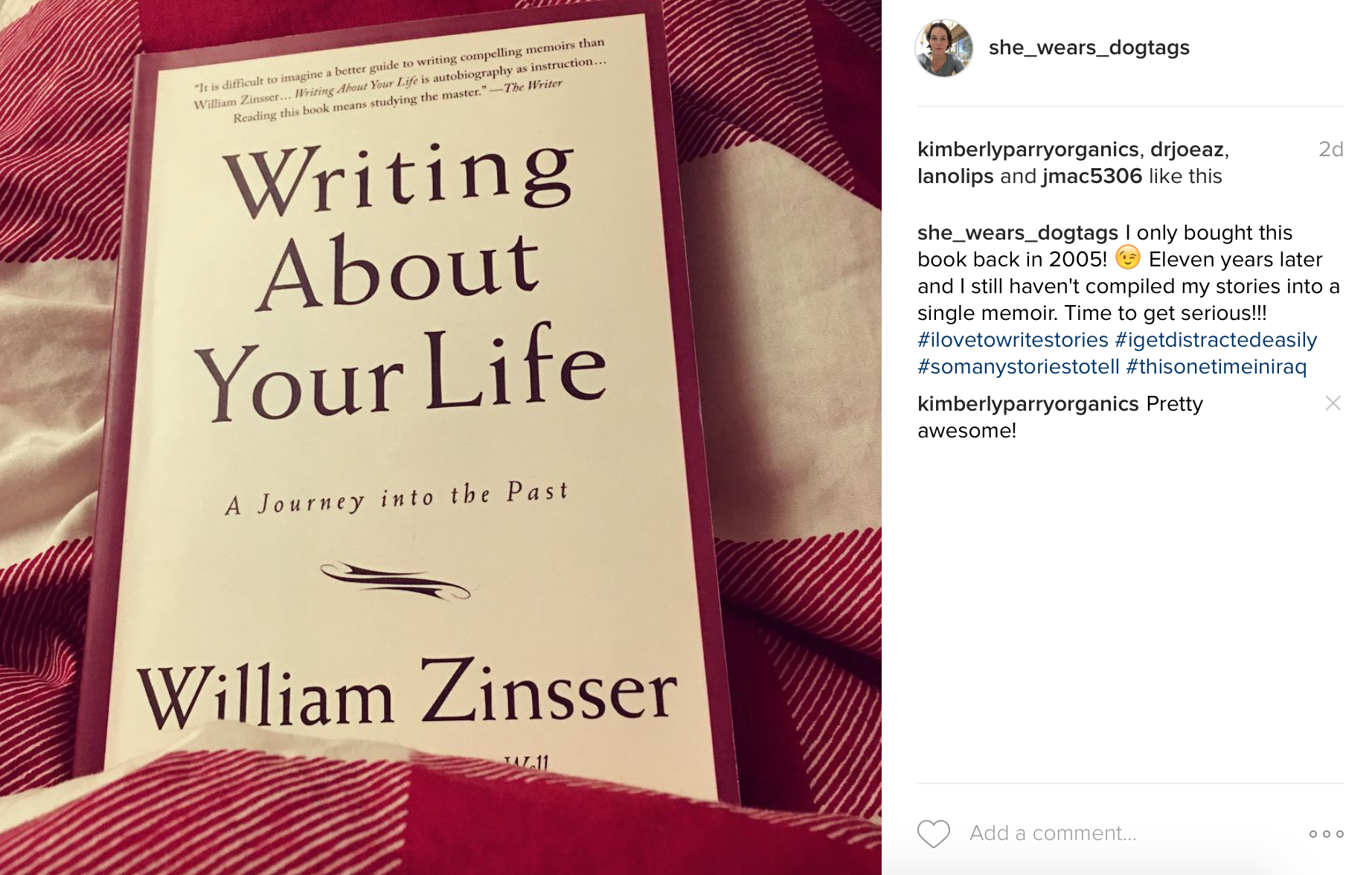
I know it’s not normal for you to get an updated post from me this time of time but I am at home with my sick daughter and now that I’ve sent her off for an afternoon nap, it’s time for me to enjoy some “me time” which translates to writing.  It may not be what I do best [yet in my life] but it’s one of the best things I enjoy.

When I started this blog back in 2014, I mentioned something that probably did not come off as an intimate detail in my life.  I mentioned how, back in 2004, one of the Corporals at my unit told me not to write a book about Iraq.  Now, as a thirty-two year old, I cringe more when I think of that asinine statement.  There is not a single soul in this world that deserves to tell me what to do with my life.

I think war narratives are important, even if I haven’t liked all the ones I’ve read.  The point is not to get rich.  The point is not to be famous.  The point is to convey a slice of history that can be lost otherwise.  The point is to capture sights, sounds, people, and places that are changed in the moment and hopefully influence people to take a more nuanced approach to understanding war.

As impossible as it is to whittle down what I learned in graduate school, one of the best lessons I came away with is uncovering the extent of how society ignores, belittles, and underreports the achievements and lived experiences of women.  We are not shadows of living beings; we are living, too.  I say society in this reference in speaking specifically to American society however there are many teachings that shows us women compared to men are often given less notice.

I write to you all today to tell you I will write my book.  I will write it regardless of whether it gets published.  I will write it because there will never be another moment in time that mirrors this experience.  I will write it because there are numerous others who could gain something from this type of storytelling.  I will write because a song I heard recently made me think of this experience and the amount of emotional connection I have to that point in my life.

I will not forgo a personal achievement because another human being has such set opinions against writing war memoirs.

If you’re wondering about that song, below are the lyrics:

“Every Little Thing” (Sung by Carly Pearce)

The scent that you left on my pillow
The sound of your heart beating with mine
The look in your eyes like a window
The taste of your kiss soaked in wine

Every little thing
I remember every little thing
The high, the hurt, the shine, the sting
Of every little thing

Guess you forgot what you told me
Because you left my heart on the floor
Baby, your ghost still haunts me
But I don’t want to sleep with him no more

Every little thing
I remember every little thing
The high, the hurt, the shine, the sting
Of every little thing
I remember every little thing
The high, the hurt, the shine, the sting
Of every little thing

They say time is the only healer
God, I hope that isn’t right
Cause right now I’d die to not remember

Every little thing
I remember every little thing
The high, the hurt, the shine, the sting
Every little thing
I remember every little thing
I’m haunted by the memories of
Every little thing
The high, the hurt, the shine, the sting
Every little thing

Writing for the Love and Joy of Storytelling

I write because I cannot remember everything.  I write because I want to remember special moments. I write because I want to remember people, good and bad.  I write because history changes so quickly.  Not everything I write is important to share publicly and many things that occurred privately have not been discussed in an open forum.  I write because I want–need–some peace in my life.  Writing is my escape from people, places, things I cannot change.

When I was younger, I struggled to cope with the loss of my mother and Bart’s murder.  Their absence from my life completely changed my life trajectory.  I chose to leave Rhode Island and then I made a life changing decision to become a Marine.  This decision had more than a temporary effect on my life, one that persists today.

I catch myself being caught off guard by my emotions as I start writing small stories to share in my planned book.  My interpretation of certain events is just that, mine.  For this reason, I am intentionally seeking people’s permission to share my view of our shared life experiences.  So many things/people/experiences will be intentionally excluded which lends a certain perspective to my story as does the inclusion of other details.  My emotional responses then and now as I construct these drafts remind me I love and enjoy storytelling.

I’m on guard–for the most part–in my public life.  I have certain responsibilities and obligations in my daily life to fulfill that require a certain demeanor.  My temper must be subdued.  I can’t call people out for their inappropriate behavior, even when they act like petulant children.  When I’m comfortable in the presence of guys, this ease–as my Marine Corps experiences have taught me–is often misinterpreted.  Our mainstream American culture, and its notions of heterosexual relations, sees closeness between men and women as heavily influenced by sexual intimacy and not always trust, personality compatibility, and interested in shared goals.

A huge area of concern for me, in my writing, is the fact I have so few examples of female leadership.  My spring studies taught me this is not inconvenient data, using some verbiage from my instructor, Dr. Weitz.  Unfortunately, I don’t enjoy talking about some of the women I’ve met in my life.  So often, I’ve felt awkward in the company of women.  Some are either too feminine, some are my competitors, and others are there asking for someone else to take care of them for their lifetimes.  Hence my struggle to adequately discuss women when I have such a biased opinion against people of my own gender.

I wish I could write about women as easily as I could (and can) write about the men in my life.

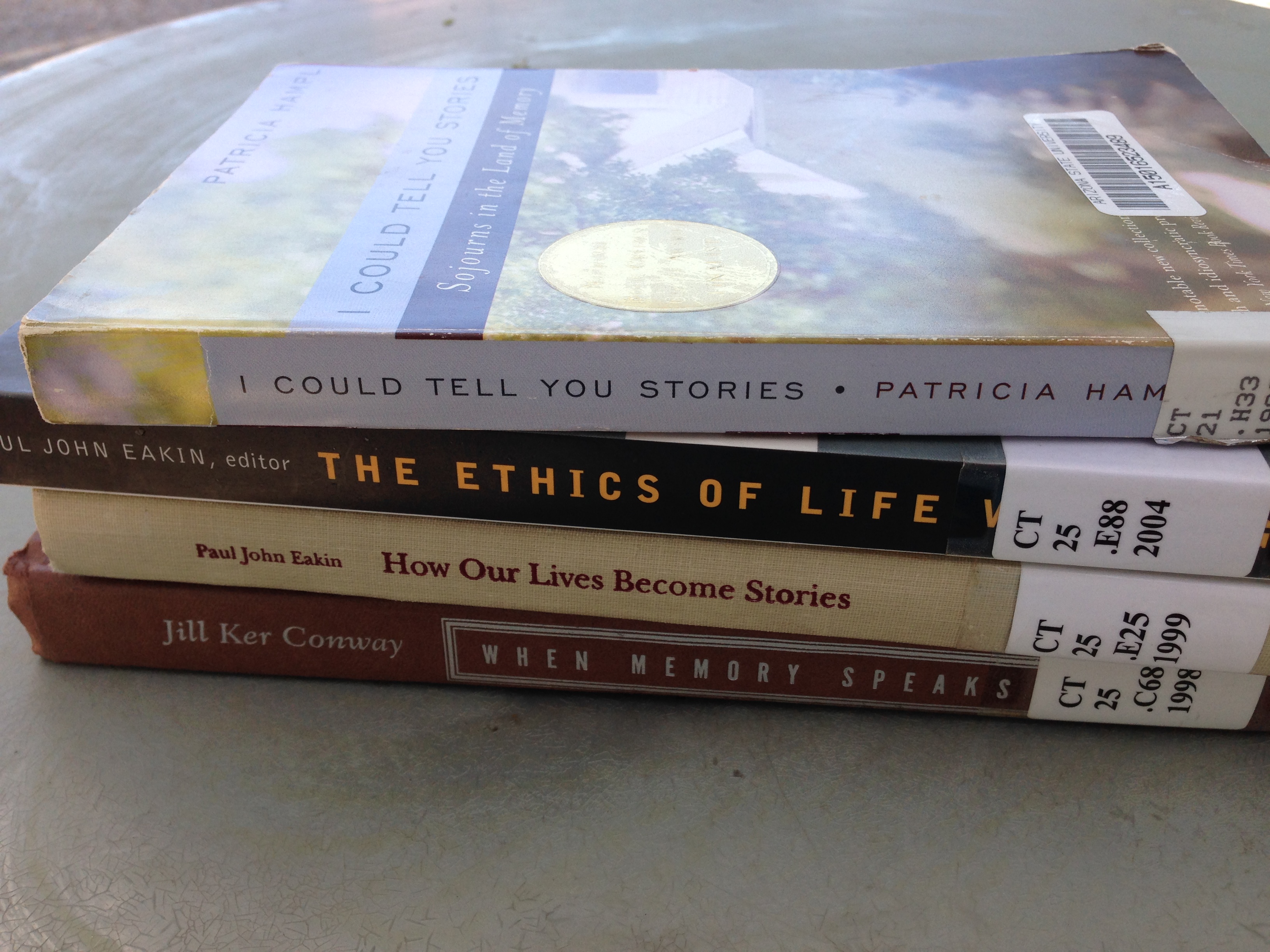
Taking on some serious homework to learn about the ethics of memory writing, per the advice from my professor.