July 2016

What a month!  It’s not over yet but it has been busier and more stressful, complete with more opportunities and challenges.  My nervousness over how fireworks would make me feel morphed into a bigger stress response than I imagined.  As a result, I have logged my chest pains to keep track of them for an upcoming appointment with a cardiologist.  Looking back, the 14 days of chest pains just gets exhausting.  Thankfully, they are not all day long but once I do have an episode I do worry if I’ll have another attack during that day.  While I have been extremely reluctant to seek medical assistance/further diagnosis about my chest pains the reality is after eleven years of suffering through them, sometimes I cannot manage them effectively on my own.  I do find it difficult to carve out sufficient exercise time which keeps them in check.  Separately, the sensation of these pains has changed over the years and I know that issue alone is pretty significant to go back to seek medical advice and assistance.

During the Fourth of July, I found it possible to avoid most of the fireworks.  My husband and I went to the Keg for a late dinner and walked over to the movie theater in the San Tan mall.  Unfortunately, some very overzealous individuals started shooting off fireworks before it was even 9 o’clock.  I had some high hopes we could miss the fireworks that night in its entirety but not so much. Although I will be flattening the conversation significantly, being around fireworks does not upset me so much because it reminds me of the constant danger I was in while serving in Iraq.  That sucks but it wasn’t the worst thing.  It is a struggle because it is a reminder of the worst mortar attack we had which killed my officer.  The sound of that attack is something that is seared in my memory more than any other one event.  It is a struggle because I know I survived that attack and while so many of us knew Captain Brock we couldn’t save him.  The Quick Response Force couldn’t save him.  The Medevac crew couldn’t save him.  We all–his Marine family–were powerless against an indirect weapon and the rest of us came home.

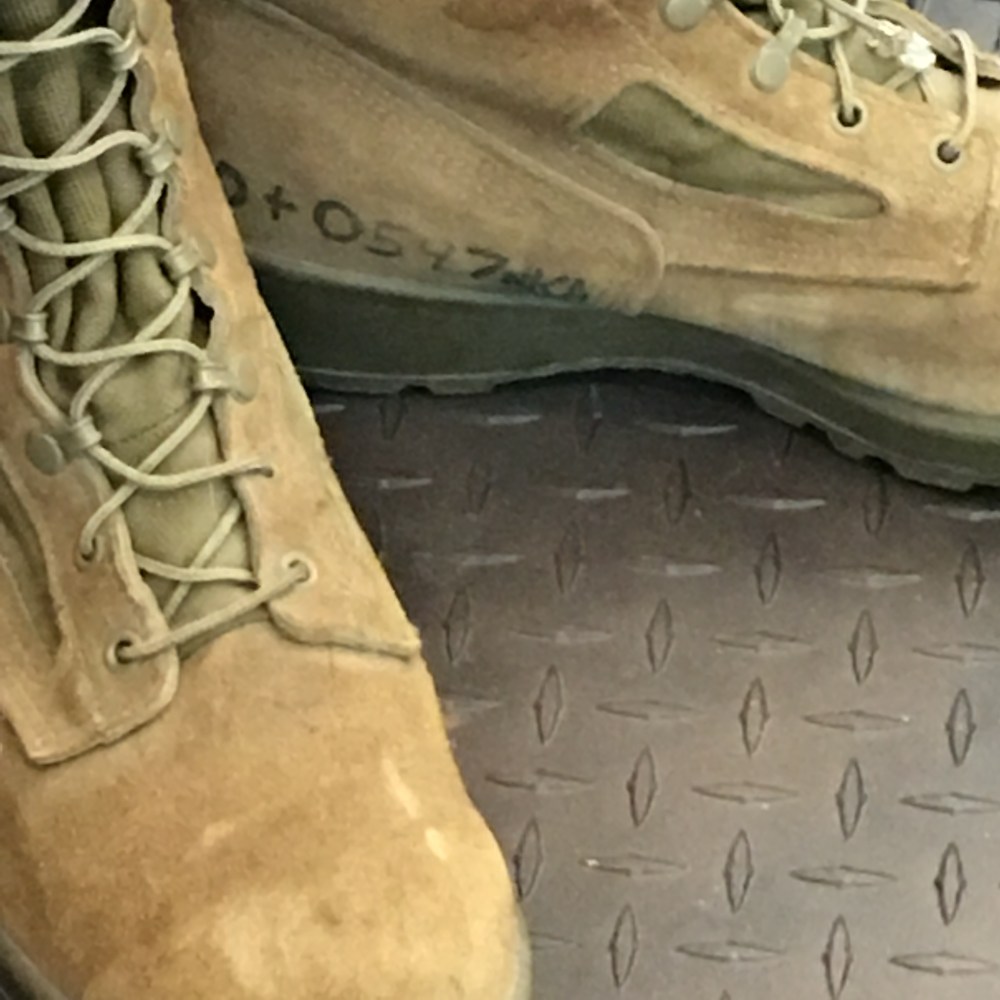
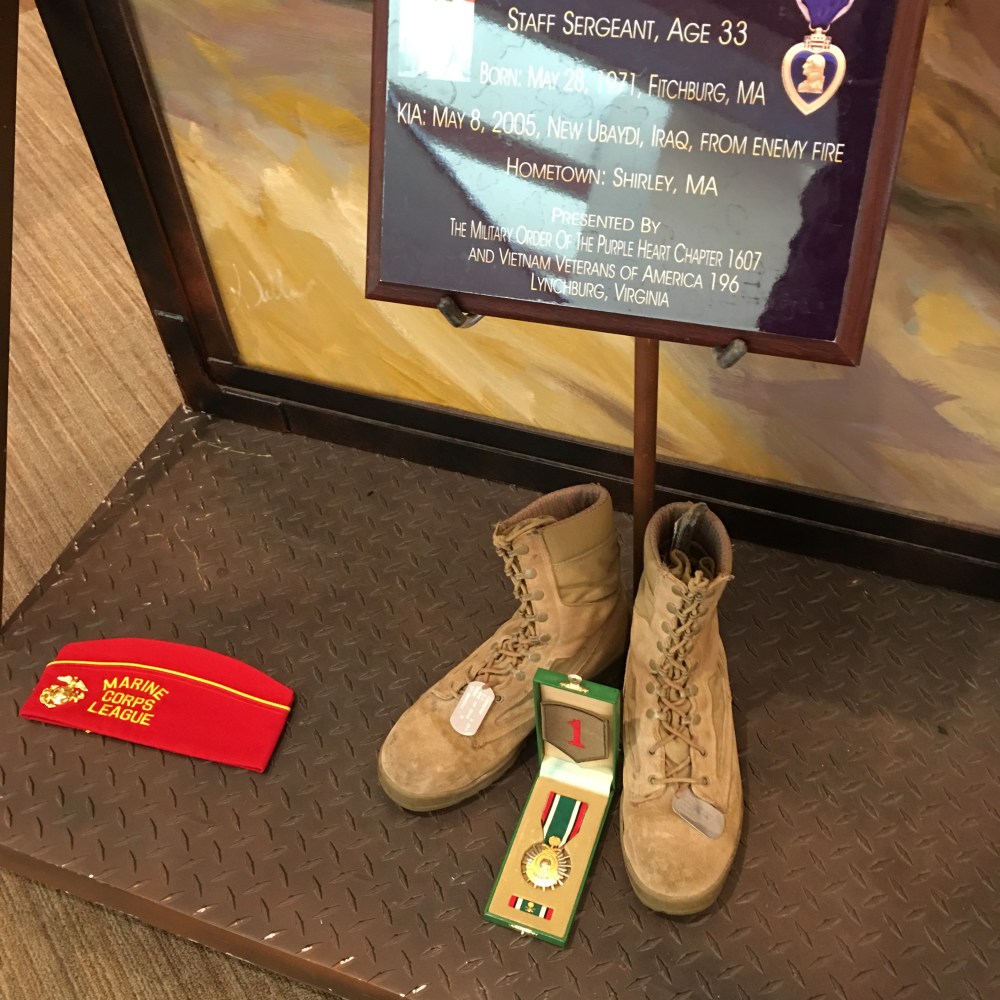
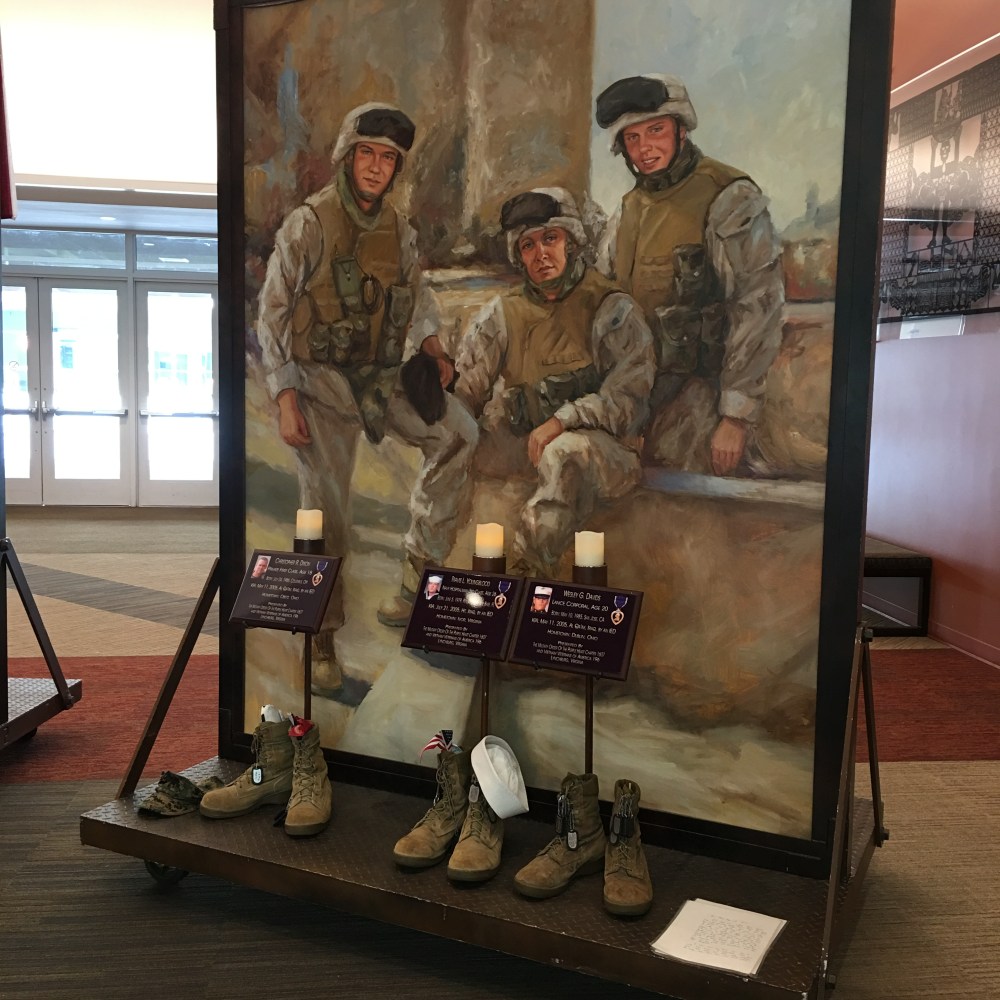
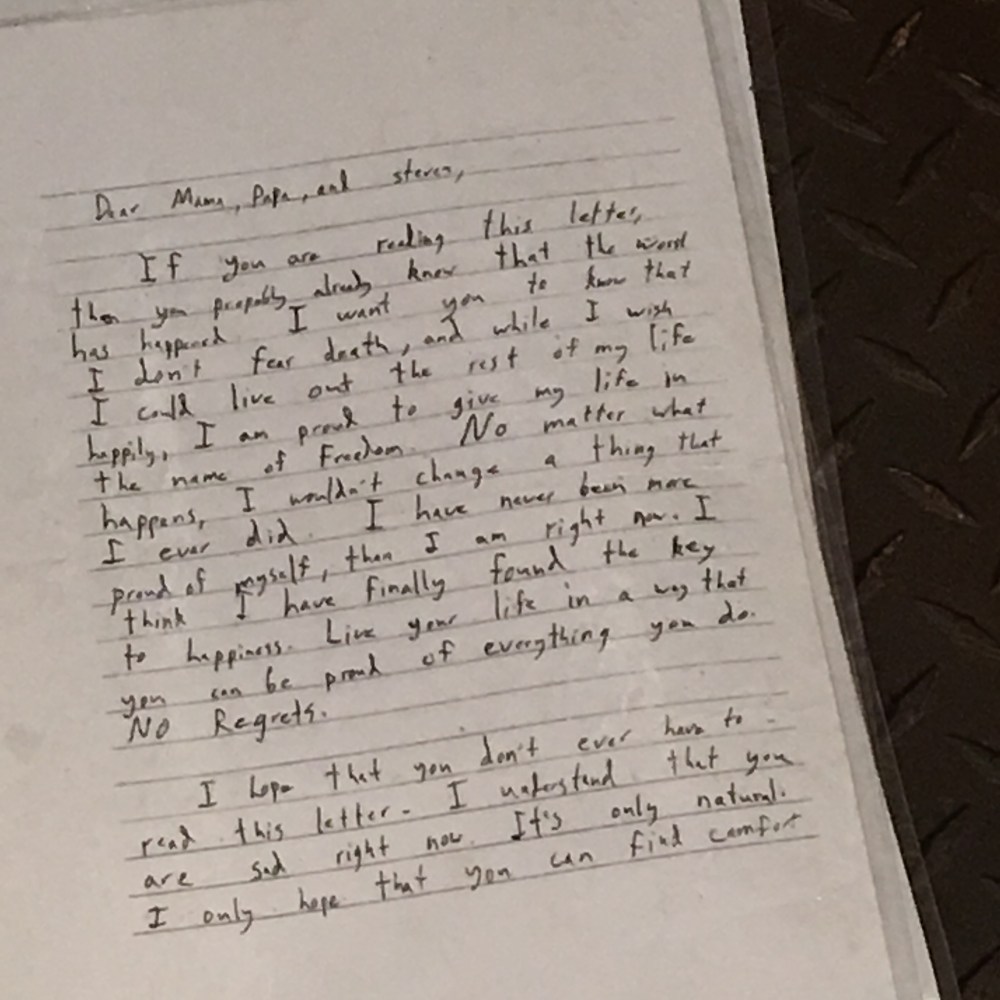
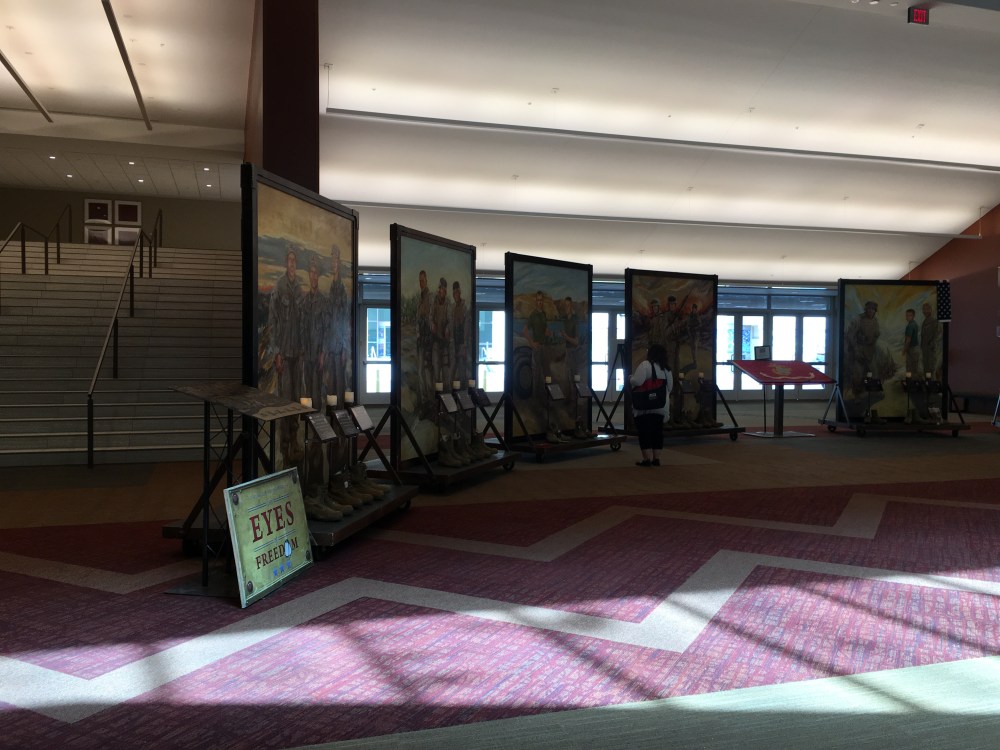
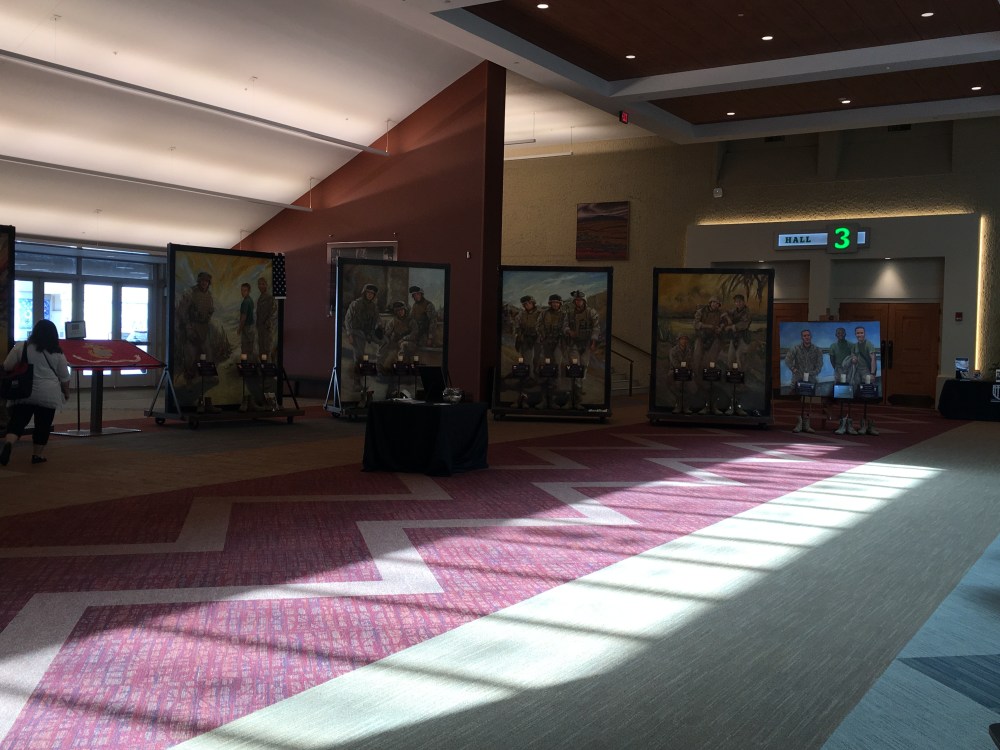
My daughter asked me recently why I didn’t die in Iraq.  She asked this question of me after seeing the Eyes of Freedom memorial while I attended the WAVES conference (Western Association of Veterans Education Specialists) in Albuquerque, New Mexico.  I had no answer for her other than that I was fortunate.  Even then, it’s not a full answer.  I was moved to the night shift in December of 2004.  As such, I was at my barracks the day Captain Brock was hit outside our work.  That day, it could have been almost anyone who worked in that building or it could have been no one.  I was at my home talking to my grandmother on the phone and the blast was something that was easily felt from my location.  It made the most terrifying sound of all the mortar impacts we took.

I know other war veterans understand why carrying survivors’ guilt is hard.  We have the rest of our lives to carry the burden of those who didn’t make it home.  Our existence, our homecoming, is tinged with the reminder we were granted years deprived of our peers.  We will think of the accomplishments they didn’t get to enjoy; we will think of the children they didn’t have; and we will think of the fact their families will never be the same.
IMG_9695
Eyes of Freedom
IMG_9696
Eyes of Freedom

IMG_9697

IMG_9699

IMG_9703

IMG_9702

June: PTSD Awareness Month & A Brief Look Back

Please don’t take my extended absence from writing as a sign that I am not interested in continuing my veteran (and more specifically, female veteran) awareness efforts.  During my recent absence I have attended to moving into my recently purchased home.  You can read about that journey–should you be interested–at my other blog, Builder Grade and Reclaimed.  The other large factor contributing to my absence has been my concern over the increasing violence in Fallujah and knowing that while I served in Iraq and Fallujah was in our area of operations there is nothing I can truly say as an American that speaks fully to the horror Iraqi citizens currently face on a daily basis.  It is also hard not to feel a bit ashamed that I am quite privileged–enjoying the fruits and discussing the frustrations of homeownership for the first time–in the midst of such chaos, particularly when I see the large number of affected children.

In doing what I can given my current status as an amateur writer I wish to speak to you all about the fact June is PTSD Awareness Month.  In the most recent couple of months I’ve begun to notice more articles that discuss the mental toll war takes on refugees and their disjointed access to support services.  As a veteran, I cannot help but notice the focus on PTSD as it relates to war veterans and the stigma associated with treatment.  Furthermore,  the more recent shooting at Pulse in Orlando adds another layer to how violence plants the seeds for lifelong hurt in the community.  I was stunned when I read about how first responders were dealing with the constant ringing of cellphones as they conducted their work at the crime scene and I realized I,too, need to broaden my perception of who is affected by violence locally  (city, state), regionally, nationally, and globally.  We do not always know the victims firsthand but we may know friends or family members of the victim or feel our shared identity allows us to empathize with their situation, perhaps it even brings up the hardships in our own past.

The older I get the more I realize it’s ok to talk about my own struggles with anxiety as it relates to fireworks and veteran deaths.  The two issues are markedly similar to my first deployment experiences of frequent mortar fire and daily deaths of service members.  I can tell you daily life is not always a challenge for me the way it is for other survivors (war, sexual assault, weather-related catastrophe, domestic violence, mass shootings, and so forth).  The research I invested earlier this year crafting my applied project took a significant emotional toll on me but it’s coming close to that time of year where the celebratory use of fireworks by others makes me cringe.

After experiencing fireworks last year in my old Gilbert neighborhood on the 4th of July and then again for New Year’s the trepidation for the upcoming Fourth of July has been building and for that reason I decided to open up about my issues.  I don’t know what my new neighbors are like and if they will shoot off fireworks from our shared driveway the way the former neighbors did.  I don’t know if individuals in this neighborhood and the neighborhoods surrounding us will subject me to a marathon four-hour ‘celebration’ on New Years that will bring on a series of chest pains and hours of anguish.  I cannot imagine what the Fourth looks like but I am nervous already about potentially losing a whole night’s sleep and still needing to go into work the next day.

I am exceptionally aware of the fireworks season when it crops up: local vendors set up stands on their vehicles on the side of local roadways and local stores clean floorspace for variety packs of fireworks for nearly every budget.  While others plan fun for themselves, I’m counting down the days until I suffer through a particular hell I never imagined I’d be back in.  In war after a mortar attack, I had a purpose and so I trudged through my tasks because my work helped keep people alive.  A daily mortar attack here and there became normal and I adopted a casual brush off of this experience.  So long as we looked around and everyone was ‘ok’ things were normal.

Looking back on my past, I am now rather grateful fireworks were–and are–such a rare exposure.  I lived in the barracks for most of my Marine Corps career and so I did not encounter fireworks there.  When I moved off base–residing in Oceanside–fireworks weren’t a concern either.  From the alley of our home in Cody, Wyoming I could see the large public fireworks display off in the distance which I find enjoyable but none of my neighbors lit fireworks down the street.  (To be honest, I also don’t know if it was permitted either but I am grateful my exposure was limited.)  During the time I lived with my in-laws in Mesa and later in ASU’s family housing I also did not contend with fireworks.

So please know for the duration of June 24th to July 6th–the time period in which the use of fireworks is permitted here–I will be more on edge as I wait to see with what frequency my neighbors use fireworks.

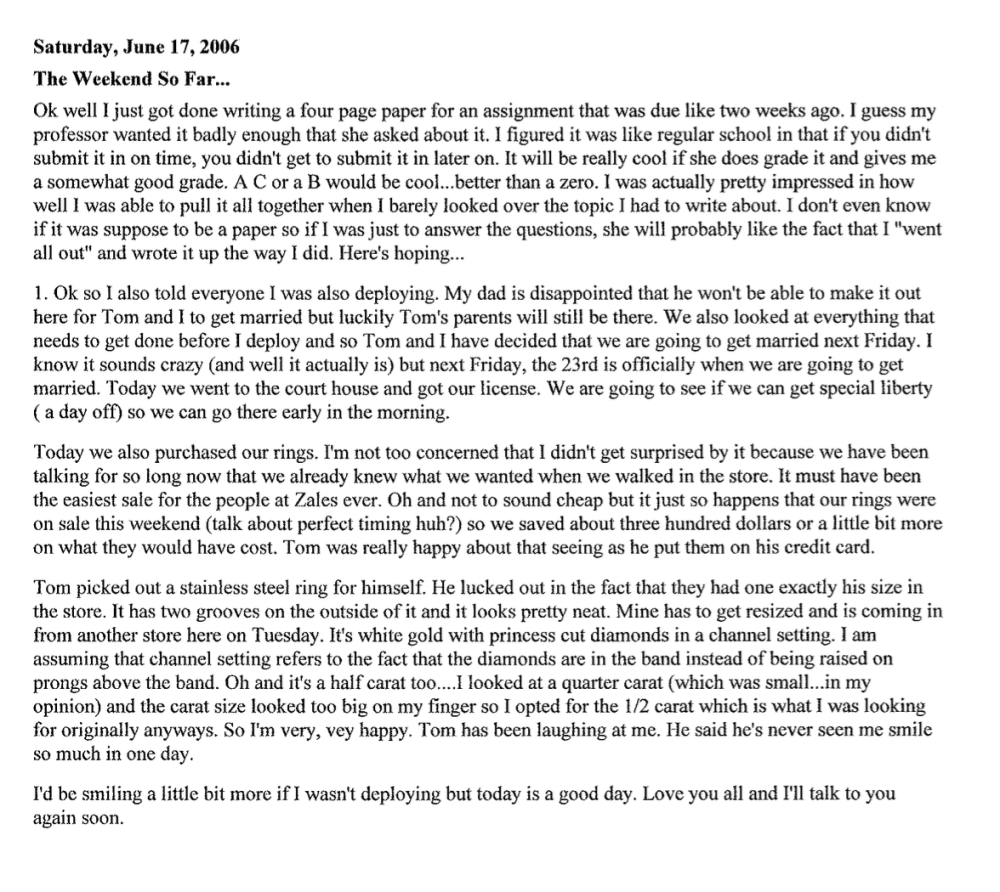
In also addressing the 2006 versus 2016 comparison I’ve promised you, below is one of my previous entries from 2006.  I know I am off a day but I didn’t write as much in 2006 as I thought I did.  However, this time period of entries is a good one because it gets close to when I left for my second deployment with 3rd MAW, serving on the deployment under MAG-16.

Screen Shot 2016-06-18 at 6.21.48 PM

Looking Back: Progress on the Applied Project

We are nearing the midterms part of the semester and I am already falling a bit behind on those objectives I set out with you all in January.  I do not make time for the gym as much as I should and looking at my last post, which was 18 days ago, I am not keeping up on this site as much either.  Today, I’m tackling both.  I knocked out 40 minutes on our indoor bike and as I close out my day, I write to speak with you all about my applied project.

Writing about my history has not been an easy task.  This focus opens up a number of issues which I have not fully shared previously with my family, for one, and second, I am always burdened with how to share the experiences of others.  For my situation, this matter is complicated because those individuals died many years ago.  Like many other veterans, I do acknowledge survivors’ guilt for what it is in my life.  I simply lived through numerous occasions where our base was mortared (on the first deployment).  I also safely traveled through our area of operations without being ambushed; hit by an improvised explosive device (IED), a vehicle born IED, or rocket propelled grenade; nor did I encounter snipers along the way.  There is no way to describe the moments of safety in my deployment as anything other than sheer luck.  For my readers of faith, please understand why I do not say that it is by God’s grace because I feel, in small part, to say so also implies that God does not love his other children who perished.

The other reason this task presents some difficulty on my part is I have not revisited this information fully in years. For the duration of my first deployment, I spent twelve hours a day receiving word that people died or were injured.  In some cases, we received updated information that our wounded later died as a result of their injuries.  The best news I ever received came from our Lieutenant Colonel who informed my team our work prevented a unit from being ambushed.  This incident represents one of my greatest achievements and I greatly appreciate everyone’s efforts to do their jobs that day.  I am fairly certain I never recorded in my journal about the matter out of concern for operational security, as I consciously chose to do for many such occasions, with some exceptions such as Captain Brock’s death.  I was very honored though as a Lance Corporal to have a Lieutenant Colonel come over to let us know our work was so valuable.

As I open up the pages of my past hopefully my audience understands what it takes to share those experiences.  My research is heavily reliant on data available to me through MilitaryTimes, Iraqbodycount.org, and other resources such as BBC.com.  It will likely not encompass all the lives lost, on all sides, but is the closest possibility of this needed transparency.  I make this statement not as a fault of my research, but to remind everyone the limitations I work through.  Being reliant on the system keeping of others has given me some insights into the values of different organizations and additionally, witness through reporting sources the grief of families.  I am also seeing names, faces, ages, and backstories through the associated press articles on Military Times.  These new details are painful reminders of the past and also inspirations for the future.

Social media sites are a great way to express new meanings attributed to veterans, our storytelling, and in today’s time, our lived experiences in war.  I am also very hopeful that perhaps such honesty will invoke others to adopt a more liberal attitude towards many disadvantaged groups, especially war refugees.  I made the choice to serve in a war and I also knew I had the freedom to leave that region at the end of my tour, both times. More importantly, I was fortunate to make it home alive.  Again, both times.

Around the world, in so many places, individuals of all ages struggle because they live in war torn regions.  I cannot attest to their experiences but I can use my lens as a war veteran to share my story.  Perhaps in doing so, I can encourage others in my community, locally and globally, to understand why we should be listening to more of the narratives that come out of war than how organizations present those matters.  Organizations are not affected by war the same way people are. Organizations “see” and “shape” the crisis, but people live (or do not live) through those experiences.  Their stories matter.

At Work, At Home, At Play: What’s Revealed in Service Member Photography

Good morning, everyone!!!  Ahhh…quick breather.  January is almost over. In the brief span of time that’s transpired since the term began, I have made substantial progress focusing on my applied project.  This progress is due, with great thanks, to Dr. Beth Swadener, who has facilitated a writing seminar; my peers in Dr. Swadener’s course; Dr. Rose Weitz for her continued support and acceptance on my applied project committee; Nancy Dallett for being a wonderful sounding board and constant companion in my work life; my peers in my SST course this semester; and most certainly, my friends and family who stand by me during this crazy adventure, both academically and through this blog.

Today’s blog is built on one of the materials that will find its way into my applied project. Recently, I found Liam Kennedy’s 2009 article, Soldier Photography: Visualising the War in Iraq.  The article is available through the following stable URL:

http://www.jstor.org/stable/40588076

If you do not have access to this resource via an academic library, like I do with ASU, the download costs $34 or you can read it online by registering for a JSTOR account.

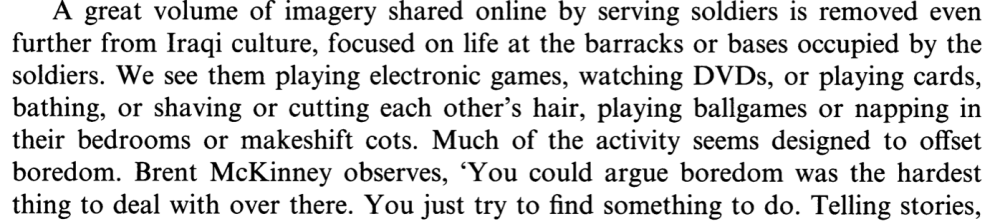
Getting back to today’s discussion, I think Mr. Kennedy brings up some excellent points about why service member (my preferred term versus his term, ‘soldier’) photography is aiding a better global discourse on the understanding of war.  Below is a great insight he adds to how the communication process regarding ‘war’ has changed over the decades:

“The Vietnam War was the first televised war, the first Gulf War was the first satellite war (CNN’s war’) and the wars in Afghanistan and Iraq are the first digitised wars” (Kennedy, 2009, p. 819).

So, why is the change in communication important?

In a nutshell, the answer to this question is this correspondence teaches us the reinforcement of cultural perspective and operational burden in war, both operational security and trauma sustained by service members (Kennedy, 2009).

For many reasons, I have taken for granted the ‘freedom’ I enjoyed to share my deployment experiences with friends and family members with almost instantaneous feedback.  On many occasions, it took me several saved drafts on MySpace to craft a post for my loved ones but the next time I logged in, I would have some responses to my situation.  These messages sustained me when snail mail was lacking.  I knew my family cared for me, despite their beliefs about war–in general–and about my war, specifically.  One of the best benefits to this freedom was corresponding with loved ones who also operated in different areas of Iraq, at the same time.  I cannot discount how important it was to know friends were safe despite being located in close proximity to indirect and direct forms of combat engagement.

Screen Shot 2016-01-30 at 8.18.31 AM
Kennedy, 2009, p. 827

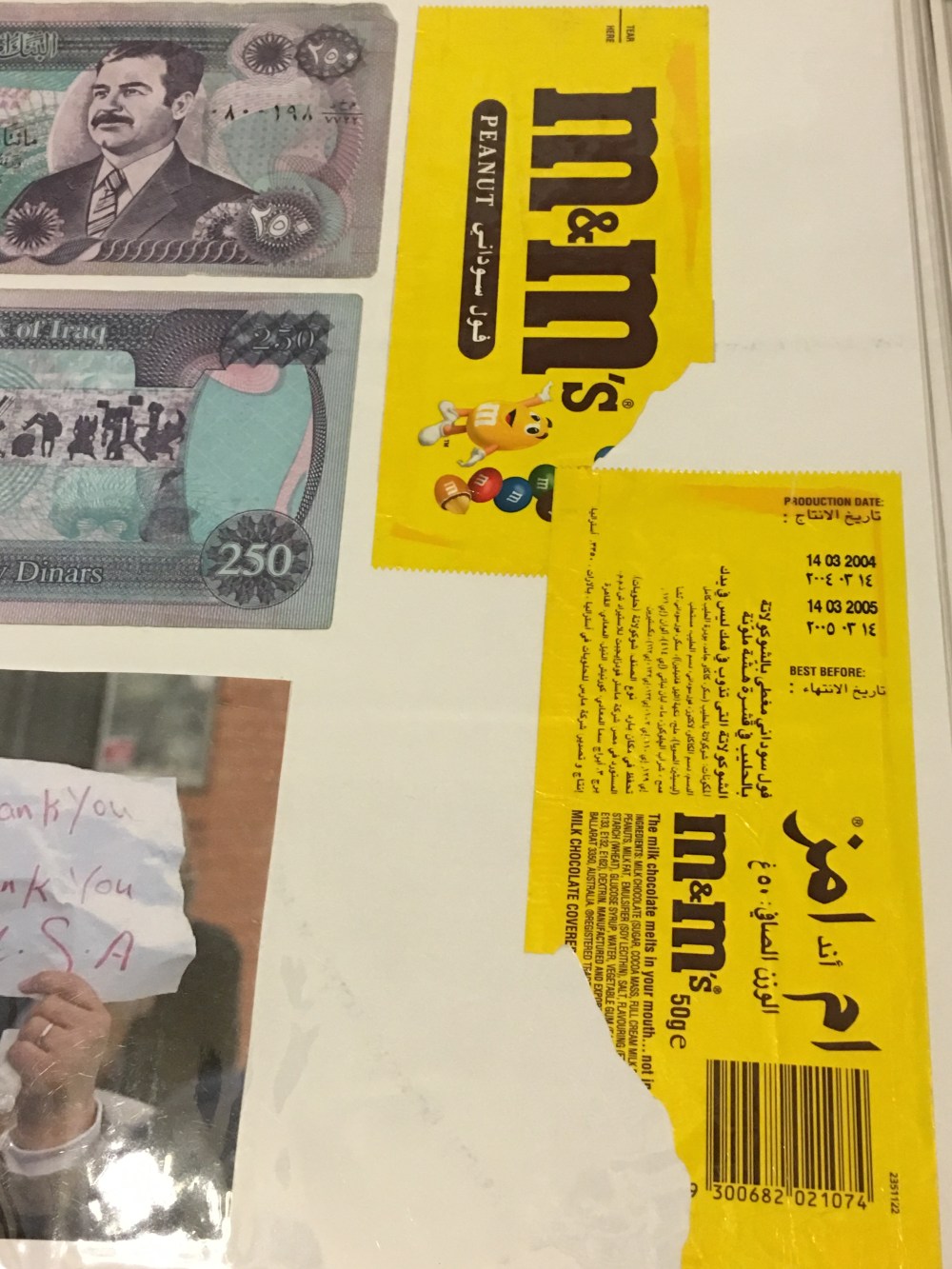
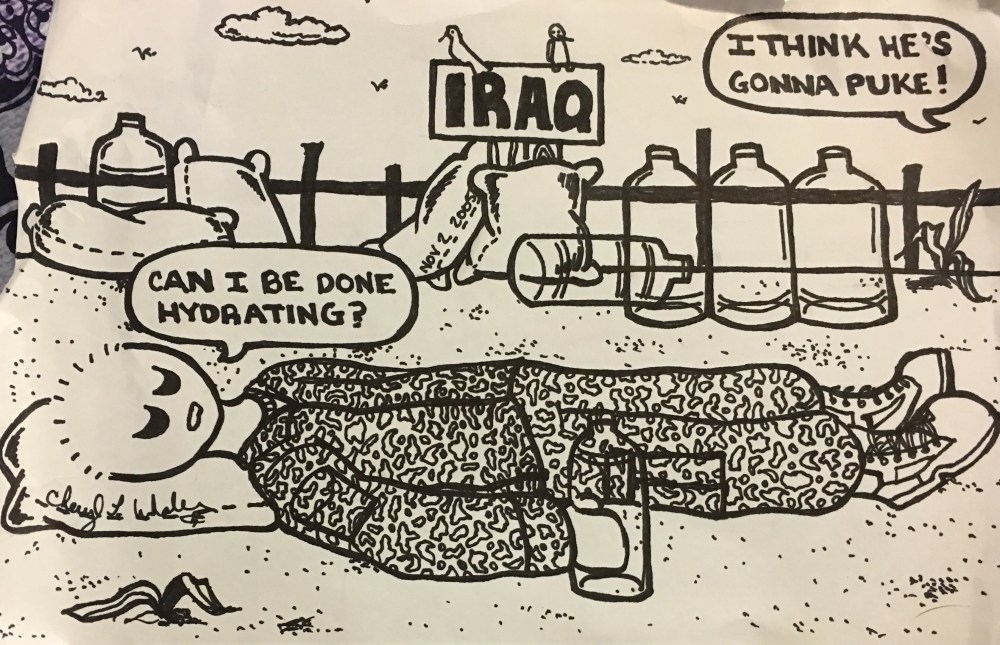
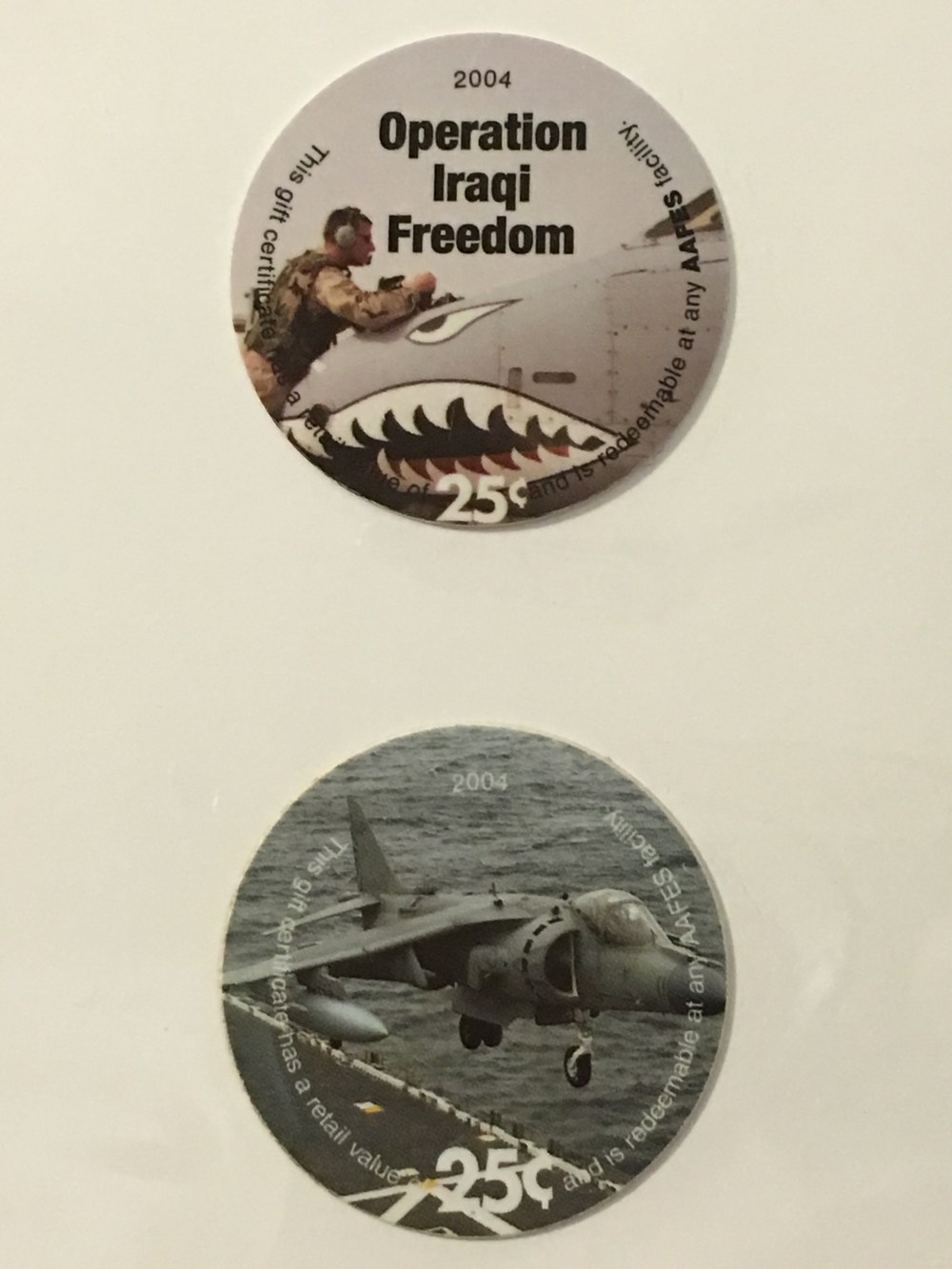
With respect to both deployments, I didn’t take a significant amount of photos.  I used several disposable 35mm cameras for Operation Iraqi Freedom 2-2 (1st Marine Division deployment) and had both disposable cameras and a digital camera my husband sent over for the second deployment, Operation Iraqi Freedom 5-7 (3rd Marine Aircraft Wing where I deployed with Marine Aircraft Group-16, known as MAG-16).  I would aptly agree with Kennedy that ‘tourist’ photography describes the majority of photos I took for both deployments, like many of my peers’ photographs.  The landscape is different, the ‘feel’ of the base, while it retains aspects of American culture, is a smaller version of American consumerism.  Camp Blue Diamond had a small internet cafe crafted out of a trailer with plywood dividers to give individuals some sense of private conversations.  A PX (Post-Exchange) also crafted out of a trailer provided a small array of necessary items, like service chevrons, and coveted items, like snack foods.

IMG_8499
After all these years, I still have my M & M’s bag. Look at the production and best by dates.
Screen Shot 2016-01-30 at 9.22.04 AM
My view heading over to Camp Ramadi (2004).

When it comes to photographs of my self, I have very few.  Because it is significantly still a taboo subject to date in a combat zone, I only had one photograph using my cameras of my boyfriend and I together on my first deployment the day I left Blue Diamond, February 25, 2005.  The others I have of us relaxing with Marines from his work were taken by him or members of his unit.  For my second deployment, the best photos of me at work and at play were compiled into a unit video.  Unfortunately, my computer does not take good snapshots from the video.  I will try to find another way to acquire those photos to share.  There was a great one of me in one of the chairs in the palace in Baghdad and I look incredibly tiny.  See…again…that tourist tendency.

IMG_8501

IMG_8500
Bringing new meaning to paper money.
IMG_8490
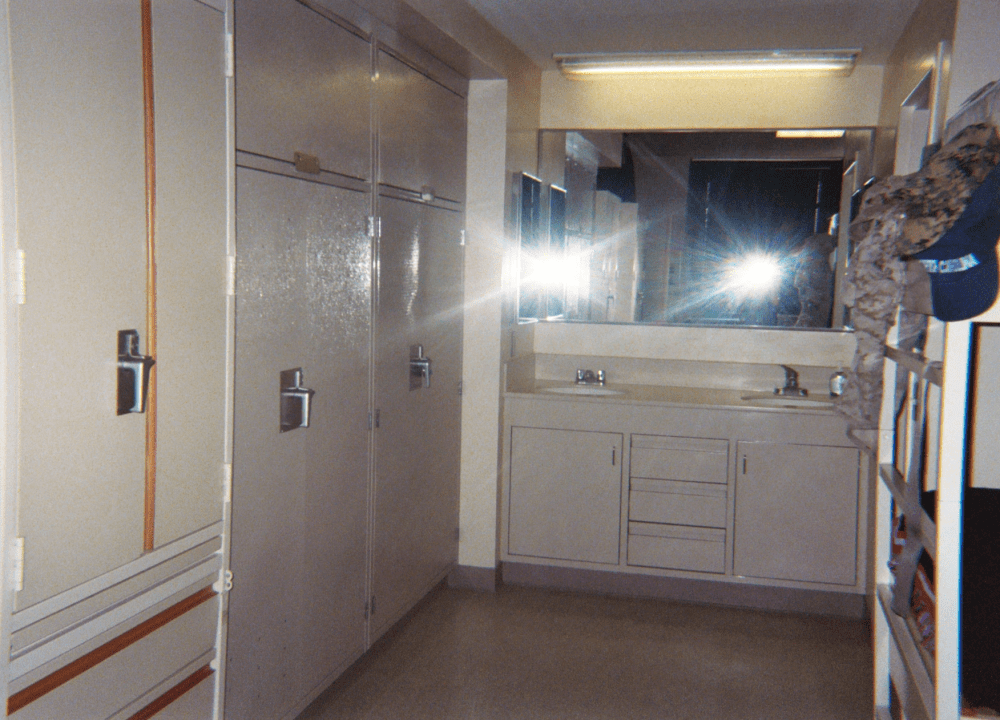
I tried not to infringe on the privacy of my peers, so these are the few photos inside our barracks (Camp Blue Diamond).
IMG_8496
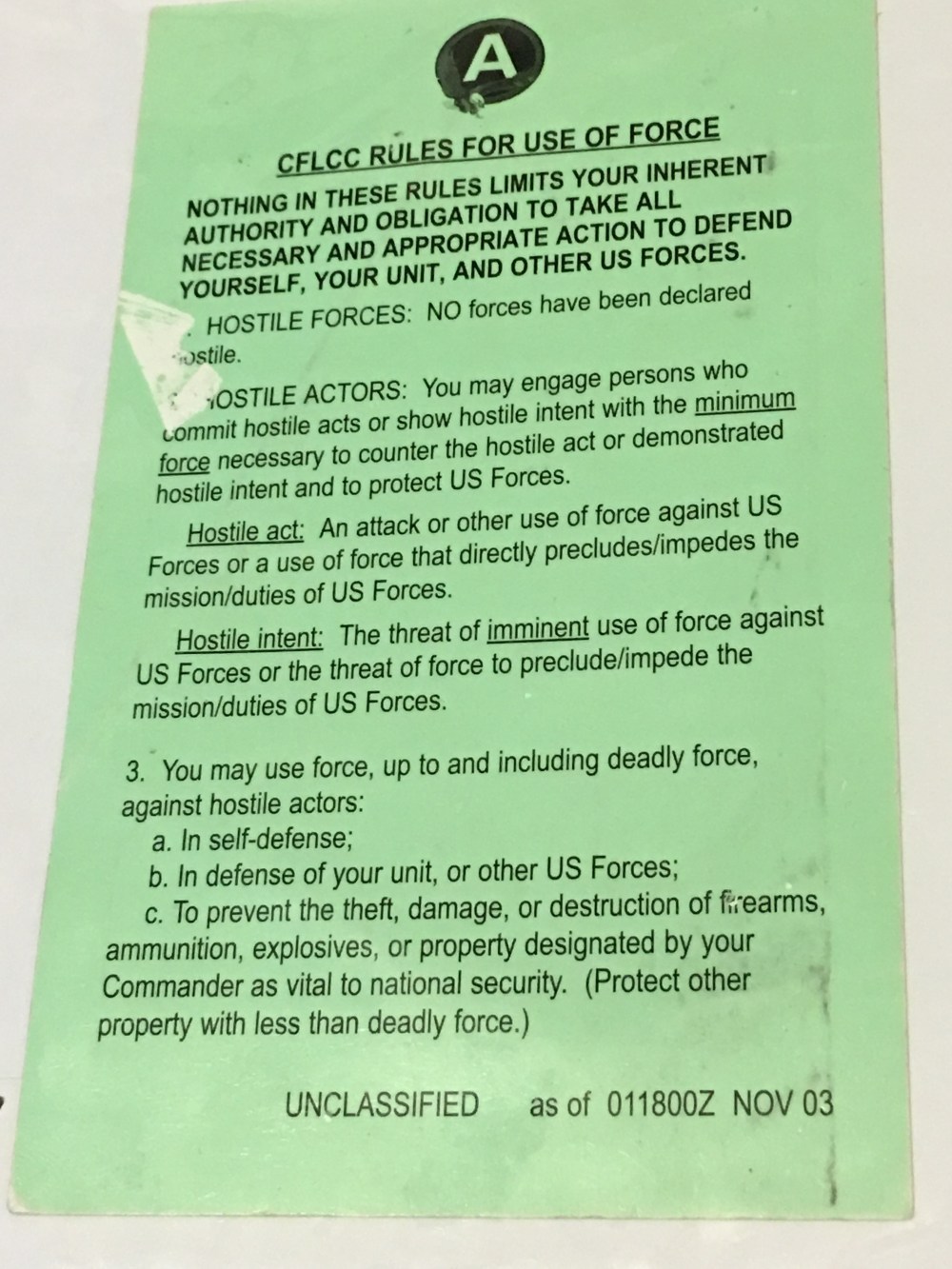
Rules of engagement…in case you were interested.

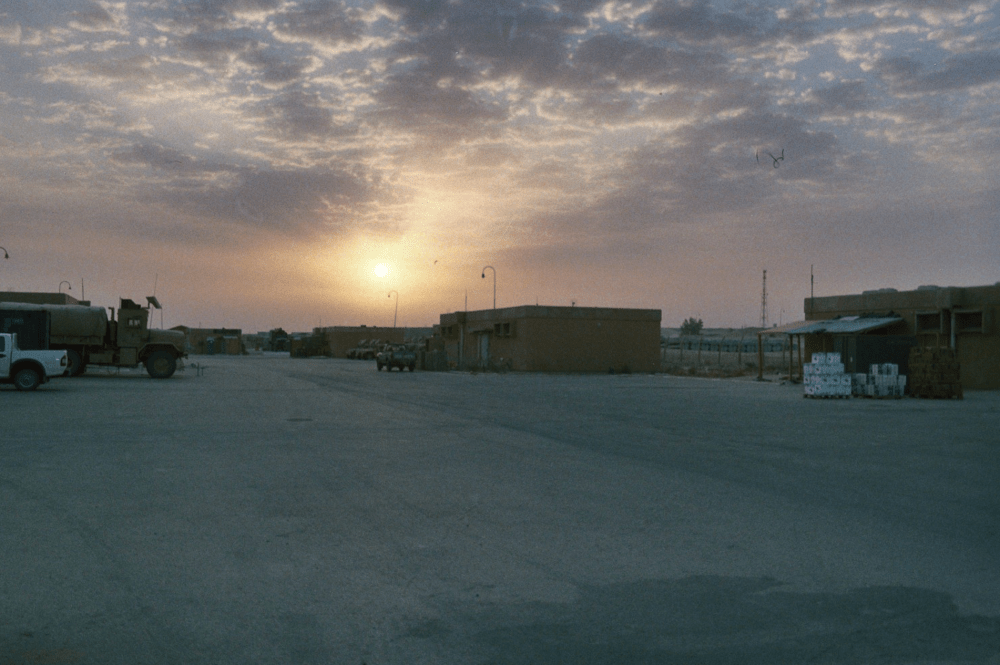
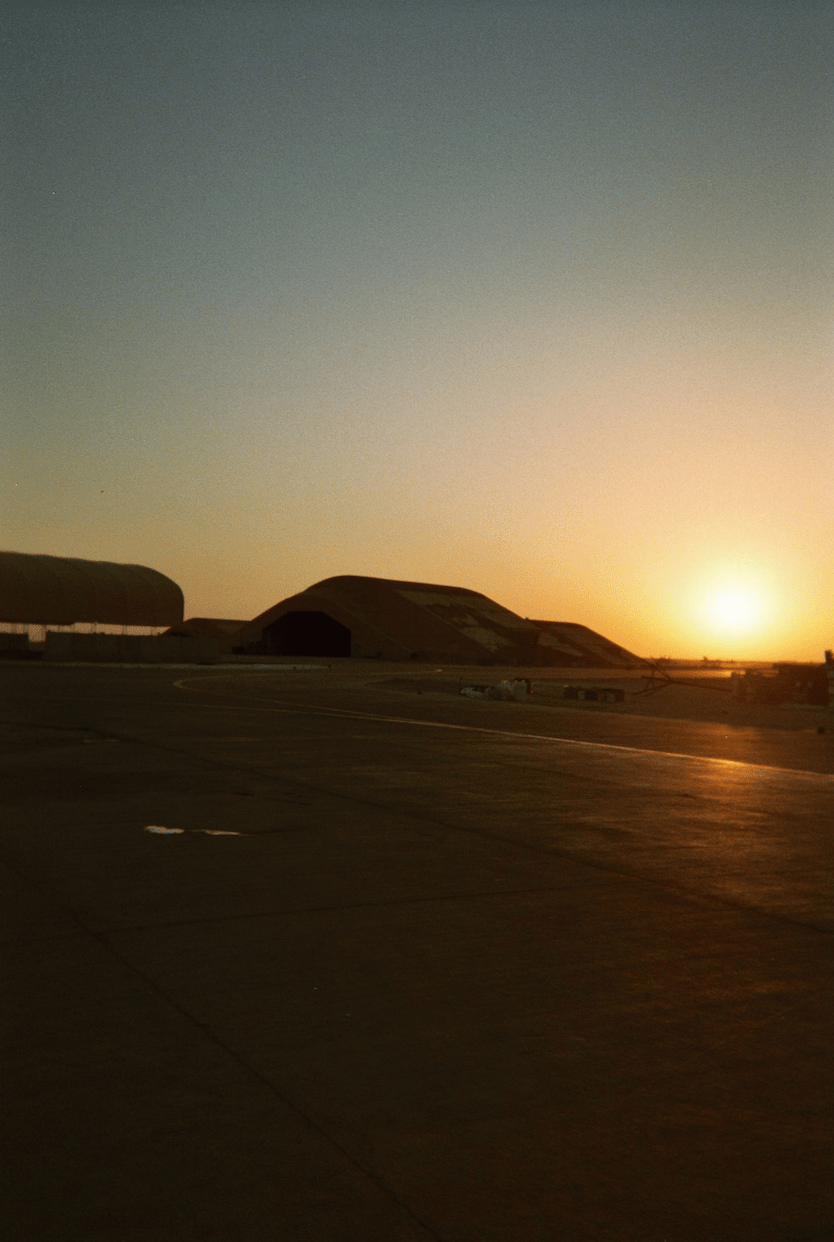
I do regret not taking more photos because there is so much to learn from those experiences.  Camp Al Asad was essentially a small city unto itself (and likely, retains some of those features).  We had a Subway, coffee shop, Pizza Hut, and Burger King, a barber shop, and many trinket shops, just on our side of the base alone.  I was too nervous to travel the rest of the base by myself.  Instead, I spent much of my second deployment walking to the internet cafe set up in the operations center.  My (mostly) solitary walks provided me the opportunity to appreciate the natural beauty that is Iraq, with its limited infrastructure.  Sunrises and sunsets are incredible.

Screen Shot 2016-01-30 at 9.18.42 AM

Screen Shot 2016-01-30 at 9.27.13 AM

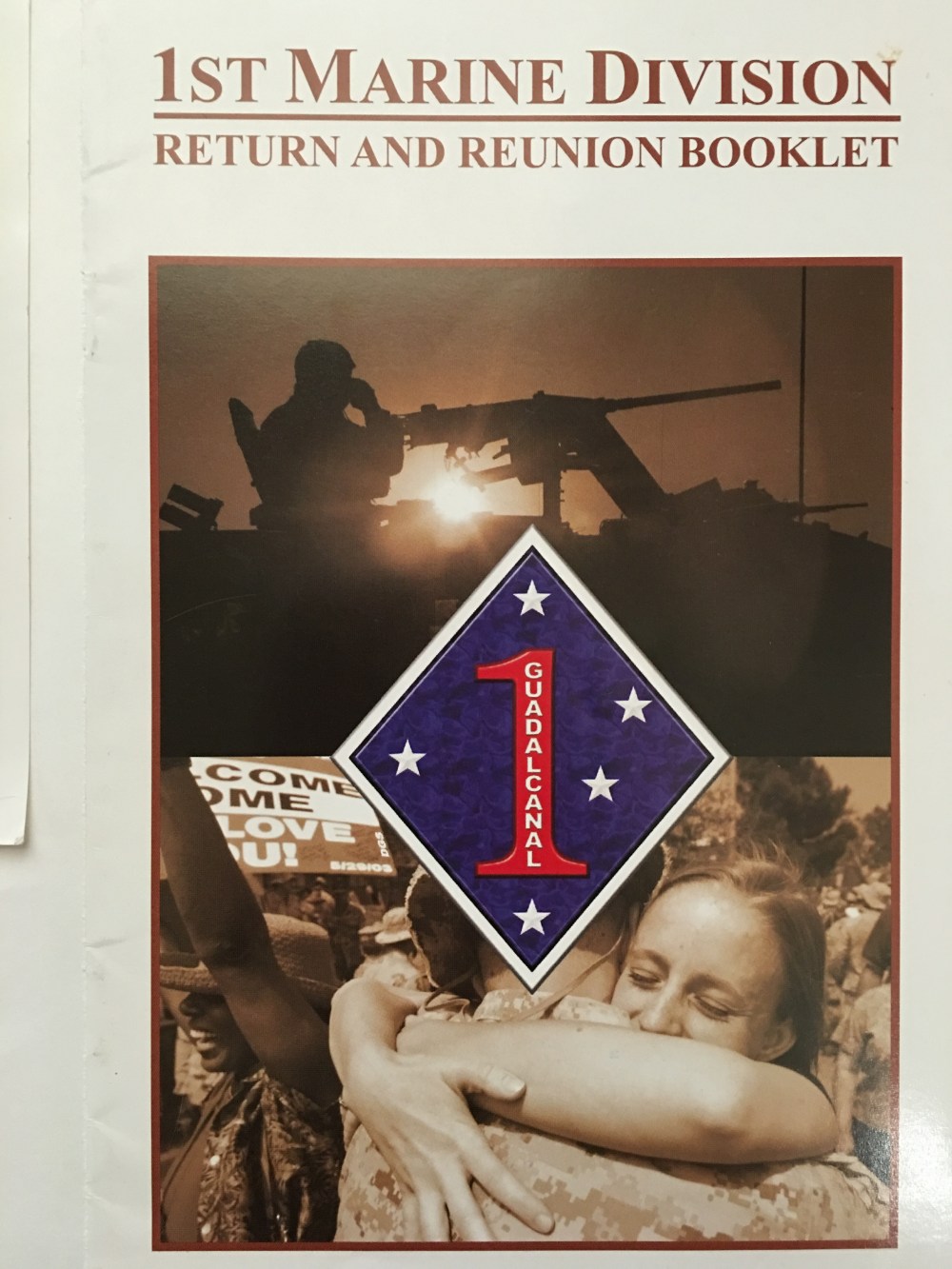
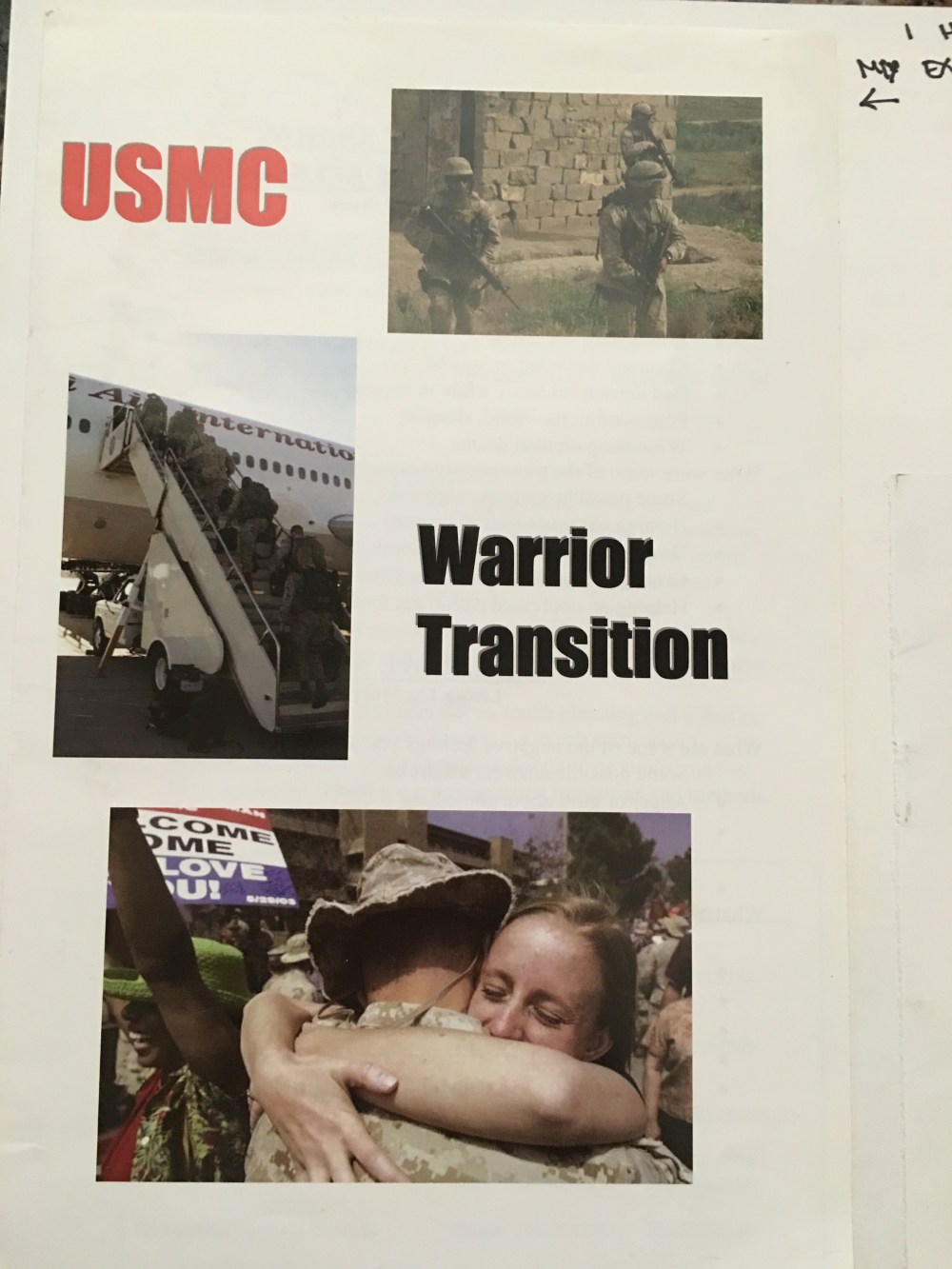
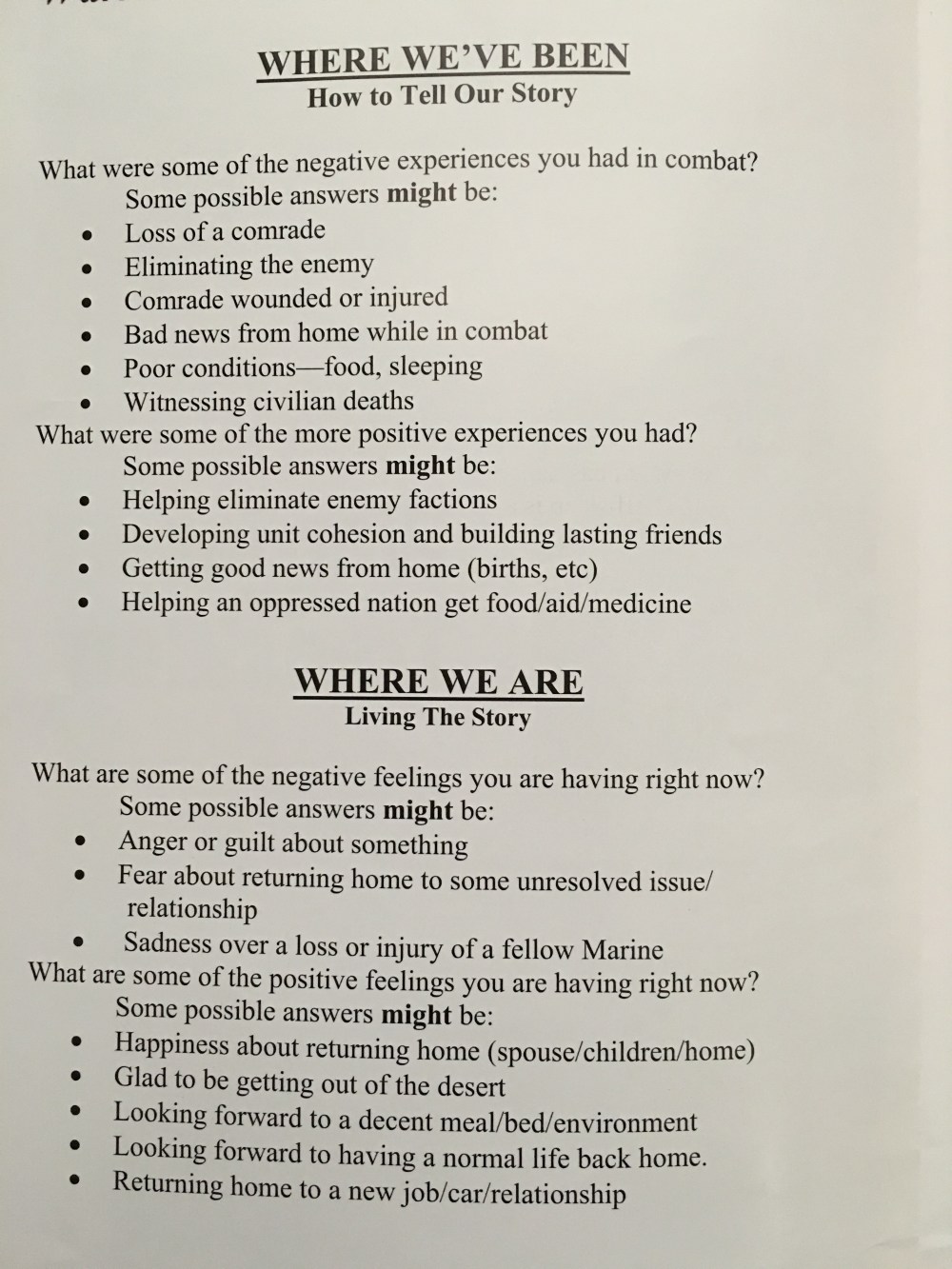
However, as important as it is to discuss our visual representations at war, we must equally discuss coming home.  Below are some brief snapshots to show how transition is discussed (as of 2005).

IMG_8494IMG_8491IMG_8492IMG_8495

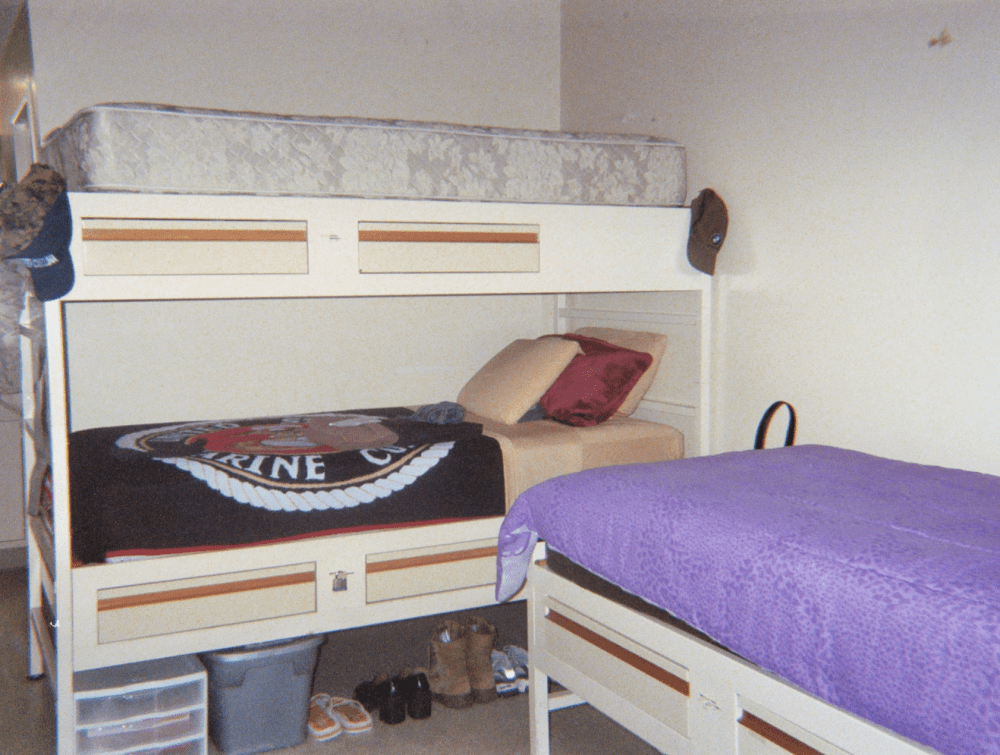
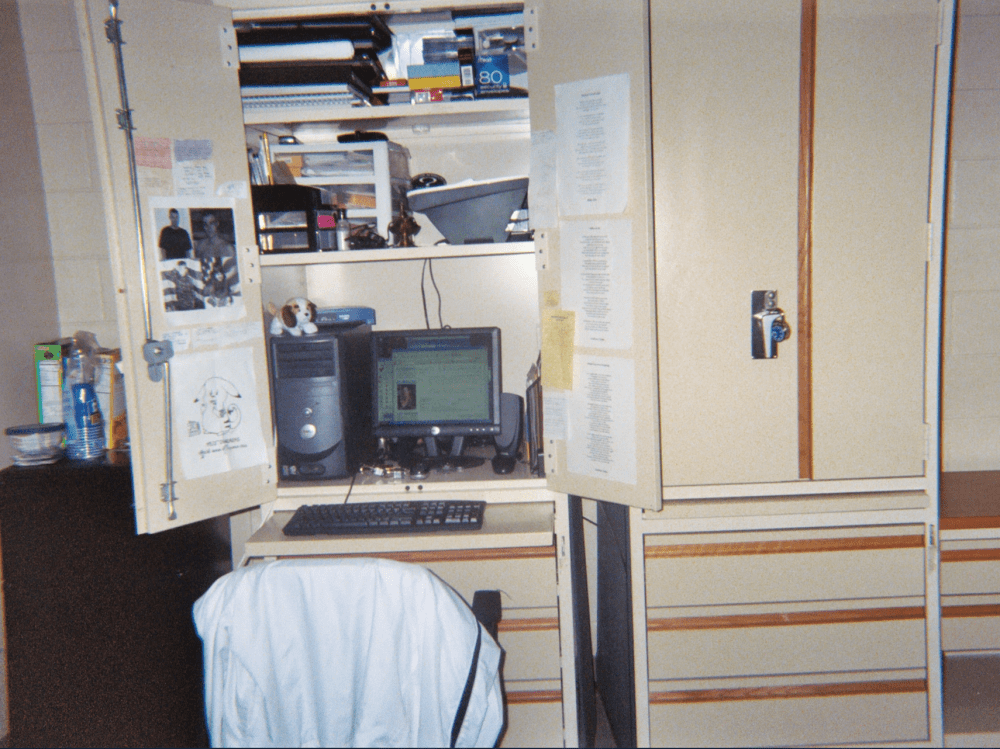
Additionally, please enjoy a small peek at what my barracks life looked like in early 2005.  It was a pretty spartan existence compared to the 1,400 sq. foot home I occupy with nearly 10 years’ worth of furniture, artwork, scrapbooks, etc. that make up my current life. I lived in one of the barracks on the Camp Margarita area of Camp Pendleton near the Subway.

Screen Shot 2016-01-30 at 9.30.34 AM
The Marine Corps blanket covers my bed.  It was given to me by a former substitute teacher, who served previously as a Marine officer.
Screen Shot 2016-01-30 at 9.30.03 AM
With some of my first deployment earnings, I purchased my first desktop computer.
Screen Shot 2016-01-30 at 9.30.22 AM
Ah, the spartan life.


What It Means to Share My Story

10 years ago I found myself in a combat zone, my choice.  Being the only female on my team was not my choice but that reality reflects the demographic nature of the Marine Corps; according to the Women Marines Association, women made up 7.11% of the Marine Corps in 2012.  Several significant and tragic, while not all, milestones regarding female Marines are available here for viewing.

My position at ASU brought me back to veteran issues and confronting my two tours in Iraq.  An opportunity to meet Professor Mark Von Hagen, who is now the Director of the Office of Veteran and Military Academic Engagement, gave me the opportunity to share my story in a way that felt safe and nonjudgmental; although he was teaching a class “Oral History: America’s Most Recent Wars”, I was more comfortable sharing with him the three years’ worth of journal entries chronicling my Marine Corps experience.